
Comparing Molded Graphite with Other Carbon Materials: A Comprehensive Analysis
Jun 04,2026
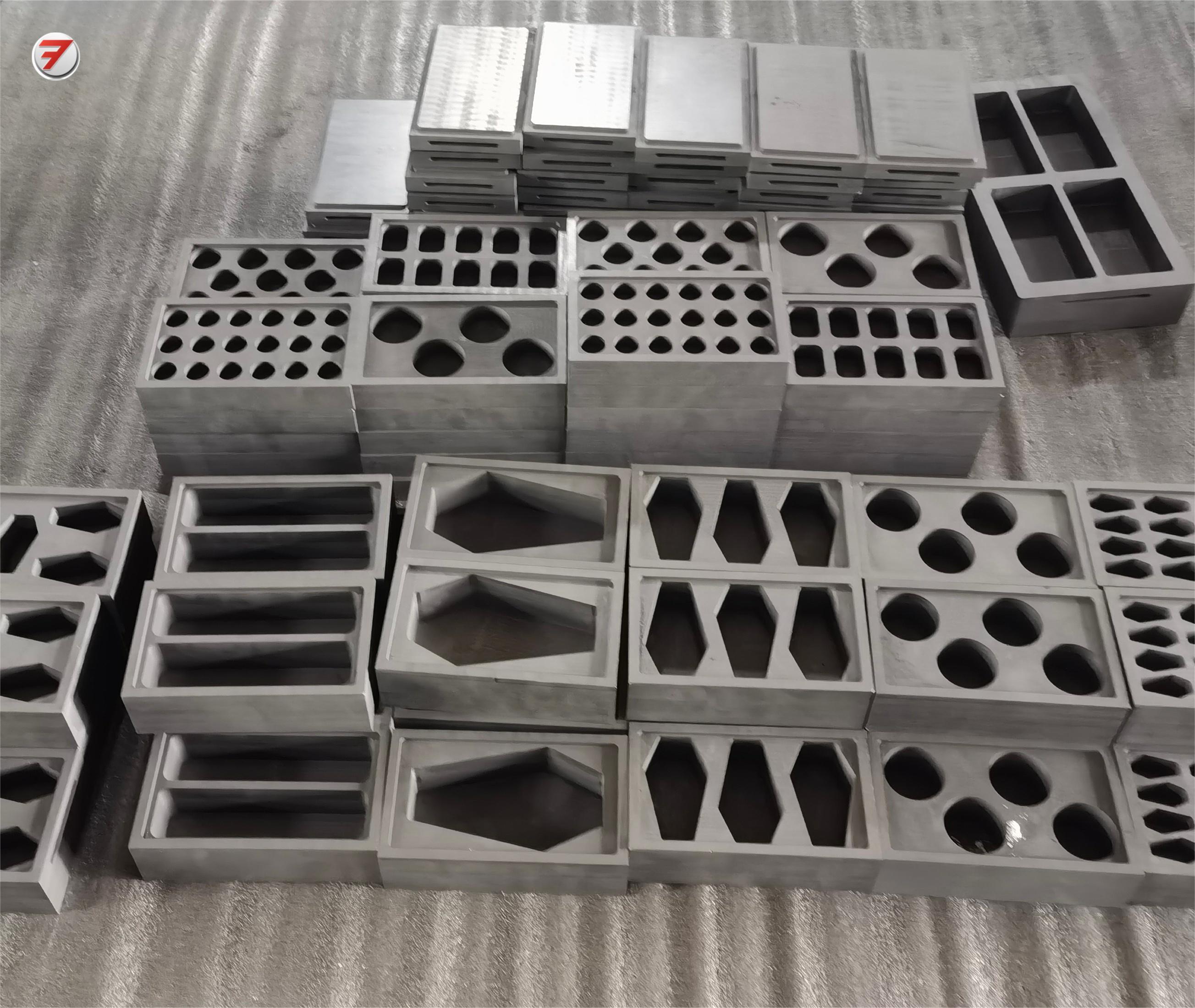
Comparing Molded Graphite with Other Carbon Materials: A Comprehensive Analysis
Table of Contents
- 1. Introduction to Carbon Materials
- 2. Understanding Molded Graphite
- 3. Overview of Other Carbon Materials
- 4. Key Comparison Criteria
- 5. Applications of Molded Graphite vs. Other Carbon Materials
- 6. Advantages and Disadvantages
- 7. Future Trends in Carbon Materials
- 8. Conclusion
- 9. FAQs
1. Introduction to Carbon Materials
In the realm of material science, **carbon materials** play a pivotal role due to their unique properties and versatility. From the strength of diamond to the conductivity of graphite, carbon exhibits a wide range of characteristics that have made it essential in various industries. Among these materials, **molded graphite** stands out as a significant player. In this article, we will conduct an in-depth comparison of molded graphite with other carbon materials, helping you understand their unique properties and applications.
2. Understanding Molded Graphite
Molded graphite, also known as **isostatic graphite**, is produced by applying high pressure to a carbonaceous material, resulting in a dense and homogenous structure. This process not only enhances its mechanical strength but also improves its thermal and electrical conductivity. Molded graphite is commonly used in industries such as **electrical engineering**, **metallurgy**, and **nuclear technology** due to its excellent performance in high-temperature environments.
2.1 Properties of Molded Graphite
The properties that make molded graphite unique include:
- **High thermal conductivity**: Ideal for heat dissipation applications.
- **Excellent electrical conductivity**: Beneficial in electronics and electrical applications.
- **Good mechanical properties**: Offers strength and rigidity, making it suitable for structural applications.
- **Corrosion resistance**: Performs well in hostile environments, including chemical processing.
3. Overview of Other Carbon Materials
While molded graphite is notable, there are several other carbon materials worth mentioning, including:
3.1 Amorphous Carbon
Amorphous carbon lacks a crystalline structure, resulting in unique properties such as:
- **Versatility**: Used in inks, coatings, and batteries.
- **Variable density**: Can be tailored for specific applications.
3.2 Graphene
Graphene, a single layer of carbon atoms arranged in a two-dimensional lattice, is renowned for its:
- **Exceptional strength-to-weight ratio**: Stronger than steel yet incredibly lightweight.
- **High electrical conductivity**: Suitable for advanced electronic applications.
3.3 Carbon Fiber
Carbon fiber is composed of thin strands of carbon atoms, known for:
- **High tensile strength**: Used in aerospace, automotive, and sports equipment.
- **Lightweight properties**: Offers significant weight savings compared to traditional materials.
4. Key Comparison Criteria
When comparing molded graphite with other carbon materials, we must consider several key factors:
- **Mechanical Properties**: Strength, durability, and resistance to deformation.
- **Thermal Conductivity**: Efficiency in conducting heat.
- **Electrical Conductivity**: Effectiveness in conducting electricity.
- **Corrosion Resistance**: Ability to withstand aggressive environments.
- **Cost-Effectiveness**: Material costs and long-term economic impact.
5. Applications of Molded Graphite vs. Other Carbon Materials
The application of these materials varies significantly depending on their properties.
5.1 Applications of Molded Graphite
Molded graphite is widely used in:
- **Electrodes**: In electric arc furnaces, allowing for melting and refining metals.
- **Nuclear reactors**: Serving as a moderator due to its neutron absorption qualities.
- **High-temperature applications**: Such as furnace linings and heat sinks.
5.2 Applications of Other Carbon Materials
Other carbon materials have distinct applications:
- **Amorphous Carbon**: Used in the production of carbon black for tires and coatings.
- **Graphene**: Emerging applications in flexible electronics, sensors, and energy storage.
- **Carbon Fiber**: Utilized in aerospace, automotive industries, and high-performance sports equipment.
6. Advantages and Disadvantages
Understanding the pros and cons of molded graphite compared to other carbon materials is essential for informed decision-making.
6.1 Advantages of Molded Graphite
- **High Thermal and Electrical Conductivity**: Suitable for various applications.
- **Exceptional Mechanical Strength**: Ideal for structural components.
- **Corrosion Resistance**: Long-lasting performance in harsh conditions.
6.2 Disadvantages of Molded Graphite
- **Higher Cost**: The manufacturing process can be expensive.
- **Brittleness**: May fracture under significant stress.
6.3 Advantages of Other Carbon Materials
- **Versatility**: Many forms and applications, particularly with graphene and carbon fibers.
- **Lightweight**: Especially in carbon fiber, which aids in weight-sensitive applications.
6.4 Disadvantages of Other Carbon Materials
- **Limited High-Temperature Performance**: Compared to molded graphite.
- **Higher Production Costs**: For advanced materials like graphene, which limits widespread adoption.
7. Future Trends in Carbon Materials
The landscape of carbon materials is continually evolving. Key trends include:
- **Sustainable manufacturing**: Eco-friendly production methods are gaining traction.
- **Innovative composites**: Combining carbon materials with other elements for enhanced performance.
- **Growing demand for high-performance materials**: In industries such as aerospace and electronics.
8. Conclusion
In conclusion, molded graphite holds a unique position within the spectrum of carbon materials, offering exceptional properties that cater to specific applications. While alternatives like amorphous carbon, graphene, and carbon fiber present their own advantages, molded graphite remains a preferred choice in high-temperature and high-stress environments. Understanding the differences and applications of these materials enables industries to make informed decisions, optimizing their material selection for greater performance and efficiency.
9. FAQs
1. What is molded graphite mainly used for?
Molded graphite is primarily used in applications requiring high thermal and electrical conductivity, such as electrodes in electric furnaces and components in nuclear reactors.
2. How does molded graphite compare to carbon fiber?
Molded graphite offers superior thermal and electrical conductivity, while carbon fiber is lighter and stronger, making it suitable for aerospace and automotive applications.
3. Is graphene more expensive than molded graphite?
Yes, graphene production is typically more expensive, which can limit its application compared to molded graphite.
4. What are the benefits of using carbon materials in industry?
Carbon materials provide high strength, thermal and electrical conductivity, and corrosion resistance, making them ideal for a variety of industrial applications.
5. How can I choose the right carbon material for my application?
Evaluate your specific requirements such as mechanical strength, thermal and electrical conductivity, cost, and environmental conditions to choose the most suitable carbon material.
Contact Us
E-mail:
Phone/WhatsApp:
+86 15711363051
Address:
Xingchuang International C912, Xinya Street No.15, Daxing District, Beijing, China



Contact
TEL: +8615711363051
EMAIL: sales@topflymaterial.com
ADD: Xingchuang International C912, Xinya Street No.15, Daxing District, Beijing, China