
Understanding Isostatic Graphite: Properties, Applications, and Benefits
Jun 03,2026
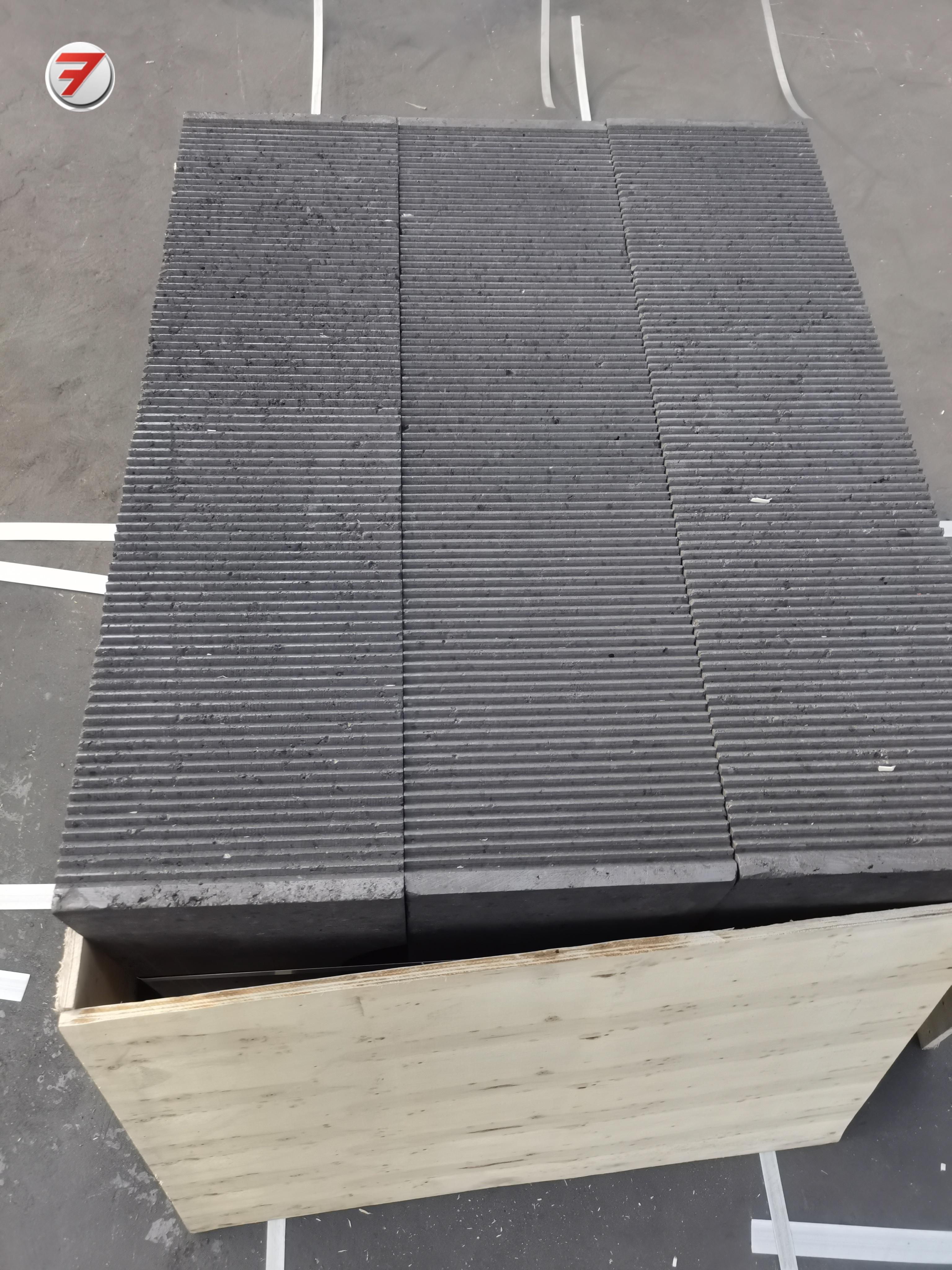
Isostatic graphite, also referred to as iso-graphite, is produced through a unique process involving isostatic pressing, which ensures uniform density and exceptional consistency throughout the material. This method primarily employs a mixture of natural or synthetic graphite powder, combined with a binding agent, which is then subjected to high pressure in a mold. The result is a material that exhibits superior mechanical, thermal, and electrical properties, making it suitable for demanding applications.
One of the key properties of isostatic graphite is its high thermal conductivity. This attribute is particularly beneficial in industries where efficient heat dissipation is crucial, such as in electrical discharge machining (EDM) and various high-temperature applications. Additionally, isostatic graphite demonstrates excellent resistance to thermal shock, which allows it to maintain its structural integrity even when subjected to rapid temperature fluctuations.
Moreover, isostatic graphite has a low coefficient of thermal expansion. This characteristic is vital for applications requiring precise dimensional stability, such as in the manufacturing of molds and dies. The dimensional accuracy and stability of isostatic graphite contribute to its widespread use in sectors that demand high precision.
The electrical conductivity of isostatic graphite is another significant advantage. This makes it an ideal choice for applications in the electronics industry, where materials are required to effectively conduct electricity while also being heat-resistant. Additionally, its high chemical stability ensures that isostatic graphite can withstand harsh environments without degrading, further extending its usability.
In the context of metallurgy and energy, isostatic graphite plays a crucial role in the production of electrodes for electric arc furnaces and other high-temperature equipment. Its ability to withstand extreme conditions while providing consistent performance makes it a preferred material in these applications.
Furthermore, the versatility of isostatic graphite extends to the production of various components in the aerospace and automotive industries. For instance, it can be utilized in the fabrication of lightweight yet durable parts that enhance performance and efficiency.
In summary, isostatic graphite is a vital material in the metallurgy, non-metallic mineral products, and carbon-based products industries. Its unique properties, including high thermal conductivity, low thermal expansion, excellent electrical conductivity, and remarkable chemical stability, make it an essential choice for various applications. Understanding these characteristics can help professionals leverage isostatic graphite effectively in their operations, leading to improved performance and innovation in product development.
One of the key properties of isostatic graphite is its high thermal conductivity. This attribute is particularly beneficial in industries where efficient heat dissipation is crucial, such as in electrical discharge machining (EDM) and various high-temperature applications. Additionally, isostatic graphite demonstrates excellent resistance to thermal shock, which allows it to maintain its structural integrity even when subjected to rapid temperature fluctuations.
Moreover, isostatic graphite has a low coefficient of thermal expansion. This characteristic is vital for applications requiring precise dimensional stability, such as in the manufacturing of molds and dies. The dimensional accuracy and stability of isostatic graphite contribute to its widespread use in sectors that demand high precision.
The electrical conductivity of isostatic graphite is another significant advantage. This makes it an ideal choice for applications in the electronics industry, where materials are required to effectively conduct electricity while also being heat-resistant. Additionally, its high chemical stability ensures that isostatic graphite can withstand harsh environments without degrading, further extending its usability.
In the context of metallurgy and energy, isostatic graphite plays a crucial role in the production of electrodes for electric arc furnaces and other high-temperature equipment. Its ability to withstand extreme conditions while providing consistent performance makes it a preferred material in these applications.
Furthermore, the versatility of isostatic graphite extends to the production of various components in the aerospace and automotive industries. For instance, it can be utilized in the fabrication of lightweight yet durable parts that enhance performance and efficiency.
In summary, isostatic graphite is a vital material in the metallurgy, non-metallic mineral products, and carbon-based products industries. Its unique properties, including high thermal conductivity, low thermal expansion, excellent electrical conductivity, and remarkable chemical stability, make it an essential choice for various applications. Understanding these characteristics can help professionals leverage isostatic graphite effectively in their operations, leading to improved performance and innovation in product development.
Contact Us
E-mail:
Phone/WhatsApp:
+86 15711363051
Address:
Xingchuang International C912, Xinya Street No.15, Daxing District, Beijing, China



Contact
TEL: +8615711363051
EMAIL: sales@topflymaterial.com
ADD: Xingchuang International C912, Xinya Street No.15, Daxing District, Beijing, China