
The Versatile Applications of Graphite Blocks in Metallurgy and Energy Industries
Jun 05,2026
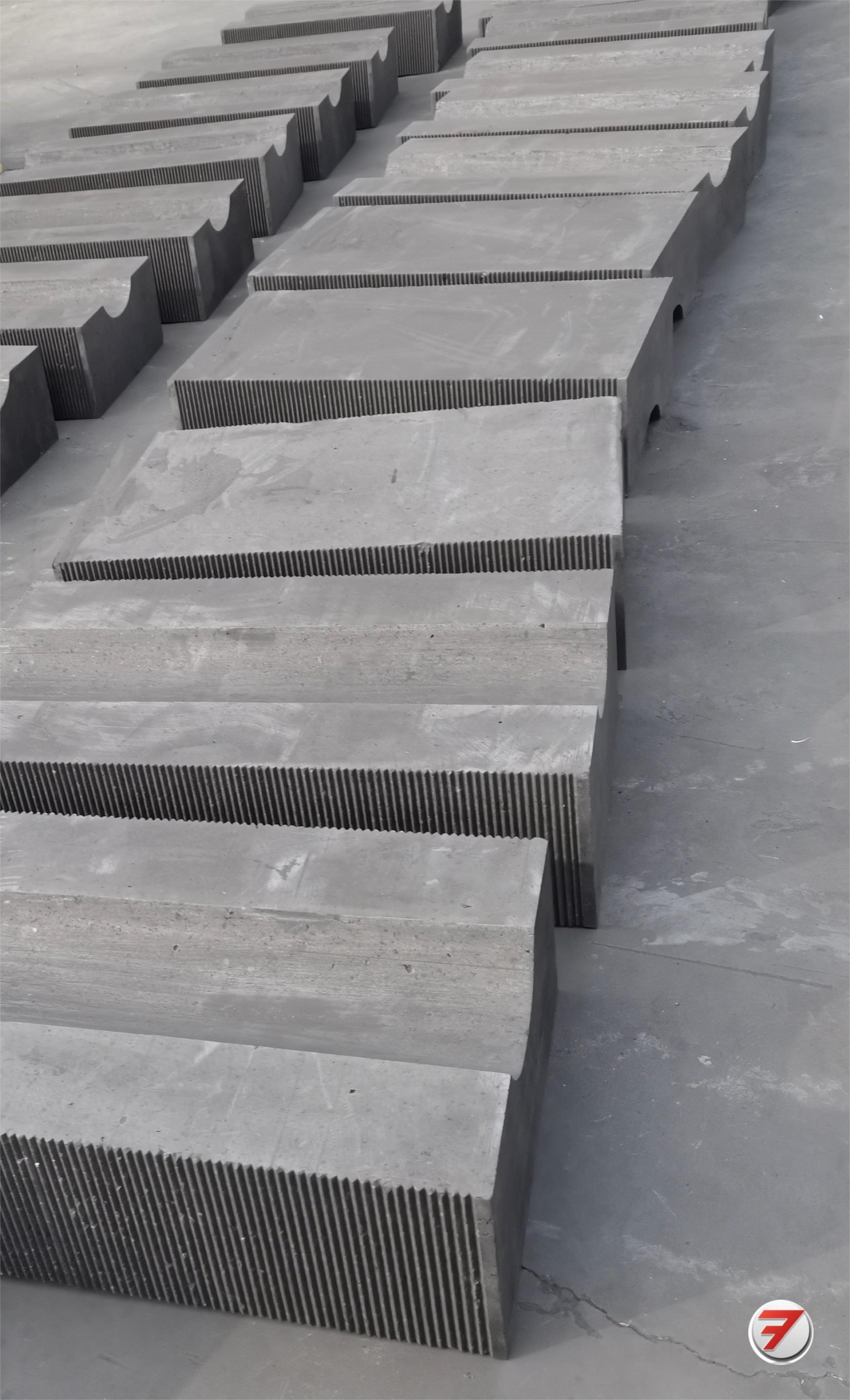
Graphite blocks are an indispensable component in the metallurgy and energy industries, particularly in non-metallic mineral sectors. Known for their unique properties, such as high thermal conductivity, chemical resistance, and low friction, they have become essential for a multitude of applications.
One of the primary uses of graphite blocks is in the production of electrodes, particularly for electric arc furnaces. The high thermal and electrical conductivity of graphite makes it ideal for generating the intense heat required to melt metals. Additionally, the material's ability to withstand extreme temperatures without degrading ensures that it can maintain performance efficiency, reducing the need for frequent replacements and maintenance.
Furthermore, graphite blocks are employed in the manufacturing of crucibles and molds used for casting metals. Their excellent thermal shock resistance allows them to handle rapid temperature changes without cracking, making them a preferred choice for high-temperature applications. This characteristic is particularly beneficial in industries where precision and durability are paramount.
Another significant advantage of graphite blocks is their lubricating properties. In instances where machinery or equipment requires lubrication but cannot utilize traditional oils, graphite blocks serve as a solid lubricant. They reduce friction between moving parts, leading to improved operational efficiency and extended equipment lifespan. This application is especially critical in high-load or high-speed environments where conventional lubricants may break down.
In addition to their mechanical advantages, graphite blocks also play a vital role in energy generation and storage. They are increasingly being used in the production of batteries, particularly in lithium-ion technologies. The incorporation of graphite enhances the performance of these batteries, leading to higher energy density and improved charge rates. As the demand for sustainable energy solutions grows, the role of graphite blocks in energy storage systems continues to expand.
The manufacturing of graphite blocks involves processes such as mixing, shaping, and sintering, which transform raw graphite into the desired block forms. Factors such as purity, particle size, and the presence of additives can influence the performance characteristics of the final product. Therefore, attention to detail during production is crucial in ensuring the blocks meet the specific requirements of diverse applications.
In conclusion, graphite blocks are a foundational element in the metallurgy and energy industries. Their unique properties not only facilitate efficient metal production but also enhance the longevity and performance of equipment across various applications. As industries continue to evolve, the versatility and functionality of graphite blocks will undoubtedly remain central to advancements in technology and manufacturing processes.
One of the primary uses of graphite blocks is in the production of electrodes, particularly for electric arc furnaces. The high thermal and electrical conductivity of graphite makes it ideal for generating the intense heat required to melt metals. Additionally, the material's ability to withstand extreme temperatures without degrading ensures that it can maintain performance efficiency, reducing the need for frequent replacements and maintenance.
Furthermore, graphite blocks are employed in the manufacturing of crucibles and molds used for casting metals. Their excellent thermal shock resistance allows them to handle rapid temperature changes without cracking, making them a preferred choice for high-temperature applications. This characteristic is particularly beneficial in industries where precision and durability are paramount.
Another significant advantage of graphite blocks is their lubricating properties. In instances where machinery or equipment requires lubrication but cannot utilize traditional oils, graphite blocks serve as a solid lubricant. They reduce friction between moving parts, leading to improved operational efficiency and extended equipment lifespan. This application is especially critical in high-load or high-speed environments where conventional lubricants may break down.
In addition to their mechanical advantages, graphite blocks also play a vital role in energy generation and storage. They are increasingly being used in the production of batteries, particularly in lithium-ion technologies. The incorporation of graphite enhances the performance of these batteries, leading to higher energy density and improved charge rates. As the demand for sustainable energy solutions grows, the role of graphite blocks in energy storage systems continues to expand.
The manufacturing of graphite blocks involves processes such as mixing, shaping, and sintering, which transform raw graphite into the desired block forms. Factors such as purity, particle size, and the presence of additives can influence the performance characteristics of the final product. Therefore, attention to detail during production is crucial in ensuring the blocks meet the specific requirements of diverse applications.
In conclusion, graphite blocks are a foundational element in the metallurgy and energy industries. Their unique properties not only facilitate efficient metal production but also enhance the longevity and performance of equipment across various applications. As industries continue to evolve, the versatility and functionality of graphite blocks will undoubtedly remain central to advancements in technology and manufacturing processes.
PREVIOUS:
Contact Us
E-mail:
Phone/WhatsApp:
+86 15711363051
Address:
Xingchuang International C912, Xinya Street No.15, Daxing District, Beijing, China



Contact
TEL: +8615711363051
EMAIL: sales@topflymaterial.com
ADD: Xingchuang International C912, Xinya Street No.15, Daxing District, Beijing, China