
The Impact of Graphite Boat Quality on Metallurgical Processes: Unlocking Efficiency and Precision
Jun 06,2026
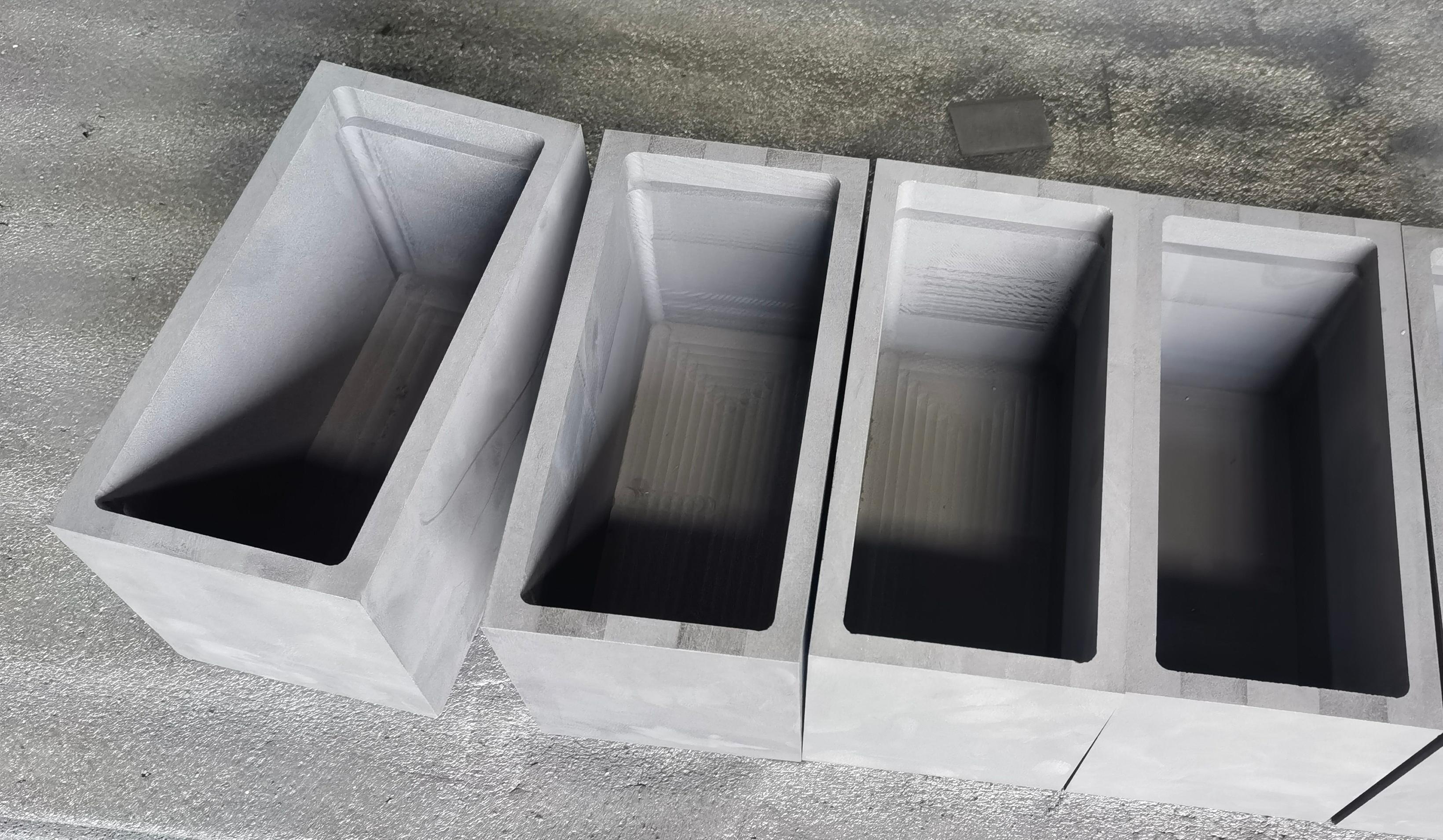
The Impact of Graphite Boat Quality on Metallurgical Processes
Table of Contents
- 1. Introduction to Graphite Boats in Metallurgical Processes
- 2. Key Properties of Graphite Relevant to Metallurgy
- 3. Importance of Graphite Boat Quality in Metallurgical Applications
- 4. Influence of Graphite Boat Quality on Production Efficiency
- 5. Quality Assurance: Standards and Testing for Graphite Boats
- 6. Challenges Faced in Choosing Quality Graphite Boats
- 7. Case Studies: Successful Applications of High-Quality Graphite Boats
- 8. Future Trends in Graphite Boat Manufacturing and Use
- 9. Frequently Asked Questions
- 10. Conclusion: The Path Forward in Metallurgical Processes
1. Introduction to Graphite Boats in Metallurgical Processes
Graphite boats are integral components in various metallurgical processes, serving as containers for molten metals and other materials during high-temperature applications. Their ability to withstand extreme conditions while maintaining structural integrity makes them indispensable in industries such as steel production, foundries, and the manufacturing of non-metallic mineral products. Understanding the impact of graphite boat quality on these processes is essential for achieving optimal results.
2. Key Properties of Graphite Relevant to Metallurgy
Graphite possesses a unique set of properties that make it particularly suited for metallurgical applications:
2.1 High Thermal Conductivity
Graphite's exceptional thermal conductivity ensures efficient heat transfer, crucial for maintaining the required temperature during metallurgical processes.
2.2 Low Coefficient of Thermal Expansion
The low thermal expansion coefficient minimizes the risk of warping or cracking under extreme temperature changes, ensuring durability and reliability.
2.3 Chemical Inertness
Graphite's chemical stability prevents reactions with molten metals, safeguarding both the material and the integrity of the final product.
2.4 Mechanical Strength
High-quality graphite boats exhibit enhanced mechanical strength, which is vital for resisting deformation under heavy loads and high-stress conditions.
3. Importance of Graphite Boat Quality in Metallurgical Applications
The quality of graphite boats significantly influences the overall efficiency and effectiveness of metallurgical processes. High-quality graphite boats provide:
3.1 Enhanced Performance
Using top-grade graphite boats leads to improved thermal management, facilitating better control over melting and casting processes.
3.2 Reduced Contamination
Quality graphite materials minimize the risk of contamination during metallurgical operations, resulting in purer end products.
3.3 Increased Lifespan
Investing in high-quality graphite boats ensures longevity, reducing the need for frequent replacements and associated downtime.
4. Influence of Graphite Boat Quality on Production Efficiency
The efficiency of metallurgical operations is closely linked to the quality of graphite boats. Several factors illustrate this connection:
4.1 Process Consistency
High-quality graphite boats contribute to process consistency by providing uniform thermal properties, leading to predictable outcomes during melting and casting.
4.2 Reduced Energy Consumption
Efficient heat management through superior graphite quality can lower energy costs, making operations more environmentally friendly and economically viable.
4.3 Improved Yield
With reduced risks of defects and failures, the use of quality graphite boats leads to higher yield rates and less material wastage.
5. Quality Assurance: Standards and Testing for Graphite Boats
Ensuring the quality of graphite boats involves rigorous testing and adherence to industry standards:
5.1 Industry Standards
Various industry standards dictate the specifications for graphite boat production, ensuring uniformity and reliability across different manufacturers.
5.2 Testing Methods
Standardized testing methods, including thermal conductivity tests, mechanical stress tests, and chemical composition analyses, play a vital role in assessing the quality of graphite boats.
6. Challenges Faced in Choosing Quality Graphite Boats
While the benefits of high-quality graphite boats are clear, several challenges arise when selecting the right products:
6.1 Supplier Variability
The market is saturated with various suppliers, each offering different quality levels, making it imperative to conduct thorough research before procurement.
6.2 Cost Considerations
Investing in quality graphite boats may entail higher upfront costs; however, it’s crucial to evaluate the long-term savings associated with durability and performance.
6.3 Technological Advancements
As the metallurgical field evolves, staying updated with the latest technological innovations in graphite production can be daunting yet necessary for maintaining competitive advantage.
7. Case Studies: Successful Applications of High-Quality Graphite Boats
Examining real-world applications provides insight into the advantages of using high-quality graphite boats in metallurgical processes:
7.1 Case Study 1: Steel Production
In a steel manufacturing facility, transitioning to high-quality graphite boats resulted in a 15% increase in production efficiency and significantly reduced operational costs.
7.2 Case Study 2: Foundry Operations
A modern foundry that adopted premium graphite boats reported a dramatic decrease in casting defects and improved product quality, leading to enhanced customer satisfaction.
7.3 Case Study 3: Non-Metallic Mineral Products
In the production of non-metallic mineral products, the use of quality graphite boats facilitated higher melting temperatures, resulting in better material properties and reduced energy consumption.
8. Future Trends in Graphite Boat Manufacturing and Use
As the metallurgical industry continues to evolve, several trends are anticipated in graphite boat manufacturing:
8.1 Advances in Material Science
Ongoing research in material science is expected to yield even higher-quality graphite composites, enhancing performance in extreme conditions.
8.2 Sustainable Production Practices
The push for sustainability will likely drive innovations in graphite boat production, focusing on eco-friendly materials and processes.
8.3 Customization and Smart Technologies
The future may see a rise in custom-designed graphite boats equipped with smart technologies for real-time monitoring of thermal properties and performance metrics.
9. Frequently Asked Questions
9.1 What are graphite boats used for in metallurgy?
Graphite boats are primarily used to contain molten metals during various metallurgical processes, providing a stable and chemically inert environment.
9.2 How does graphite quality affect production efficiency?
Higher quality graphite boats enhance heat management and reduce contamination, leading to improved consistency and yield in metallurgical operations.
9.3 What standards should I look for when purchasing graphite boats?
Look for industry standards that specify material composition, thermal conductivity, and mechanical strength to ensure high-quality graphite boats.
9.4 How can I minimize the costs associated with graphite boat replacements?
Investing in high-quality graphite boats can lead to longer lifespans and reduced maintenance costs, ultimately minimizing overall expenses.
9.5 Are there any emerging technologies in graphite boat manufacturing?
Yes, advancements in material science and smart technologies are driving innovations in graphite boat manufacturing, focusing on performance and sustainability.
10. Conclusion: The Path Forward in Metallurgical Processes
In summary, the quality of graphite boats plays a pivotal role in the efficiency and effectiveness of metallurgical processes. As industries strive for higher production standards and sustainability, investing in premium graphite products will prove essential. By understanding the impact of graphite boat quality, companies can optimize their metallurgical operations and achieve superior results. Embracing advancements in technology and adhering to stringent quality standards will ensure continued success in this vital industry.
Contact Us
E-mail:
Phone/WhatsApp:
+86 15711363051
Address:
Xingchuang International C912, Xinya Street No.15, Daxing District, Beijing, China



Contact
TEL: +8615711363051
EMAIL: sales@topflymaterial.com
ADD: Xingchuang International C912, Xinya Street No.15, Daxing District, Beijing, China