
Understanding Molded Graphite: Properties, Applications, and Benefits
Apr 16,2026
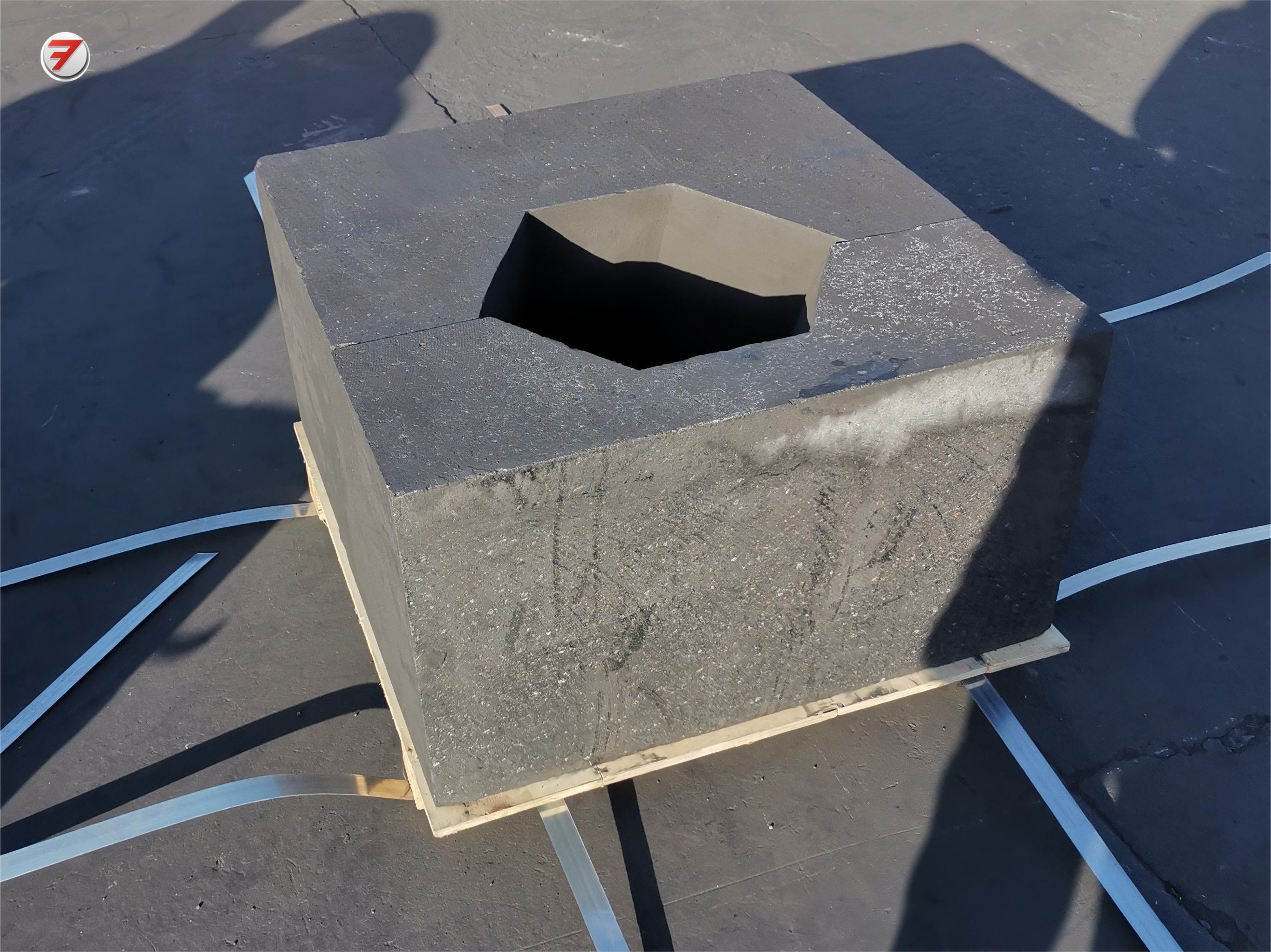
Molded graphite is a unique form of graphite that is produced by applying heat and pressure to graphite powder, resulting in a denser and more uniform material. This specific manufacturing process imparts molded graphite with distinct properties that make it suitable for various applications, particularly in the metallurgical and energy sectors.
One of the key characteristics of molded graphite is its excellent thermal conductivity. This property allows it to efficiently transfer heat, making it ideal for use in applications such as crucibles for metal melting and casting operations. The high melting point of molded graphite also ensures that it can withstand extreme temperatures without degrading, which is crucial in many industrial processes.
In addition to thermal conductivity, molded graphite exhibits remarkable electrical conductivity. This makes it an indispensable material in the production of electrodes, where efficient electrical transmission is required. The ability to withstand electrical currents while maintaining structural integrity is a significant advantage in a variety of manufacturing processes, including the production of batteries and fuel cells.
Another notable property of molded graphite is its chemical resistance. It is highly resistant to a range of corrosive substances, allowing it to perform well in harsh environments where other materials might fail. This resilience makes molded graphite a preferred choice in industries where chemical interactions can lead to material degradation, such as the chemical processing and nuclear sectors.
The versatility of molded graphite extends to its applications in the automotive and aerospace industries, where its lightweight nature and strength contribute to improved performance and fuel efficiency. Its anti-friction properties also make it an ideal candidate for components in engines and other machinery, enhancing longevity and reducing maintenance costs.
Furthermore, molded graphite is often used in the production of seals and gaskets due to its ability to form tight barriers against gases and liquids, ensuring system integrity. Its adaptability allows it to be molded into various shapes and sizes, catering to specific design requirements and enhancing its usability across different applications.
In summary, molded graphite is a highly valuable material in the metallurgical and energy sectors, offering a combination of thermal and electrical conductivity, chemical resistance, and adaptability. Understanding its properties and applications can significantly benefit professionals in these industries, driving innovation and efficiency in their operations. As the demand for advanced materials continues to grow, molded graphite's role is likely to expand, making it a crucial area of focus for industry specialists.
One of the key characteristics of molded graphite is its excellent thermal conductivity. This property allows it to efficiently transfer heat, making it ideal for use in applications such as crucibles for metal melting and casting operations. The high melting point of molded graphite also ensures that it can withstand extreme temperatures without degrading, which is crucial in many industrial processes.
In addition to thermal conductivity, molded graphite exhibits remarkable electrical conductivity. This makes it an indispensable material in the production of electrodes, where efficient electrical transmission is required. The ability to withstand electrical currents while maintaining structural integrity is a significant advantage in a variety of manufacturing processes, including the production of batteries and fuel cells.
Another notable property of molded graphite is its chemical resistance. It is highly resistant to a range of corrosive substances, allowing it to perform well in harsh environments where other materials might fail. This resilience makes molded graphite a preferred choice in industries where chemical interactions can lead to material degradation, such as the chemical processing and nuclear sectors.
The versatility of molded graphite extends to its applications in the automotive and aerospace industries, where its lightweight nature and strength contribute to improved performance and fuel efficiency. Its anti-friction properties also make it an ideal candidate for components in engines and other machinery, enhancing longevity and reducing maintenance costs.
Furthermore, molded graphite is often used in the production of seals and gaskets due to its ability to form tight barriers against gases and liquids, ensuring system integrity. Its adaptability allows it to be molded into various shapes and sizes, catering to specific design requirements and enhancing its usability across different applications.
In summary, molded graphite is a highly valuable material in the metallurgical and energy sectors, offering a combination of thermal and electrical conductivity, chemical resistance, and adaptability. Understanding its properties and applications can significantly benefit professionals in these industries, driving innovation and efficiency in their operations. As the demand for advanced materials continues to grow, molded graphite's role is likely to expand, making it a crucial area of focus for industry specialists.
Contact Us
E-mail:
Phone/WhatsApp:
+86 15711363051
Address:
Xingchuang International C912, Xinya Street No.15, Daxing District, Beijing, China



Contact
TEL: +8615711363051
EMAIL: sales@topflymaterial.com
ADD: Xingchuang International C912, Xinya Street No.15, Daxing District, Beijing, China