
A Comprehensive Guide to the Manufacturing Process of Isostatic Graphite
Apr 15,2026
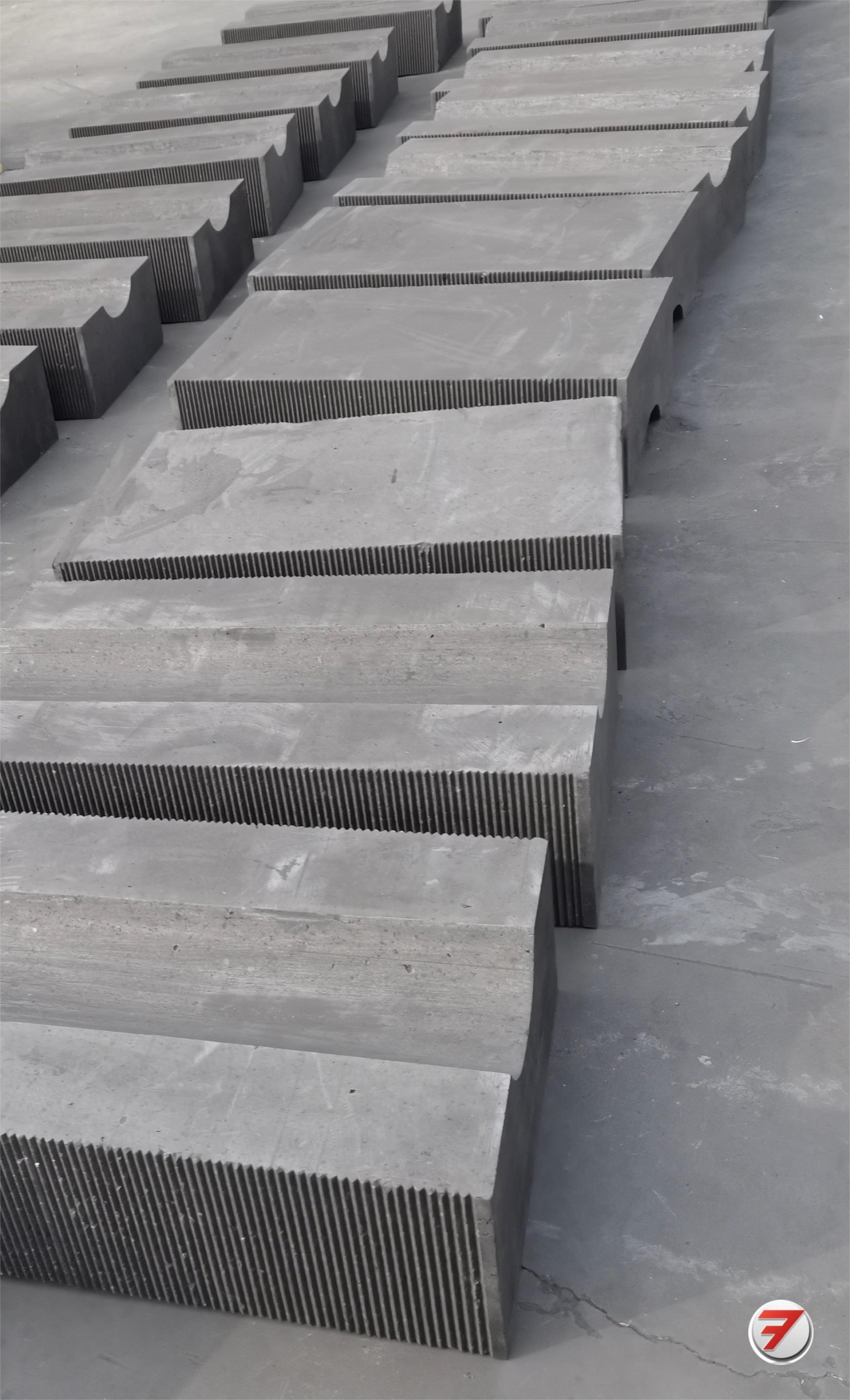
A Comprehensive Guide to the Manufacturing Process of Isostatic Graphite
Isostatic graphite has emerged as a pivotal material in numerous industries, ranging from aerospace to electronics. Its unique properties, including high thermal conductivity, low thermal expansion, and exceptional mechanical strength, make it an ideal choice for various applications. In this article, we will take an in-depth look at the manufacturing process of isostatic graphite, breaking down each stage to provide a clear understanding of how this remarkable material is produced.
Table of Contents
- What is Isostatic Graphite?
- Importance of Isostatic Graphite in Various Industries
- Raw Materials Used in the Production of Isostatic Graphite
- The Manufacturing Process of Isostatic Graphite
- Quality Control in Isostatic Graphite Manufacturing
- Applications of Isostatic Graphite
- Future Trends and Innovations in Isostatic Graphite Manufacturing
- Frequently Asked Questions
- Conclusion
What is Isostatic Graphite?
Isostatic graphite is a form of graphite that is produced through an innovative manufacturing process known as isostatic pressing. Unlike conventional graphite, which is produced by aligning the graphite flakes in a specific orientation, isostatic graphite achieves uniform density and mechanical properties by applying pressure uniformly from all directions. This results in a material that possesses superior performance characteristics, making it suitable for demanding applications.
Importance of Isostatic Graphite in Various Industries
The significance of isostatic graphite cannot be overstated. Its unique properties make it invaluable in several sectors. In the aerospace industry, isostatic graphite is used for components that require high-temperature resistance and structural stability. In the semiconductor industry, it plays a crucial role in the production of components where thermal conductivity is paramount. Additionally, isostatic graphite is widely used in the manufacture of electrodes for electric arc furnaces, where its high strength and resistance to thermal shock are essential.
Raw Materials Used in the Production of Isostatic Graphite
The manufacturing process of isostatic graphite begins with the selection of high-quality raw materials. The primary ingredient is petroleum coke, a carbon-rich material derived from crude oil. Other materials may include:
- **Coal Tar Pitch**: Acts as a binder that helps hold the structure together.
- **Graphite Powder**: Enhances the electrical conductivity and thermal properties.
- **Additives**: Various additives may be included to achieve specific properties, such as increased strength or improved thermal conductivity.
The quality of these raw materials directly influences the final properties of the isostatic graphite produced.
The Manufacturing Process of Isostatic Graphite
The manufacturing process of isostatic graphite consists of several critical steps that must be executed with precision to produce a high-quality end product.
Mixing and Molding
The first step involves mixing the raw materials, including petroleum coke, coal tar pitch, and any additives. This mixture is then subjected to heat, causing the pitch to soften and bind the carbon particles together. Once the mixture reaches a homogenous state, it is molded into the desired shape, typically in the form of blocks.
Isostatic Pressing
After molding, the blocks undergo the isostatic pressing process. This critical step involves placing the molded blocks into a high-pressure chamber filled with a fluid, usually water or oil. Pressure is applied uniformly from all directions, allowing the graphite to densify without the formation of internal stresses. The pressure typically ranges from 15,000 to 30,000 psi, depending on the desired density of the final product.
The Sintering Process
Once the isostatic pressing is complete, the densified blocks are subjected to a sintering process. In this phase, the blocks are heated to high temperatures (typically between 2500°C to 3000°C) in a controlled environment. This heating allows the carbon atoms to bond more effectively, enhancing the overall structure and properties of the isostatic graphite. The duration and temperature of the sintering process are crucial, as they directly impact the material's final characteristics.
Machining and Finishing
After sintering, the isostatic graphite blocks are often oversized and require machining to achieve precise dimensions. This machining process can include turning, milling, and grinding. The finishing touches may involve additional treatments to improve surface quality and enhance properties such as electrical conductivity.
Quality Control in Isostatic Graphite Manufacturing
Quality control is an essential aspect of the manufacturing process of isostatic graphite. Various tests are conducted to ensure that the final product meets the required specifications. This may include:
- **Density Measurement**: To verify uniformity throughout the material.
- **Thermal Conductivity Testing**: To assess the efficiency of heat transfer.
- **Mechanical Property Assessment**: Testing for tensile strength and toughness.
Continuous monitoring and testing help maintain high-quality standards and prevent defects in the final product.
Applications of Isostatic Graphite
Isostatic graphite's versatility allows it to be used in a multitude of applications. Some of the most prominent include:
- **Aerospace Components**: Engine parts that require high strength and thermal resistance.
- **Semiconductor Manufacturing**: Components used in wafer fabrication where thermal conductivity is critical.
- **Electric Arc Furnaces**: Electrodes that demand high mechanical strength and thermal stability.
- **Nuclear Industry**: Components that require materials resistant to radiation and high temperatures.
- **Medical Equipment**: Parts that demand high purity and stability for diagnostic imaging devices.
Future Trends and Innovations in Isostatic Graphite Manufacturing
The future of isostatic graphite manufacturing looks promising, with ongoing research and development focused on enhancing its properties and applications. Innovations in the field may include:
- **Advanced Composite Materials**: Combining isostatic graphite with other materials to create composites that offer superior performance.
- **Additive Manufacturing**: Exploring 3D printing techniques to produce complex shapes and structures with isostatic graphite.
- **Sustainability**: Developing more environmentally friendly production methods and exploring the use of recycled materials.
As technology advances, isostatic graphite will continue to play a critical role in various industries, adapting to meet the demands of modern applications.
Frequently Asked Questions
1. What is the main advantage of isostatic graphite over traditional graphite?
Isostatic graphite has uniform density and mechanical properties due to the isostatic pressing technique, making it more reliable for high-performance applications.
2. How is isostatic graphite produced?
The production process involves mixing raw materials, isostatic pressing, sintering, and machining to achieve the desired final product.
3. What industries benefit the most from isostatic graphite?
Industries such as aerospace, electronics, nuclear, and materials manufacturing benefit significantly from isostatic graphite due to its unique properties.
4. Is isostatic graphite environmentally friendly?
While traditional methods of production can have environmental impacts, ongoing research is focused on sustainable practices and the use of recycled materials in isostatic graphite production.
5. Can isostatic graphite be used in high-temperature environments?
Yes, isostatic graphite is highly resistant to high temperatures, making it suitable for various high-temperature applications, including aerospace components and electric arc furnace electrodes.
Conclusion
The manufacturing process of isostatic graphite is a complex yet fascinating journey that involves meticulous attention to detail at every step. From the careful selection of raw materials to the innovative isostatic pressing technique and high-temperature sintering, each phase plays a crucial role in producing a material that meets the demanding requirements of various industries. As technology continues to advance, the future of isostatic graphite looks bright, promising new applications and innovations that will further enhance its value in the marketplace. Understanding this manufacturing process not only highlights the intricacies of isostatic graphite production but also underscores its importance in modern industrial applications.
Contact Us
E-mail:
Phone/WhatsApp:
+86 15711363051
Address:
Xingchuang International C912, Xinya Street No.15, Daxing District, Beijing, China



Contact
TEL: +8615711363051
EMAIL: sales@topflymaterial.com
ADD: Xingchuang International C912, Xinya Street No.15, Daxing District, Beijing, China