
Maximizing Efficiency with Graphite Blocks in Energy Systems: A Comprehensive Guide
Apr 17,2026
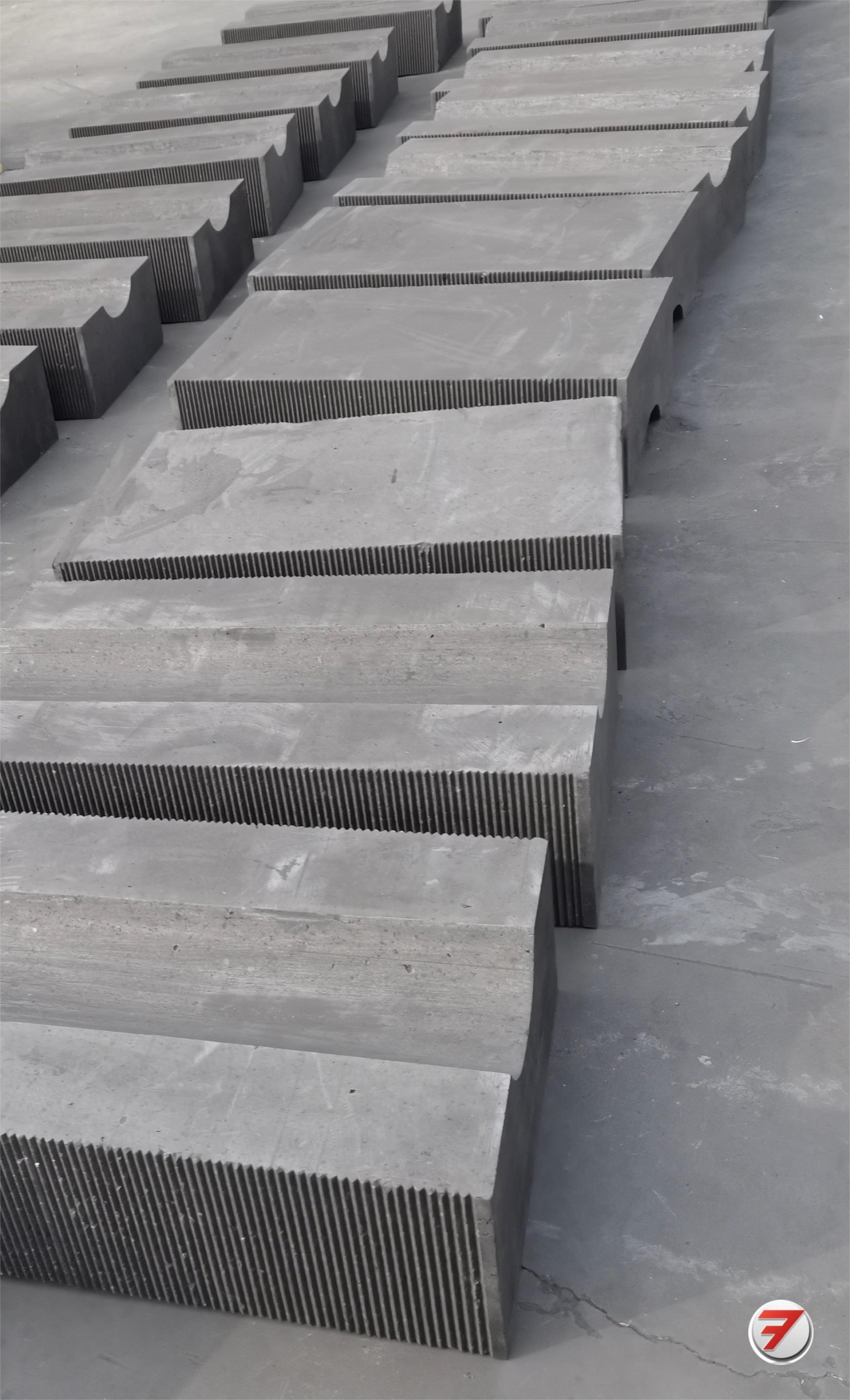
Maximizing Efficiency with Graphite Blocks in Energy Systems
Table of Contents
- 1. Introduction to Graphite Blocks in Energy Systems
- 2. Understanding Graphite: Properties and Types
- 3. Applications of Graphite Blocks in Energy Systems
- 4. Advantages of Using Graphite Blocks in Energy Efficiency
- 5. Recent Innovations in Graphite Technology
- 6. Case Studies: Successful Implementations of Graphite Blocks
- 7. The Environmental Impact of Graphite Blocks
- 8. Future Trends in Graphite Usage in Energy Systems
- 9. FAQs about Graphite Blocks in Energy Systems
- 10. Conclusion
1. Introduction to Graphite Blocks in Energy Systems
In the quest for sustainable and efficient energy solutions, **graphite blocks** have emerged as a key player in enhancing performance across various energy systems. Graphite, a non-metallic mineral, exhibits unique properties that make it ideal for applications in energy generation, storage, and management. This article delves into the diverse roles graphite plays in energy systems, highlighting its benefits, applications, and future potential.
2. Understanding Graphite: Properties and Types
Graphite is a naturally occurring form of carbon that possesses remarkable properties, such as high thermal conductivity, resistance to thermal shock, and excellent chemical stability. Its structure consists of layers of carbon atoms arranged in a hexagonal lattice, allowing for easy sliding of layers over one another. This unique arrangement contributes to its various types, including:
2.1 Natural Graphite
Natural graphite is extracted from mining operations and comes in three main forms: flake, lump, and amorphous. Each type has distinct applications depending on its purity and physical properties.
2.2 Synthetic Graphite
Synthetic graphite is produced through high-temperature treatment of carbon-rich materials. It offers superior purity and can be engineered to meet specific performance requirements, making it suitable for advanced applications in energy systems.
2.3 Expanded Graphite
Expanded graphite is derived from natural graphite and undergoes a process that expands its volume significantly. This form is particularly useful in thermal insulation and energy storage applications due to its low density and high surface area.
3. Applications of Graphite Blocks in Energy Systems
Graphite blocks are utilized in various energy applications, ranging from conventional power generation to innovative renewable energy solutions. Here are some prominent applications:
3.1 Thermal Energy Storage
In energy systems that require thermal energy storage, **graphite blocks** serve as efficient thermal mass materials. They can absorb, store, and release heat, which is crucial for balancing energy supply and demand.
3.2 Battery Technology
Graphite is a critical component in lithium-ion batteries, serving as the anode material. The performance of batteries significantly improves with the use of high-quality graphite blocks, leading to enhanced energy density and cycle life.
3.3 Fuel Cells
Fuel cells convert chemical energy directly into electrical energy, and graphite blocks play a vital role in their construction. They serve as conductive materials and structural supports, enhancing the overall efficiency of fuel cell systems.
3.4 Heat Exchangers
In energy systems where heat exchange is essential, graphite blocks provide excellent thermal conductivity, making them ideal for use in heat exchangers. Their ability to withstand high temperatures and corrosive environments adds to their appeal.
4. Advantages of Using Graphite Blocks in Energy Efficiency
The integration of graphite blocks into energy systems offers several advantages that contribute to overall efficiency and performance:
4.1 High Thermal Conductivity
Graphite's exceptional thermal conductivity enables efficient heat transfer, reducing energy losses and improving system performance.
4.2 Lightweight and Durable
Graphite blocks are lightweight yet strong, making them easier to handle and install while ensuring longevity in demanding environments.
4.3 Chemical Stability
The chemical inertness of graphite makes it resistant to corrosion and degradation, ensuring reliable operation over extended periods.
4.4 Cost-Effectiveness
While the initial investment in graphite materials may be higher, the long-term savings due to increased efficiency and reduced maintenance costs make them a cost-effective choice for energy systems.
5. Recent Innovations in Graphite Technology
Rapid advancements in graphite technology have led to innovative applications and products. Some notable developments include:
5.1 Graphene-enhanced Materials
Graphene, a one-atom-thick layer of graphite, has revolutionized materials science. Its incorporation into graphite blocks enhances electrical conductivity and mechanical strength, paving the way for more efficient energy systems.
5.2 Sustainable Graphite Sourcing
Efforts towards sustainable mining practices and recycling of graphite materials are gaining traction, reducing the environmental impact associated with graphite production.
5.3 Smart Energy Solutions
Integrating graphite technology with smart energy solutions, such as AI-driven energy management systems, optimizes energy distribution and consumption.
6. Case Studies: Successful Implementations of Graphite Blocks
Several industries have successfully implemented graphite blocks to enhance their energy systems. Here are a few case studies:
6.1 Power Generation Plants
In a recent project, a power generation plant incorporated graphite heat exchangers to improve thermal efficiency. The result was a 15% increase in energy output and a significant reduction in fuel consumption.
6.2 Electric Vehicle Battery Manufacturing
A leading electric vehicle manufacturer utilized synthetic graphite in their battery production process, resulting in batteries with a 30% increase in energy density, directly translating to longer driving ranges.
6.3 Renewable Energy Storage
A solar energy facility implemented graphite blocks for thermal storage, allowing for energy release during peak demand times. This innovative approach improved overall system efficiency by 20%.
7. The Environmental Impact of Graphite Blocks
As energy systems evolve, the environmental implications of using graphite blocks must be considered. The following points highlight their impact:
7.1 Sustainable Mining Practices
The push for responsible mining practices mitigates negative environmental consequences associated with graphite extraction.
7.2 Low Carbon Footprint
Graphite blocks enhance the efficiency of energy systems, contributing to lower carbon emissions and supporting global sustainability goals.
7.3 Recycling Initiatives
Recycling graphite materials reduces waste and the need for new raw materials, promoting a circular economy in energy systems.
8. Future Trends in Graphite Usage in Energy Systems
The future of graphite in energy systems looks promising, with several trends shaping its evolution:
8.1 Increasing Demand for Energy Storage Solutions
As renewable energy sources grow, the need for effective energy storage solutions will drive further exploration into graphite technology.
8.2 Research and Development
Ongoing research into new graphite composites and alloys will expand its applications, enhancing performance in various energy sectors.
8.3 Global Shift Towards Decarbonization
The global shift towards decarbonization will increase the focus on energy-efficient materials like graphite, ensuring its relevance in future energy systems.
9. FAQs about Graphite Blocks in Energy Systems
9.1 What are the primary benefits of using graphite blocks?
Graphite blocks offer high thermal conductivity, chemical stability, durability, and cost-effectiveness, making them ideal for enhancing energy efficiency.
9.2 How do graphite blocks improve battery performance?
Graphite blocks increase energy density and cycle life in batteries, leading to enhanced performance and longevity.
9.3 Are there any environmental concerns associated with graphite mining?
Responsible mining practices and recycling initiatives help mitigate environmental impacts related to graphite extraction.
9.4 What industries benefit most from graphite technology?
Industries such as power generation, electric vehicles, and renewable energy storage particularly benefit from the integration of graphite blocks.
9.5 What is the future outlook for graphite in energy systems?
The future of graphite in energy systems is promising, driven by increasing demand for energy storage, ongoing research, and a global shift towards sustainable practices.
10. Conclusion
Graphite blocks play an essential role in maximizing efficiency across energy systems by providing unparalleled thermal conductivity, durability, and cost-effectiveness. As industries continue to seek ways to improve energy performance and sustainability, the utilization of graphite will undoubtedly expand. With ongoing innovations and a growing focus on responsible practices, graphite blocks are poised to become a cornerstone of future energy solutions, driving us towards a more efficient and sustainable energy landscape.
Contact Us
E-mail:
Phone/WhatsApp:
+86 15711363051
Address:
Xingchuang International C912, Xinya Street No.15, Daxing District, Beijing, China



Contact
TEL: +8615711363051
EMAIL: sales@topflymaterial.com
ADD: Xingchuang International C912, Xinya Street No.15, Daxing District, Beijing, China