
Graphite Electrode vs. Traditional Electrode: Unveiling the Key Differences
Apr 13,2026
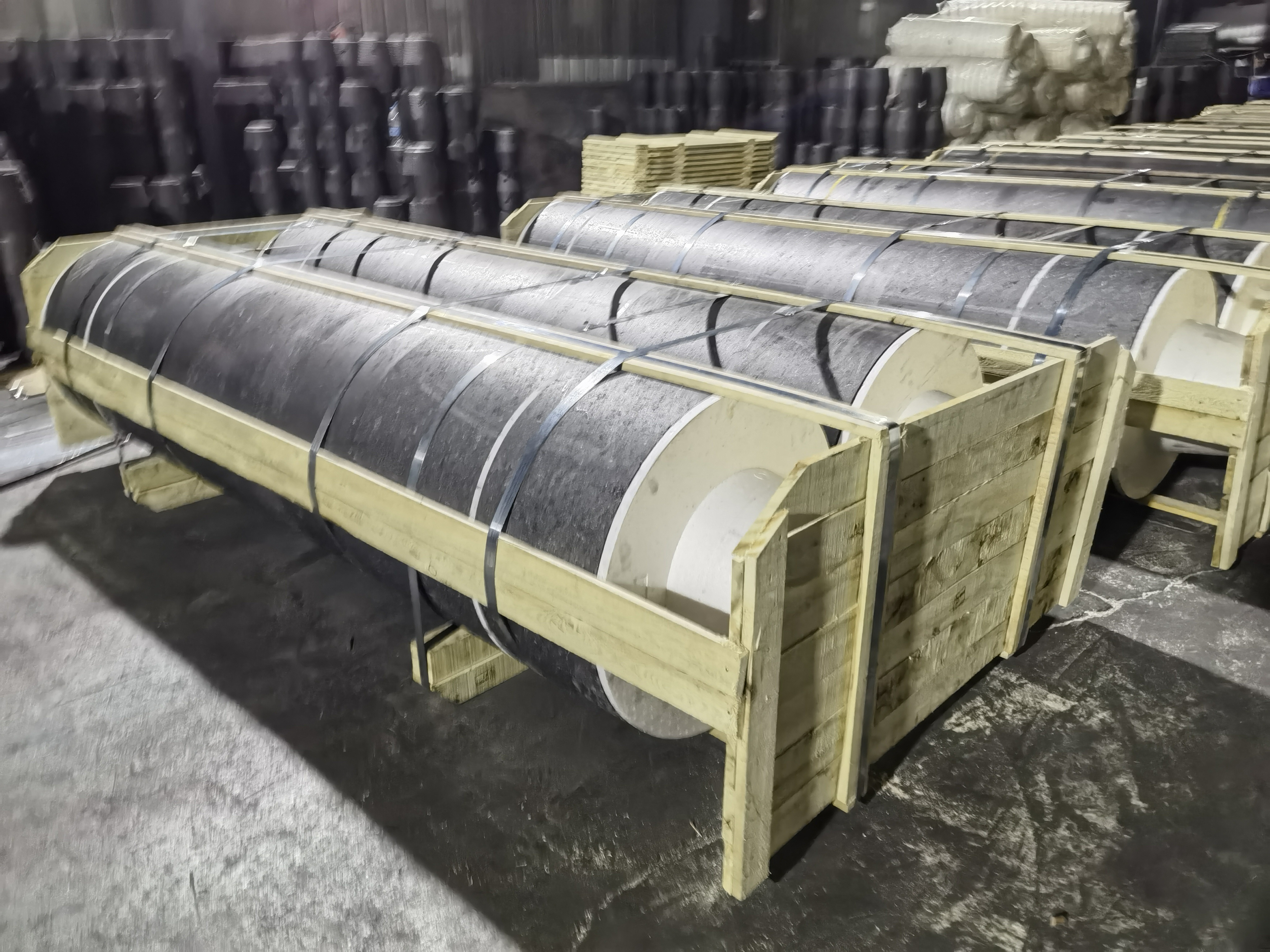
Graphite Electrode vs. Traditional Electrode: What’s the Difference?
Table of Contents
- 1. Introduction to Electrode Types
- 2. Understanding Graphite Electrodes
- 3. Understanding Traditional Electrodes
- 4. Key Differences Between Graphite and Traditional Electrodes
- 5. Applications of Graphite and Traditional Electrodes
- 6. Advantages of Graphite Electrodes
- 7. Disadvantages of Graphite Electrodes
- 8. Conclusion
- 9. Frequently Asked Questions (FAQs)
1. Introduction to Electrode Types
In the realm of metallurgy and energy production, electrodes play a pivotal role in various processes, including arc furnaces and electrolysis. Understanding the differences between **graphite electrodes** and **traditional electrodes** is essential for industries that rely on these components for efficient operations. This article delves into the distinctive characteristics, applications, and implications of choosing one type over the other.
2. Understanding Graphite Electrodes
Graphite electrodes are primarily made of **graphite**, a form of carbon known for its high conductivity, thermal stability, and resistance to thermal shock. These electrodes are widely used in electric arc furnaces (EAF) for steel production and other applications involving high temperatures and electric currents.
The production of graphite electrodes involves several stages, including the calcination of petroleum coke, mixing it with a binding agent, and subjecting it to high temperatures in a furnace. This complex process results in highly conductive electrodes capable of withstanding extreme conditions.
2.1 Properties of Graphite Electrodes
- **High Electrical Conductivity**: Graphite electrodes exhibit superior electrical conductivity, making them ideal for high current applications.
- **Thermal Stability**: These electrodes can endure high temperatures without significant degradation.
- **Low Thermal Expansion**: Graphite's minimal thermal expansion ensures dimensional stability during rapid temperature changes.
- **Chemical Resistance**: Graphite electrodes resist oxidation and other chemical interactions, prolonging their lifespan.
3. Understanding Traditional Electrodes
Traditional electrodes can be crafted from various materials, including metals like copper and aluminum, or from **carbon**. These electrodes are commonly used in different applications, such as welding, electroplating, and primary metal production.
Unlike graphite electrodes, traditional electrodes may not possess the same level of conductivity or thermal stability. The choice of material often depends on the specific requirements of the application, including cost, durability, and performance.
3.1 Properties of Traditional Electrodes
- **Variety of Materials**: Traditional electrodes come in a range of materials, allowing customization based on specific needs.
- **Conductivity Levels**: Conductivity varies significantly among traditional electrodes, depending on the chosen material.
- **Cost-Effectiveness**: Traditional electrodes often offer a lower upfront cost compared to graphite electrodes, making them attractive for certain applications.
4. Key Differences Between Graphite and Traditional Electrodes
Understanding the key differences between graphite and traditional electrodes is crucial for making informed choices in industrial applications. Below, we outline the most significant distinctions:
4.1 Composition and Manufacturing
Graphite electrodes are predominantly made from carbon-based materials through a complex manufacturing process that results in high-quality conductivity and stability. In contrast, traditional electrodes may be composed of diverse materials, including metals, leading to variations in performance and durability.
4.2 Electrical Conductivity
Graphite electrodes feature **superior electrical conductivity**, making them more efficient for high-temperature and high-current applications. Traditional electrodes often lag in conductivity, which can impact their performance in demanding environments.
4.3 Thermal Resistance
Graphite electrodes excel in thermal resistance, capable of withstanding extreme temperatures without degradation. Traditional electrodes may not offer the same level of thermal stability, which could lead to a shorter lifespan in high-temperature applications.
4.4 Cost and Economic Considerations
While graphite electrodes tend to have a higher initial cost, their longevity and efficiency in high-performance applications can justify the investment. Traditional electrodes are often more affordable upfront but may incur higher replacement costs due to their shorter service life.
4.5 Environmental Impact
The production and disposal of electrodes can have environmental implications. Graphite electrodes, while derived from natural materials, require significant processing. Traditional electrodes vary in environmental impact based on the materials used and their manufacturing processes.
5. Applications of Graphite and Traditional Electrodes
Identifying the applications of graphite and traditional electrodes helps illustrate their respective advantages and limitations.
5.1 Applications of Graphite Electrodes
- **Electric Arc Furnaces**: Graphite electrodes are vital in steelmaking processes, providing the necessary heat and energy for melting scrap metal.
- **Electric Discharge Machining (EDM)**: Used in precision machining, graphite electrodes facilitate intricate designs and components.
- **Battery Production**: Graphite electrodes play a significant role in lithium-ion battery manufacturing, ensuring efficient energy transfer.
5.2 Applications of Traditional Electrodes
- **Welding Processes**: Traditional electrodes, such as those made from metals, are commonly employed in various welding applications, providing strong and reliable joints.
- **Electroplating**: They are utilized in electroplating processes to deposit metal coatings on surfaces.
- **Primary Metal Production**: Traditional electrodes can be used in the production of metals, although they often have limitations in extreme conditions compared to graphite electrodes.
6. Advantages of Graphite Electrodes
Graphite electrodes bring numerous advantages to industries that require high performance and durability.
6.1 Exceptional Performance
Graphite electrodes deliver outstanding performance in electric arc furnaces and other high-temperature applications, ensuring efficient energy transfer and reduced operational costs.
6.2 Longevity and Reliability
Due to their resistance to thermal shock and chemical interactions, graphite electrodes typically have a longer service life, reducing the need for frequent replacements.
6.3 Versatility in Applications
Graphite electrodes can be tailored for various applications, from steel production to advanced battery technologies, showcasing their versatility in different industries.
7. Disadvantages of Graphite Electrodes
While graphite electrodes offer numerous benefits, they also come with certain disadvantages that should be considered.
7.1 Higher Initial Costs
The manufacturing process of graphite electrodes is complex and costly, leading to higher initial purchase prices compared to traditional electrodes.
7.2 Brittle Nature
Graphite is more brittle than metals, which can lead to challenges during handling and transportation, increasing the risk of breakage.
7.3 Environmental Concerns
The production of graphite electrodes can have environmental implications, particularly regarding carbon emissions and resource extraction.
8. Conclusion
Choosing between **graphite electrodes** and **traditional electrodes** ultimately depends on the specific requirements of your application. While graphite electrodes provide exceptional performance, longevity, and versatility, traditional electrodes may present cost advantages in certain scenarios. Understanding the differences, advantages, and limitations of each type will empower industries to make informed decisions that align with their operational needs.
9. Frequently Asked Questions (FAQs)
9.1 What is the primary difference between graphite electrodes and traditional electrodes?
The primary difference lies in their materials and properties. Graphite electrodes offer superior electrical conductivity and thermal stability, while traditional electrodes may vary in material and performance.
9.2 In which applications are graphite electrodes preferred?
Graphite electrodes are preferred in electric arc furnaces for steel production, electric discharge machining, and lithium-ion battery manufacturing.
9.3 Are traditional electrodes cheaper than graphite electrodes?
Yes, traditional electrodes typically have a lower initial cost, but they may require more frequent replacements, potentially leading to higher long-term costs.
9.4 What are the environmental impacts of using graphite electrodes?
The production of graphite electrodes can result in carbon emissions and resource extraction concerns. It is essential to consider the environmental implications when selecting electrode types.
9.5 Can graphite electrodes be recycled?
Yes, graphite electrodes can be recycled, which helps mitigate some environmental concerns and supports sustainability efforts in the industry.
By understanding the complexities and nuances of graphite and traditional electrodes, industries can optimize their operations and enhance performance in their respective fields.
Contact Us
E-mail:
Phone/WhatsApp:
+86 15711363051
Address:
Xingchuang International C912, Xinya Street No.15, Daxing District, Beijing, China



Contact
TEL: +8615711363051
EMAIL: sales@topflymaterial.com
ADD: Xingchuang International C912, Xinya Street No.15, Daxing District, Beijing, China