
The Essential Role of RP Graphite Electrodes in Metallurgical Applications
Apr 14,2026
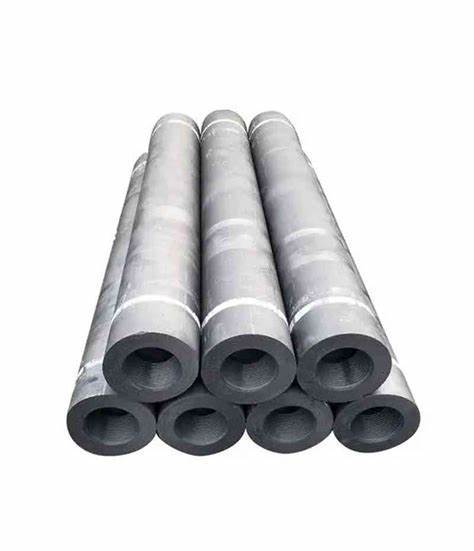
RP graphite electrodes are critical components in the metallurgy industry, primarily used in the production of steel and other metal alloys through electric arc furnaces (EAF). These electrodes are made from high-quality petroleum needle coke, which is subjected to high-temperature processing to achieve the desired density and electrical conductivity. The term "RP" stands for "Regular Power," indicating the type of electrode suitable for a range of applications, including steelmaking and foundry operations.
One of the main advantages of RP graphite electrodes is their ability to withstand extremely high temperatures while maintaining their structural integrity. This characteristic is crucial for the electric arc furnace, where the temperatures can exceed 3,000 degrees Celsius. During the melting process, the RP graphite electrodes conduct electricity efficiently, generating the heat necessary to melt scrap metal and convert it into liquid steel.
In addition to temperature resistance and conductivity, RP graphite electrodes possess excellent chemical stability. They exhibit low reactivity with the molten metal, which minimizes contamination and ensures the purity of the final product. This is particularly important in the production of high-grade steel, where even minor impurities can affect the material properties.
The versatility of RP graphite electrodes also extends to their application in various sectors. Beyond steelmaking, they are used in the production of ferroalloys, nonferrous metals, and even in the manufacturing of certain types of glass and ceramics. Their performance characteristics make them an ideal choice for industries that require reliable and efficient heat generation.
Moreover, the environmental considerations surrounding the use of RP graphite electrodes are gaining traction. As industries move towards more sustainable practices, the efficiency of RP graphite electrodes contributes to reduced energy consumption and lower carbon emissions during the metal production process. By optimizing the melting and refining stages, manufacturers can achieve better overall sustainability while maintaining productivity.
In summary, RP graphite electrodes play a pivotal role in the metallurgy sector, particularly in electric arc furnace applications. Their excellent thermal and chemical properties make them indispensable for producing high-quality metal products. As industries continue to evolve and seek more efficient and eco-friendly solutions, the significance of RP graphite electrodes is only expected to grow. By understanding their advantages and applications, professionals in the metallurgy field can make informed decisions to enhance their operations and contribute to a more sustainable future.
One of the main advantages of RP graphite electrodes is their ability to withstand extremely high temperatures while maintaining their structural integrity. This characteristic is crucial for the electric arc furnace, where the temperatures can exceed 3,000 degrees Celsius. During the melting process, the RP graphite electrodes conduct electricity efficiently, generating the heat necessary to melt scrap metal and convert it into liquid steel.
In addition to temperature resistance and conductivity, RP graphite electrodes possess excellent chemical stability. They exhibit low reactivity with the molten metal, which minimizes contamination and ensures the purity of the final product. This is particularly important in the production of high-grade steel, where even minor impurities can affect the material properties.
The versatility of RP graphite electrodes also extends to their application in various sectors. Beyond steelmaking, they are used in the production of ferroalloys, nonferrous metals, and even in the manufacturing of certain types of glass and ceramics. Their performance characteristics make them an ideal choice for industries that require reliable and efficient heat generation.
Moreover, the environmental considerations surrounding the use of RP graphite electrodes are gaining traction. As industries move towards more sustainable practices, the efficiency of RP graphite electrodes contributes to reduced energy consumption and lower carbon emissions during the metal production process. By optimizing the melting and refining stages, manufacturers can achieve better overall sustainability while maintaining productivity.
In summary, RP graphite electrodes play a pivotal role in the metallurgy sector, particularly in electric arc furnace applications. Their excellent thermal and chemical properties make them indispensable for producing high-quality metal products. As industries continue to evolve and seek more efficient and eco-friendly solutions, the significance of RP graphite electrodes is only expected to grow. By understanding their advantages and applications, professionals in the metallurgy field can make informed decisions to enhance their operations and contribute to a more sustainable future.
Contact Us
E-mail:
Phone/WhatsApp:
+86 15711363051
Address:
Xingchuang International C912, Xinya Street No.15, Daxing District, Beijing, China



Contact
TEL: +8615711363051
EMAIL: sales@topflymaterial.com
ADD: Xingchuang International C912, Xinya Street No.15, Daxing District, Beijing, China