
Graphite Blocks: Future-Proofing Your Energy Solutions
Mar 20,2026
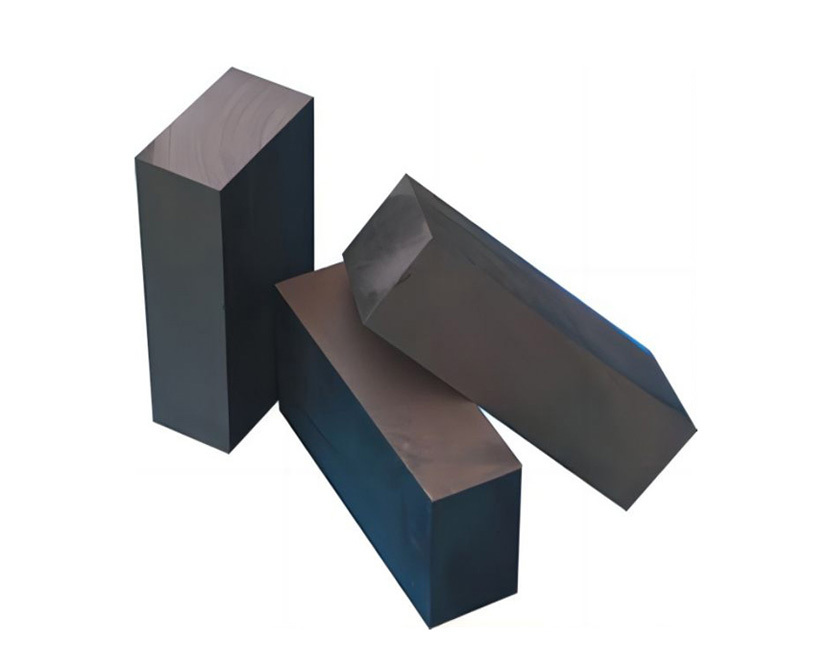
Graphite Blocks: Future-Proofing Your Energy Solutions
Table of Contents
- 1. Introduction to Graphite Blocks
- 2. What is Graphite?
- 3. Properties and Benefits of Graphite Blocks
- 4. Applications of Graphite Blocks in Energy Solutions
- 5. Environmental Impact of Graphite
- 6. Future Trends in Graphite Block Technology
- 7. Challenges in the Graphite Industry and Proposed Solutions
- 8. Frequently Asked Questions (FAQs)
- 9. Conclusion
1. Introduction to Graphite Blocks
In an era where energy sustainability is paramount, **graphite blocks** have emerged as a pivotal material in the quest for efficient energy solutions. As industries worldwide pivot towards greener alternatives, the demand for materials that can withstand high temperatures and provide exceptional electrical conductivity has surged. Graphite blocks, with their unique properties, play a crucial role in diverse applications, from energy storage to thermal management.
2. What is Graphite?
Graphite is a naturally occurring form of carbon, consisting of layers of carbon atoms arranged in a hexagonal lattice. This structure imparts several beneficial properties to graphite, making it an ideal choice for various applications. Notably, graphite is known for its **high thermal conductivity**, **electrical conductivity**, and **chemical stability**. These attributes enable its use in a myriad of industries, particularly in energy solutions, where efficiency and performance are critical.
The Structure of Graphite
Graphite's unique layered structure allows for easy sliding of the layers over one another, which contributes to its lubricating properties. This characteristic is particularly advantageous in applications where friction reduction is necessary. Moreover, the interlayer bonding is relatively weak, allowing for easy manipulation during manufacturing processes.
Types of Graphite
Graphite can be classified into several types, including **natural graphite**, **synthetic graphite**, and **expanded graphite**. Each type exhibits distinct properties that cater to specific applications. For instance, while natural graphite is often used in batteries and lubricants, synthetic graphite is commonly utilized in high-performance applications like anodes in lithium-ion batteries.
3. Properties and Benefits of Graphite Blocks
Graphite blocks possess a range of properties that contribute to their effectiveness in various energy applications. Understanding these properties helps in appreciating why they are considered future-proof solutions.
High Thermal Conductivity
One of the standout features of graphite blocks is their **high thermal conductivity**. This property is essential for applications that require efficient heat dissipation, such as in the manufacturing of electronic components and thermal management systems.
Excellent Electrical Conductivity
In addition to thermal management, graphite blocks exhibit superior **electrical conductivity**, making them ideal for use in batteries and fuel cells. This conductivity allows for efficient energy transfer, enhancing the overall performance of energy systems.
Chemical Stability
Graphite's chemical stability is another significant advantage. This property ensures that graphite blocks can withstand harsh environments without degrading, thus extending the lifespan of energy systems and reducing maintenance costs.
Lightweight and Versatile
Graphite blocks are also lightweight, which is a crucial factor in applications where weight reduction is essential. Their versatility allows them to be molded into various shapes and sizes, catering to the specific needs of different industries.
4. Applications of Graphite Blocks in Energy Solutions
Graphite blocks are transforming multiple sectors by providing innovative solutions. Here are some key applications in energy:
Energy Storage Systems
Graphite is a primary material in energy storage systems, particularly in **lithium-ion batteries**. The anodes of these batteries often utilize synthetic graphite due to its excellent electrical properties, which enhance battery performance, charging speed, and lifespan.
Thermal Management in Electronics
In the electronics industry, graphite blocks are used for **thermal management** solutions. Their high thermal conductivity allows them to effectively dissipate heat from critical components, ensuring optimal performance and reliability of electronic devices.
Fuel Cells
Fuel cells, which convert chemical energy into electrical energy, also benefit from graphite blocks. The **bipolar plates** in fuel cells are often made from graphite due to its conductive properties and resistance to corrosion, thereby improving the efficiency of the energy conversion process.
Industrial Applications
In various industrial processes, graphite blocks serve as insulation materials, crucibles, and in molds for metal casting. Their ability to withstand high temperatures without deforming makes them invaluable in industries such as steelmaking and foundries.
5. Environmental Impact of Graphite
While graphite blocks provide numerous benefits, it is essential to consider their environmental impact. The extraction and processing of graphite can have significant implications for ecosystems and communities.
Sustainable Mining Practices
Efforts are being made to adopt more **sustainable mining practices** to reduce the environmental footprint of graphite mining. This includes minimizing habitat disruption, reducing water usage, and ensuring responsible waste management.
Recycling and Reuse
The recycling of graphite materials is another avenue for reducing environmental impact. By reprocessing used graphite blocks, industries can decrease the demand for newly mined graphite, thereby conserving natural resources and reducing waste.
6. Future Trends in Graphite Block Technology
As technological advancements continue, the future of graphite blocks looks promising. Emerging trends include:
Advanced Manufacturing Techniques
Innovative manufacturing techniques, such as **3D printing**, are being explored to create bespoke graphite blocks tailored to specific applications. This not only enhances efficiency but also reduces material waste.
Integration with Renewable Energy Sources
Graphite blocks are expected to play a crucial role in integrating renewable energy sources into existing infrastructure. Their use in energy storage systems will become increasingly important as the demand for reliable energy storage solutions grows.
7. Challenges in the Graphite Industry and Proposed Solutions
Despite the advantages of graphite blocks, the industry faces several challenges that must be addressed for sustainable growth.
Supply Chain Vulnerabilities
One significant challenge is the **vulnerability of the supply chain**, particularly for natural graphite. Geopolitical tensions and environmental regulations can affect the availability of graphite, leading to price fluctuations.
Technological Limitations
Current technologies for graphite processing may not be sufficient to meet the growing demand. Investing in research and development to advance processing techniques can mitigate these limitations and enhance the overall efficiency of graphite utilization.
8. Frequently Asked Questions (FAQs)
1. What are the main uses of graphite blocks in energy solutions?
Graphite blocks are primarily used in energy storage systems, thermal management applications, fuel cells, and various industrial processes.
2. How does graphite contribute to sustainability?
Graphite contributes to sustainability by enabling efficient energy storage, facilitating the use of renewable energy sources, and reducing waste through recycling initiatives.
3. What are the advantages of using graphite blocks over other materials?
Graphite blocks offer superior thermal and electrical conductivity, chemical stability, and lightweight properties, making them more effective than many traditional materials in energy applications.
4. Are there any environmental concerns associated with graphite mining?
Yes, graphite mining can have environmental impacts, including habitat disruption and resource depletion. Sustainable mining practices and recycling initiatives are essential to mitigate these concerns.
5. What future innovations can we expect in graphite block technology?
Future innovations may include advanced manufacturing techniques such as 3D printing, integration with renewable energy sources, and improved processing technologies to enhance efficiency and reduce costs.
9. Conclusion
Graphite blocks represent a critical component in the evolving landscape of energy solutions. Their unique properties provide significant advantages in various applications, from energy storage systems to thermal management in electronics. As industries continue to seek sustainable and efficient materials, graphite blocks stand out as a future-proof choice that aligns with global energy demands. Embracing innovations in graphite technology will not only enhance performance across sectors but also contribute to a more sustainable and resilient energy future.
Contact Us
E-mail:
Phone/WhatsApp:
+86 15711363051
Address:
Xingchuang International C912, Xinya Street No.15, Daxing District, Beijing, China



Contact
TEL: +8615711363051
EMAIL: sales@topflymaterial.com
ADD: Xingchuang International C912, Xinya Street No.15, Daxing District, Beijing, China