
Understanding Molded Graphite: Applications and Advantages in Metallurgy
Mar 19,2026
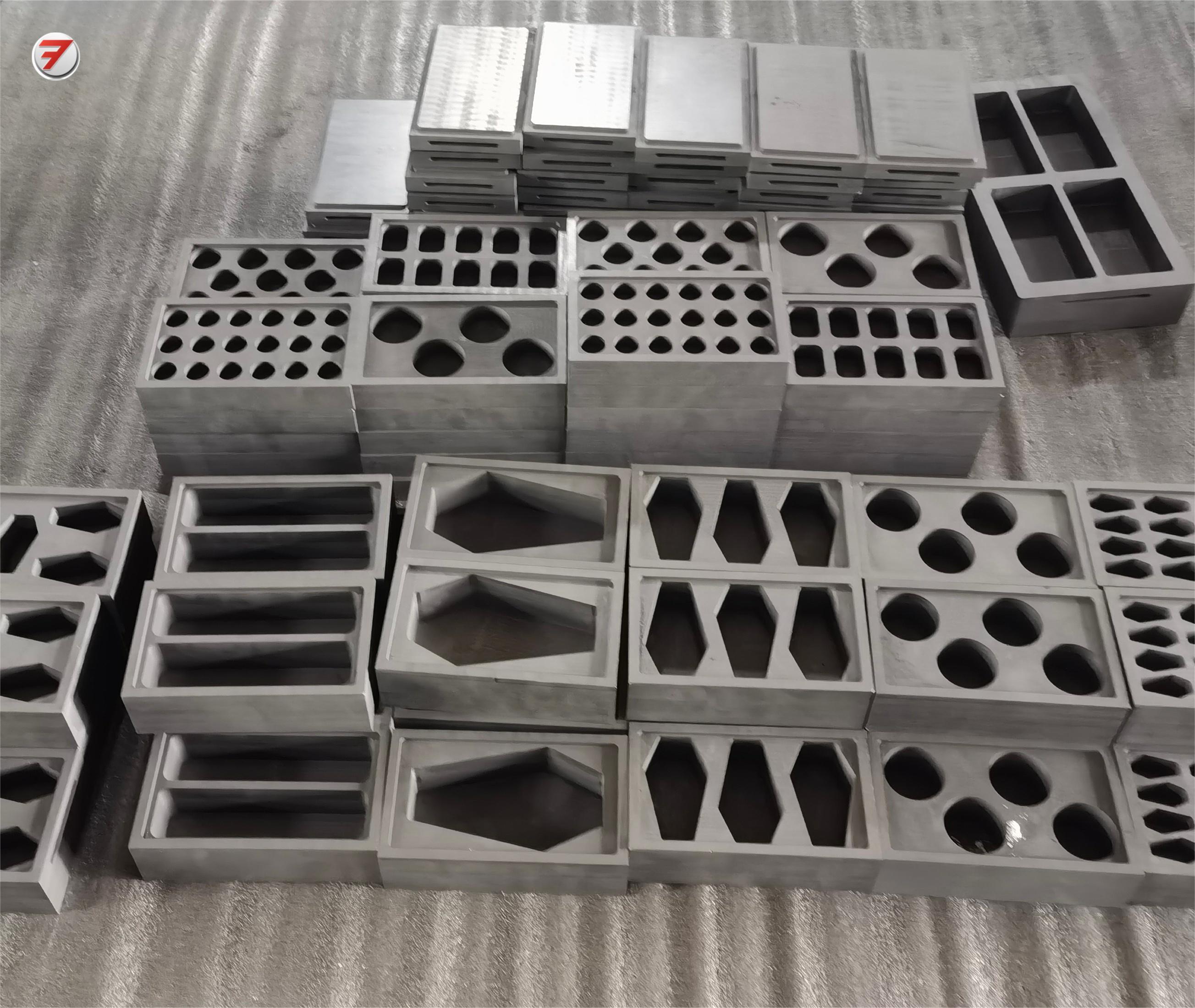
Molded graphite is a specific type of graphite that is shaped during the manufacturing process using molds. This technique allows for the creation of components with precise dimensions and complex geometries, making it highly valuable in numerous applications, particularly in the metallurgy and energy sectors. The unique properties of molded graphite, such as its excellent thermal and electrical conductivity, high thermal stability, and resistance to corrosion, contribute significantly to its utility in industrial applications.
One of the most notable applications of molded graphite is in the production of electrodes used in electric arc furnaces. These electrodes are critical for melting and processing metals. The high thermal conductivity of molded graphite ensures efficient energy transfer, which is crucial for maintaining optimal operating temperatures during metal processing. Additionally, the material’s resistance to oxidation enhances the longevity of the electrodes, minimizing downtime and maintenance costs.
Another significant area where molded graphite is employed is in the manufacturing of specialized bearings and seals. The self-lubricating properties of molded graphite reduce friction and wear, which is particularly advantageous in high-temperature environments. This characteristic makes it a preferred material in various machinery, including those used in the energy sector, where operational efficiency is paramount.
Moreover, molded graphite exhibits exceptional machinability, allowing for easy shaping and finishing. This versatility is advantageous for manufacturers who require customized components. The ability to produce complex shapes without compromising material integrity is a major benefit that molded graphite offers over traditional materials.
In addition to its mechanical properties, molded graphite is also recognized for its environmental benefits. As a non-metallic mineral product, it is often sourced responsibly and can be recycled, contributing to more sustainable manufacturing processes. In an era where environmental considerations are becoming increasingly important, the use of molded graphite aligns well with the industry's push towards more eco-friendly solutions.
Overall, the advantages of molded graphite, including its unique mechanical and thermal properties, versatility, and sustainability, make it an essential material in the metallurgical and energy industries. As technology continues to advance, the demand for high-performance materials like molded graphite is expected to grow, driving innovation and efficiency in industrial applications. Understanding these facets of molded graphite can empower professionals in the metallurgy field to make informed decisions regarding material selection and application.
One of the most notable applications of molded graphite is in the production of electrodes used in electric arc furnaces. These electrodes are critical for melting and processing metals. The high thermal conductivity of molded graphite ensures efficient energy transfer, which is crucial for maintaining optimal operating temperatures during metal processing. Additionally, the material’s resistance to oxidation enhances the longevity of the electrodes, minimizing downtime and maintenance costs.
Another significant area where molded graphite is employed is in the manufacturing of specialized bearings and seals. The self-lubricating properties of molded graphite reduce friction and wear, which is particularly advantageous in high-temperature environments. This characteristic makes it a preferred material in various machinery, including those used in the energy sector, where operational efficiency is paramount.
Moreover, molded graphite exhibits exceptional machinability, allowing for easy shaping and finishing. This versatility is advantageous for manufacturers who require customized components. The ability to produce complex shapes without compromising material integrity is a major benefit that molded graphite offers over traditional materials.
In addition to its mechanical properties, molded graphite is also recognized for its environmental benefits. As a non-metallic mineral product, it is often sourced responsibly and can be recycled, contributing to more sustainable manufacturing processes. In an era where environmental considerations are becoming increasingly important, the use of molded graphite aligns well with the industry's push towards more eco-friendly solutions.
Overall, the advantages of molded graphite, including its unique mechanical and thermal properties, versatility, and sustainability, make it an essential material in the metallurgical and energy industries. As technology continues to advance, the demand for high-performance materials like molded graphite is expected to grow, driving innovation and efficiency in industrial applications. Understanding these facets of molded graphite can empower professionals in the metallurgy field to make informed decisions regarding material selection and application.
Contact Us
E-mail:
Phone/WhatsApp:
+86 15711363051
Address:
Xingchuang International C912, Xinya Street No.15, Daxing District, Beijing, China



Contact
TEL: +8615711363051
EMAIL: sales@topflymaterial.com
ADD: Xingchuang International C912, Xinya Street No.15, Daxing District, Beijing, China