
Exploring the Future of Energy: The Pivotal Role of Isostatic Graphite in Sustainable Development
Mar 18,2026
Exploring the Future of Energy: The Pivotal Role of Isostatic Graphite in Sustainable Development
Table of Contents
1. Introduction to Isostatic Graphite
2. The Importance of Isostatic Graphite in Energy Solutions
3. Unique Properties of Isostatic Graphite
3.1 Thermal Conductivity and Stability
3.2 Electrical Conductivity and Performance
4. Applications of Isostatic Graphite in Energy Storage
4.1 Lithium-Ion Batteries
4.2 Supercapacitors
5. The Role of Isostatic Graphite in Renewable Energy Technologies
5.1 Solar Energy Systems
5.2 Wind Energy Solutions
6. Future Trends in Isostatic Graphite Production
7. Challenges and Opportunities in the Isostatic Graphite Industry
8. Conclusion
Frequently Asked Questions (FAQs)
1. Introduction to Isostatic Graphite
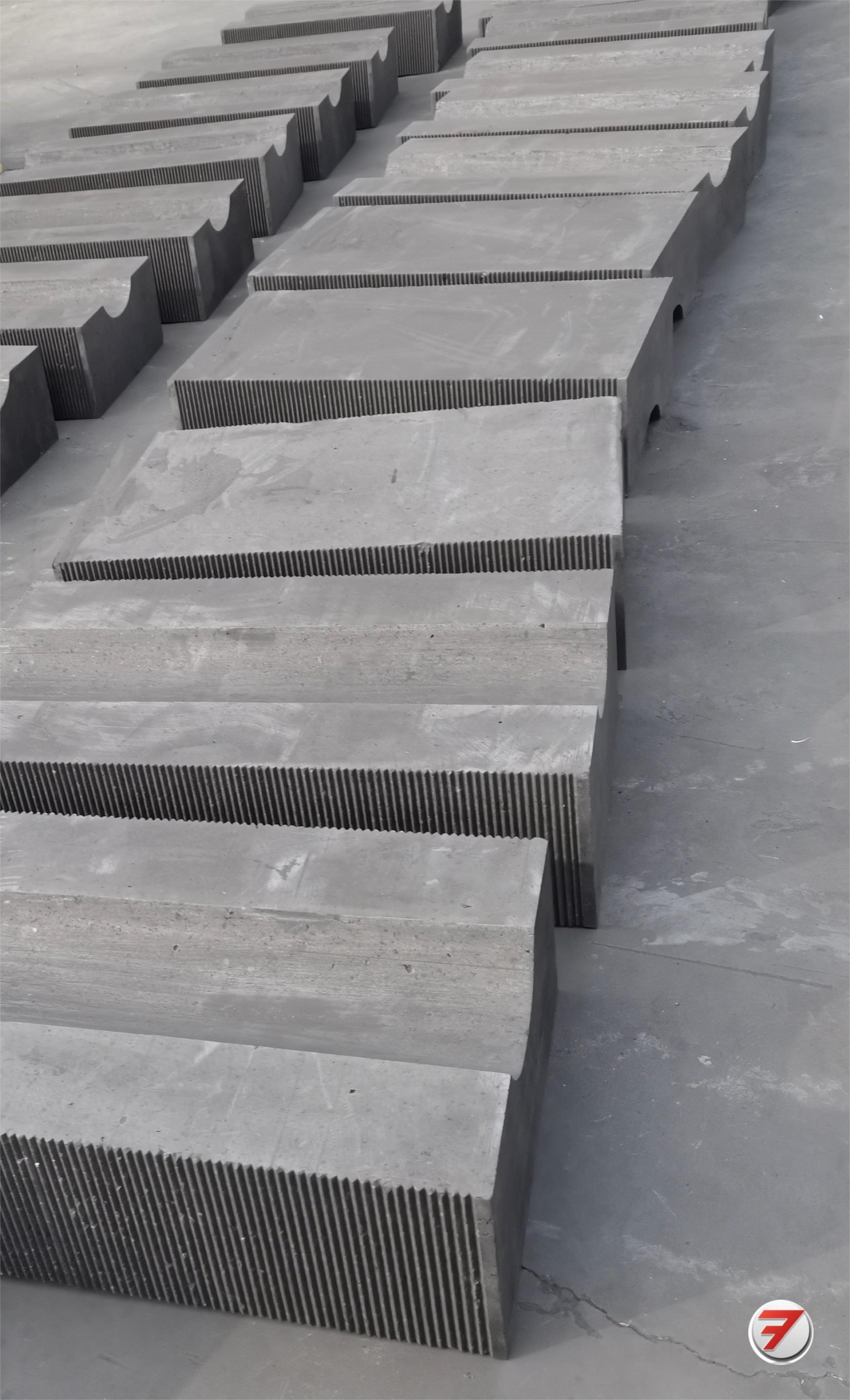
Isostatic graphite, a specialized form of synthetic graphite, is produced through a unique isostatic pressing process that ensures uniform density and exceptional mechanical properties. This material has gained considerable attention in recent years, especially as industries seek innovative solutions to meet the growing demand for sustainable energy. The combination of its remarkable properties and versatile applications positions isostatic graphite at the forefront of the energy sector.
2. The Importance of Isostatic Graphite in Energy Solutions
The urgency to transition to renewable energy sources has never been more pressing. In this context, isostatic graphite is becoming increasingly significant due to its unique characteristics. This material offers high thermal and electrical conductivity, making it ideal for various applications in energy storage and generation systems. Our exploration of isostatic graphite reveals its critical role in enhancing the efficiency and performance of energy solutions.
3. Unique Properties of Isostatic Graphite
Understanding the distinct properties of isostatic graphite is essential for grasping its relevance in energy applications.
3.1 Thermal Conductivity and Stability
Isostatic graphite exhibits exceptional thermal conductivity, allowing it to efficiently dissipate heat in high-temperature environments. This attribute is particularly valuable in energy applications, where temperature control is crucial for optimal performance. Furthermore, the stability of isostatic graphite under extreme conditions ensures its reliability in various energy systems.
3.2 Electrical Conductivity and Performance
In addition to thermal properties, isostatic graphite is renowned for its outstanding electrical conductivity. This characteristic enables it to serve as a crucial component in energy storage devices like batteries and capacitors. The efficiency of energy transfer and storage relies heavily on the conductivity of the materials used, and isostatic graphite excels in this aspect.
4. Applications of Isostatic Graphite in Energy Storage
Isostatic graphite is making waves in the energy storage sector, particularly in the development of advanced battery technologies.
4.1 Lithium-Ion Batteries
The demand for lithium-ion batteries continues to rise, driven by the electrification of transportation and the increasing adoption of renewable energy sources. Isostatic graphite plays a vital role in these batteries by serving as an anode material. Its high conductivity ensures efficient electron transfer, resulting in improved energy density and longer battery life.
4.2 Supercapacitors
Supercapacitors, known for their fast charge and discharge capabilities, also benefit from isostatic graphite. The material's excellent surface area and conductivity enhance the energy storage capacity of supercapacitors, making them ideal for applications requiring rapid energy delivery. This synergy between isostatic graphite and supercapacitor technology could lead to significant advancements in energy storage systems.
5. The Role of Isostatic Graphite in Renewable Energy Technologies
Isostatic graphite is not just confined to energy storage; its applications extend to renewable energy generation technologies as well.
5.1 Solar Energy Systems
In solar energy systems, isostatic graphite can be utilized in various components, including photovoltaic cells. Its thermal stability allows it to withstand the harsh conditions often encountered in solar applications, enhancing the overall efficiency and longevity of solar panels.
5.2 Wind Energy Solutions
Wind turbines, essential in the renewable energy landscape, require materials that can endure significant mechanical stress. Isostatic graphite's excellent strength-to-weight ratio and durability make it an ideal candidate for components used in wind energy systems, contributing to more efficient energy production.
6. Future Trends in Isostatic Graphite Production
As the demand for isostatic graphite continues to rise, the industry is witnessing several trends aimed at improving production efficiency and sustainability. Innovations in manufacturing processes, such as the integration of advanced technologies and sustainable sourcing of raw materials, are expected to shape the future of isostatic graphite production.
7. Challenges and Opportunities in the Isostatic Graphite Industry
Despite its promising prospects, the isostatic graphite industry faces several challenges. Supply chain disruptions, environmental concerns, and increasing competition from alternative materials are pressing issues. However, these challenges also present opportunities for research and development, potentially leading to advancements that enhance the sustainability and efficiency of isostatic graphite applications.
8. Conclusion
Isostatic graphite stands at the intersection of innovation and sustainability in the energy sector. Its unique properties, combined with diverse applications in energy storage and generation, position it as a critical component in the ongoing transition to renewable energy solutions. As industries continue to explore and harness the potential of isostatic graphite, we can look forward to a future where energy efficiency and sustainability go hand in hand.
Frequently Asked Questions (FAQs)
1. What is isostatic graphite?
Isostatic graphite is a synthetic graphite material produced through an isostatic pressing process, which provides uniform density and exceptional mechanical and thermal properties.
2. What are the main applications of isostatic graphite in energy?
Isostatic graphite is primarily used in lithium-ion batteries, supercapacitors, solar energy systems, and wind energy solutions, enhancing their efficiency and performance.
3. Why is thermal conductivity important in energy applications?
High thermal conductivity is crucial for managing heat within energy systems, ensuring optimal performance and preventing overheating.
4. How does isostatic graphite improve battery technology?
Isostatic graphite improves battery technology by serving as an anode material, enhancing electrical conductivity, energy density, and overall battery life.
5. What future trends are expected in isostatic graphite production?
Future trends in isostatic graphite production include advancements in manufacturing processes, sustainable sourcing of raw materials, and increased efficiency in production methods.
In conclusion, isostatic graphite not only plays a pivotal role in the current energy landscape but also holds immense potential for future developments. Embracing this remarkable material will be essential for driving sustainable energy solutions forward.
Contact Us
E-mail:
Phone/WhatsApp:
+86 15711363051
Address:
Xingchuang International C912, Xinya Street No.15, Daxing District, Beijing, China



Contact
TEL: +8615711363051
EMAIL: sales@topflymaterial.com
ADD: Xingchuang International C912, Xinya Street No.15, Daxing District, Beijing, China