
Understanding Graphite Boats: Essential Components for High-Temperature Applications
Mar 21,2026
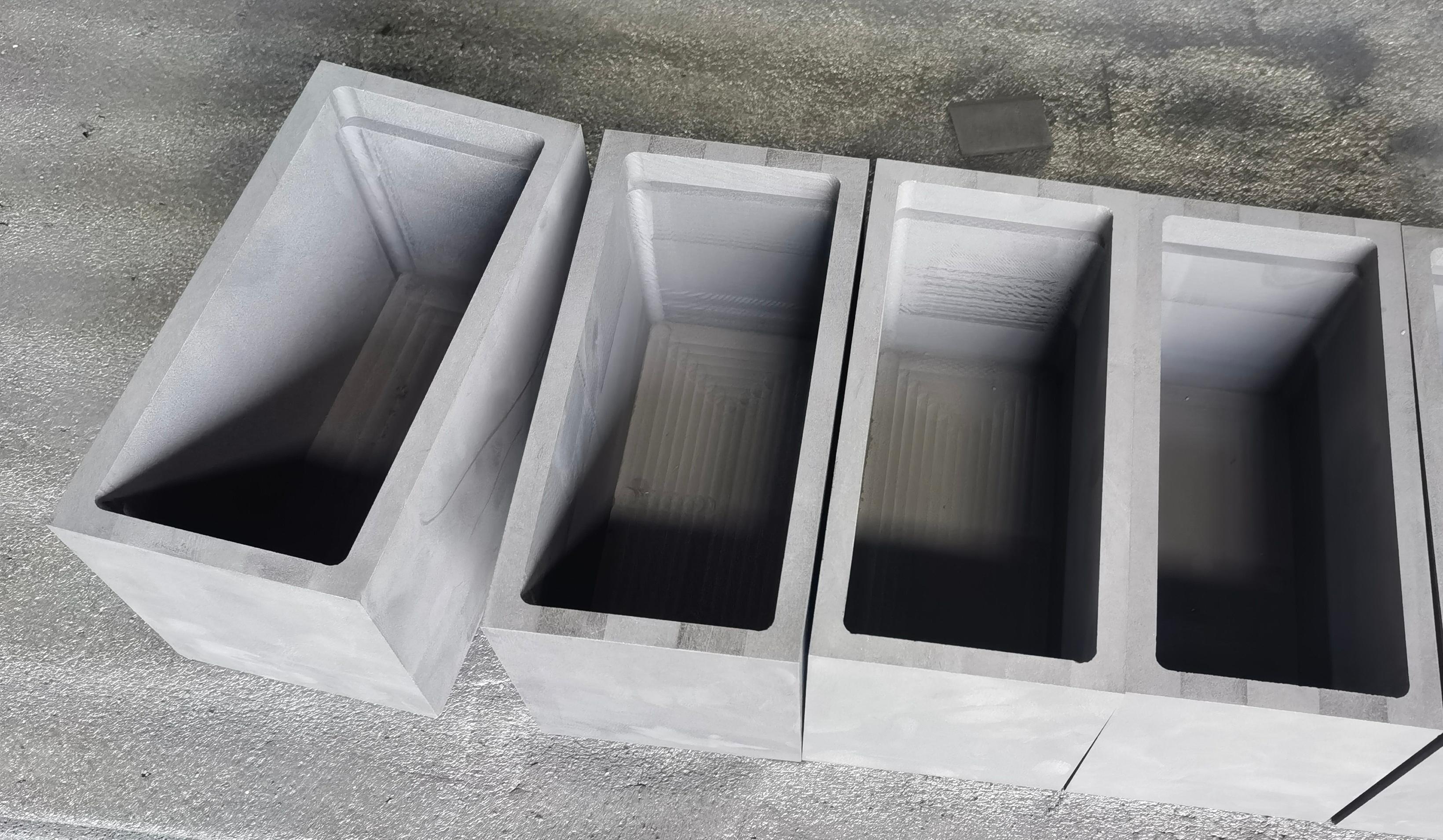
Graphite boats are specialized containers primarily used in high-temperature applications such as metal casting, sintering, and crystal growth. These boats are crafted from high-purity graphite, which is renowned for its excellent thermal conductivity, resistance to thermal shock, and high chemical stability. As industries continue to evolve, the demand for efficient and durable materials like graphite has surged, particularly in metallurgy and non-metal mineral products.
One of the primary advantages of using graphite boats is their ability to withstand extreme temperatures, often exceeding 3000°C in inert atmospheres. This characteristic makes them ideal for processes such as vacuum melting and high-temperature sintering. The thermal properties of graphite allow for uniform heating and efficient energy utilization, which enhances the overall performance of metallurgical processes.
The manufacturing of graphite boats involves several meticulous steps. Initially, high-quality graphite is selected and processed to remove impurities that could compromise the boat's integrity under high temperatures. The material is then shaped into the desired form through various methods, including molding or machining, followed by a firing process that enhances the structural density and thermal characteristics of the final product. This precision in manufacturing ensures that graphite boats meet the specific requirements of different applications.
In addition to their thermal stability, graphite boats exhibit excellent resistance to chemical reactions with various metals and compounds. This property is particularly beneficial in metallurgy, where the risk of contamination must be minimized to ensure the purity of the final product. The inert nature of graphite in high-temperature environments allows for prolonged use without degradation, making them a cost-effective solution for many industrial applications.
Furthermore, the lightweight nature of graphite boats contributes to their ease of handling and transportation within manufacturing environments. Their design can often be customized to fit specific equipment and processes, allowing for flexibility in various applications.
For professionals in the metallurgy and non-metal mineral sectors, understanding the properties and applications of graphite boats is crucial. As industries increasingly focus on efficiency and sustainability, the role of high-performance materials like graphite will continue to expand. By incorporating graphite boats into their operations, businesses can enhance their productivity and achieve superior results in their high-temperature applications.
In conclusion, the significance of graphite boats in various industrial applications cannot be overstated. Their unique properties and advantages make them indispensable tools in metallurgy and non-metal mineral production, paving the way for advancements in these fields.
One of the primary advantages of using graphite boats is their ability to withstand extreme temperatures, often exceeding 3000°C in inert atmospheres. This characteristic makes them ideal for processes such as vacuum melting and high-temperature sintering. The thermal properties of graphite allow for uniform heating and efficient energy utilization, which enhances the overall performance of metallurgical processes.
The manufacturing of graphite boats involves several meticulous steps. Initially, high-quality graphite is selected and processed to remove impurities that could compromise the boat's integrity under high temperatures. The material is then shaped into the desired form through various methods, including molding or machining, followed by a firing process that enhances the structural density and thermal characteristics of the final product. This precision in manufacturing ensures that graphite boats meet the specific requirements of different applications.
In addition to their thermal stability, graphite boats exhibit excellent resistance to chemical reactions with various metals and compounds. This property is particularly beneficial in metallurgy, where the risk of contamination must be minimized to ensure the purity of the final product. The inert nature of graphite in high-temperature environments allows for prolonged use without degradation, making them a cost-effective solution for many industrial applications.
Furthermore, the lightweight nature of graphite boats contributes to their ease of handling and transportation within manufacturing environments. Their design can often be customized to fit specific equipment and processes, allowing for flexibility in various applications.
For professionals in the metallurgy and non-metal mineral sectors, understanding the properties and applications of graphite boats is crucial. As industries increasingly focus on efficiency and sustainability, the role of high-performance materials like graphite will continue to expand. By incorporating graphite boats into their operations, businesses can enhance their productivity and achieve superior results in their high-temperature applications.
In conclusion, the significance of graphite boats in various industrial applications cannot be overstated. Their unique properties and advantages make them indispensable tools in metallurgy and non-metal mineral production, paving the way for advancements in these fields.
Contact Us
E-mail:
Phone/WhatsApp:
+86 15711363051
Address:
Xingchuang International C912, Xinya Street No.15, Daxing District, Beijing, China



Contact
TEL: +8615711363051
EMAIL: sales@topflymaterial.com
ADD: Xingchuang International C912, Xinya Street No.15, Daxing District, Beijing, China