
High Purity Graphite: A Key Component in Advanced Manufacturing
Mar 22,2026
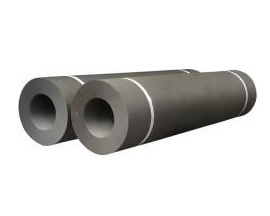
High Purity Graphite: A Key Component in Advanced Manufacturing
Introduction to High Purity Graphite
High purity graphite is a form of carbon that has been refined to eliminate impurities, yielding a material that exhibits remarkable electrical and thermal conductivity, high resistance to temperature, and chemical inertness. These properties make it invaluable across various sectors, particularly in advanced manufacturing. As industries evolve, the demand for high-quality materials like high purity graphite continues to surge, driving innovations and enhancing production processes.
The Unique Properties of High Purity Graphite
High purity graphite’s strength lies in its exceptional properties, which include:
1. Superior Electrical Conductivity
Graphite is among the best electrical conductors, making it ideal for applications in batteries, electrodes, and various electronic components. Its ability to conduct electricity efficiently contributes significantly to the energy efficiency of devices.
2. Excellent Thermal Conductivity
High purity graphite excels in heat management, which is critical in applications where temperature control is paramount. Its thermal conductivity ensures efficient heat dissipation, enhancing the performance and lifespan of electronic devices and machinery.
3. Chemical Inertness
This material is highly resistant to chemical reactions, making it suitable for use in harsh environments where corrosive substances are present. Industries such as chemical processing benefit greatly from this property.
4. High Temperature Resistance
High purity graphite can withstand extreme temperatures, making it an essential component in applications like aerospace and nuclear energy, where materials are subjected to intense heat.
Applications of High Purity Graphite in Advanced Manufacturing
The versatility of high purity graphite has led to its widespread adoption in various industries. Here are some of the key applications:
1. Aerospace and Defense
In aerospace, high purity graphite is used in components that require lightweight yet strong materials. Its ability to withstand high temperatures and resist chemical corrosion makes it ideal for rocket components and thermal protection systems.
2. Electronics and Electrical Components
High purity graphite is essential in the manufacturing of batteries, capacitors, and superconductors. Its superior conductivity enhances performance and energy efficiency in electrical devices, contributing to the development of next-generation technologies.
3. Automotive Industry
The automotive sector employs high purity graphite in electric vehicle (EV) batteries and as a lubricant in engines. Its properties improve energy efficiency and reduce wear, leading to longer-lasting components.
4. Renewable Energy Solutions
In renewable energy applications, high purity graphite is used in solar cells and fuel cells. Its efficiency and performance increase the overall energy output of these systems, making them more viable for sustainable energy solutions.
5. Manufacturing of High-Performance Materials
High purity graphite is a key ingredient in producing advanced materials, such as composite materials and specialty coatings. These applications require materials that can perform under extreme conditions, making graphite an ideal choice.
The Production Process of High Purity Graphite
The journey of transforming natural graphite into high purity graphite involves several meticulous steps:
1. Mining and Initial Processing
Natural graphite is mined and then processed to remove impurities. This initial step may involve crushing, grinding, and flotation to separate the graphite from other minerals.
2. Purification Techniques
The purification process typically employs chemical methods, including acid treatment, to eliminate remaining impurities. The aim is to achieve a purity level that meets the stringent requirements of advanced manufacturing.
3. Sintering and Shaping
After purification, the graphite undergoes sintering, where it is compacted and heated to form solid shapes. This step enhances the material’s density and mechanical strength.
4. Final Quality Assessment
Quality control processes are essential to ensure that the high purity graphite meets industry standards. This involves rigorous testing for electrical and thermal conductivity, purity levels, and physical properties.
Sustainability and Environmental Impact
As industries become more environmentally conscious, the production and use of high purity graphite are evolving to meet sustainability goals. The following aspects highlight its role in sustainable practices:
1. Resource Efficiency
High purity graphite can be sourced from natural deposits or synthesized from petroleum coke, ensuring a stable supply chain. The efficient use of resources contributes to reduced environmental impact.
2. Recycling Potential
Graphite is recyclable, allowing used materials to be repurposed for new applications. This reduces waste and encourages a circular economy, aligning with global sustainability efforts.
3. Low Environmental Footprint
When produced responsibly, high purity graphite can have a lower environmental footprint compared to other materials. Its longevity and efficiency contribute to reducing energy consumption over time.
Future Trends in High Purity Graphite Usage
Looking ahead, the demand for high purity graphite is expected to grow significantly, driven by technological advancements and emerging applications. Several trends are shaping its future:
1. Advancements in Battery Technology
With the rise of electric vehicles and renewable energy storage, high purity graphite’s role in battery technology is becoming increasingly crucial. Research into new anode materials and enhanced energy densities will continue to propel the demand.
2. Growth in the Semiconductor Industry
As electronics become smaller and more powerful, the semiconductor industry is exploring high purity graphite for its potential in heat sinks and other components. This trend could redefine efficiency standards in electronics.
3. Innovations in Composite Materials
The development of lightweight, high-performance composites using high purity graphite is gaining traction. This will open new avenues in aerospace, automotive, and construction industries, leading to lighter and more efficient structures.
4. Increased Focus on Sustainability
The emphasis on sustainable materials in manufacturing will drive innovations in graphite production and recycling methods, ensuring that high purity graphite remains a cornerstone of eco-friendly practices.
FAQs about High Purity Graphite
1. What is high purity graphite, and why is it important?
High purity graphite is a refined form of graphite with minimal impurities. It is crucial for advanced manufacturing due to its excellent electrical and thermal conductivity, chemical inertness, and high temperature resistance.
2. How is high purity graphite produced?
The production involves mining natural graphite, followed by purification processes that may include acid treatment, sintering, and quality assessment to achieve high purity levels.
3. What industries utilize high purity graphite?
High purity graphite is used in aerospace, electronics, automotive, renewable energy, and various manufacturing sectors where high performance and efficiency are required.
4. Can high purity graphite be recycled?
Yes, high purity graphite can be recycled, contributing to sustainability efforts by repurposing used materials for new applications, thus reducing waste.
5. What are the future prospects for high purity graphite?
The demand for high purity graphite is expected to grow, especially in battery technology, semiconductors, and composite materials, driven by technological advancements and sustainability initiatives.
Conclusion
In conclusion, high purity graphite is more than just a material; it is a crucial component driving innovation in advanced manufacturing. Its unique properties make it indispensable across various industries, from aerospace to renewable energy. As we look to the future, the continued development and sustainability of high purity graphite will play a pivotal role in shaping technology and manufacturing practices. By embracing the potential of high purity graphite, industries can enhance efficiency, promote sustainability, and ultimately pave the way for a more innovative future.
Contact Us
E-mail:
Phone/WhatsApp:
+86 15711363051
Address:
Xingchuang International C912, Xinya Street No.15, Daxing District, Beijing, China



Contact
TEL: +8615711363051
EMAIL: sales@topflymaterial.com
ADD: Xingchuang International C912, Xinya Street No.15, Daxing District, Beijing, China