

Feb 02,2026
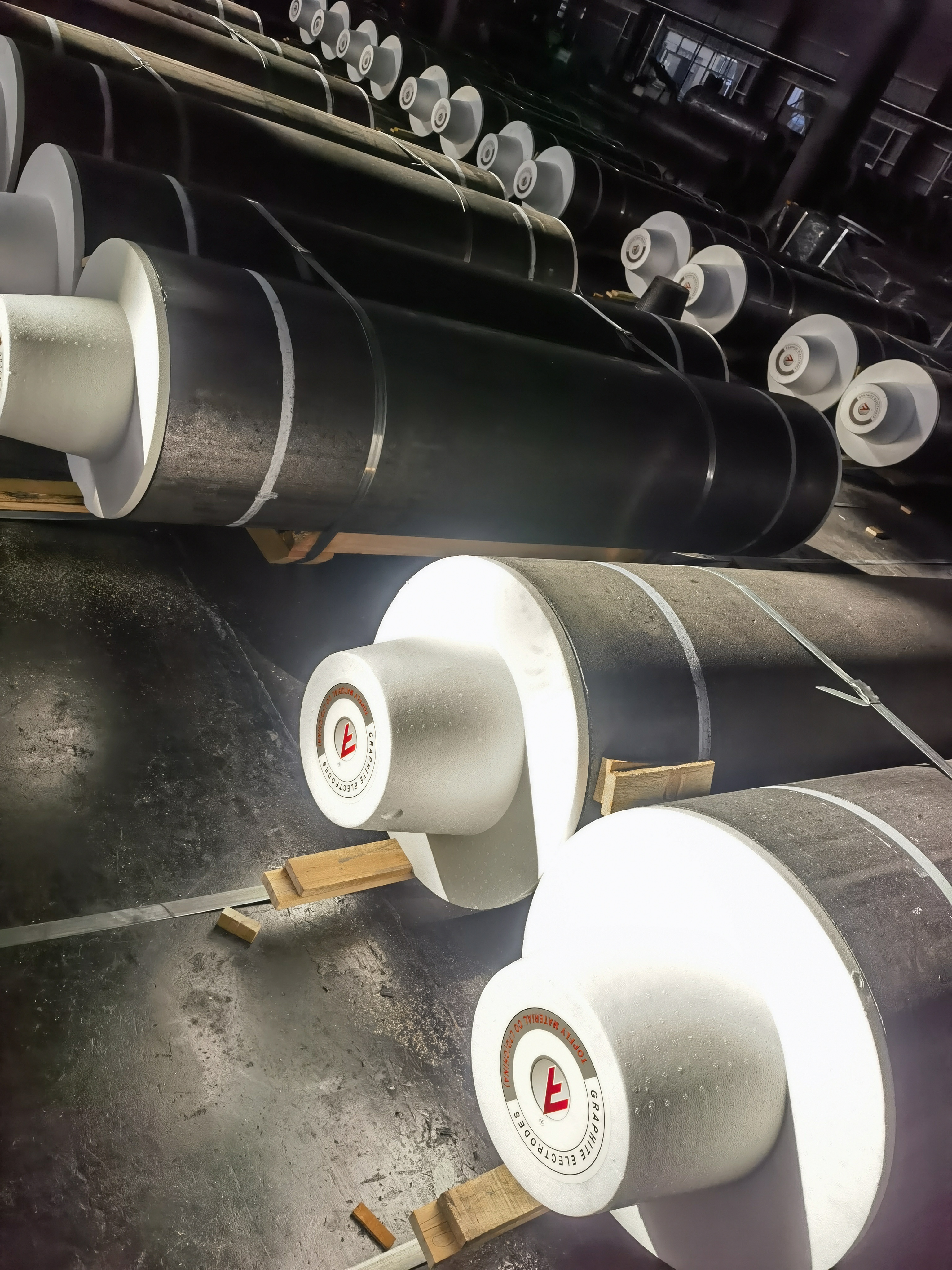
The Role of Graphite Electrode in Enhancing Energy Efficiency
The Role of Graphite Electrode in Enhancing Energy Efficiency Table of Contents 1. Introduction to Graphite Electrodes 2. Understanding Energy Efficiency in Industries 3. The Properties of Graphite Electrodes 3.1 Electrical Conductivity 3.2 Thermal Management 3.3 Mechanical Strength 4. Applications of Graphite Electrodes in Energy-Efficient Processes 4.1 Electric Arc Furnaces 4

Feb 09,2026
What Is Calcined Petroleum Coke and Why It Is Used in Steelmaking
This article explains the role of Calcined Petroleum Coke (CPC) as a critical carbon raiser in steelmaking. It details how CPC is produced by calcining green petroleum coke at high temperatures to achieve high fixed carbon (>98%), low sulfur/ash, and excellent stability. The piece highlights CPC’s advantages—such as fast carbon absorption, consistent composition, and reduced impurities—which help steel plants control carbon levels, improve furnace efficiency, and ensure final steel quality. It also compares CPC favorably to other carbon materials and outlines key buying considerations (fixed carbon, sulfur, particle size, supplier reliability). The conclusion reaffirms CPC as a proven, high-performance industrial solution for modern steel production.
Feb 02,2026
Artificial Graphite Powder in Steelmaking: Performance, Purity & Cost Efficiency
This article examines the critical role of Artificial Graphite Powder in producing high-quality and alloy steels. It details its key advantages—ultra-high carbon purity (99.5%-99.9%), very low sulfur/ash content, rapid dissolution in molten metal, and excellent electrical conductivity—which optimize smelting and enhance final steel properties. A direct comparison with Calcined Petroleum Coke (CPC) and Graphitized Petroleum Coke (GPC) highlights Graphite's superior performance for premium applications. While acknowledging its higher initial cost, the summary emphasizes its long-term cost-effectiveness through improved steel quality, reduced scrap, and greater process efficiency. The piece concludes with guidance on selecting the right carbon additive based on specific steelmaking needs and includes an FAQ section addressing common practical questions.

Feb 02,2026
Best Carbon Raiser for Steelmaking: CPC, Artificial Graphite, or Petroleum Coke?
This article provides a detailed comparison of the three main carbon raisers used in steelmaking—Calcined Petroleum Coke (CPC), Artificial Graphite, and Green Petroleum Coke (GPC). It evaluates their key properties (fixed carbon, sulfur content, absorption rate, stability, and cost) and typical applications. CPC is highlighted as the industry standard for balancing performance and cost, Artificial Graphite is recommended for high-purity and specialty steel production, while GPC is primarily a raw material or low-end option. The summary underscores that the optimal choice depends on steel grade, furnace type, and budget, and emphasizes the importance of partnering with a reliable manufacturer for consistent quality and supply stability.

Feb 02,2026
What is Green Petroleum Coke (GPC) and How Is It Used in Steelmaking?
Introduction: Understanding Green Petroleum Coke (GPC) Green Petroleum Coke (GPC) is a vital carbon-rich material derived from the coking of petroleum residues during oil refining. It plays a significant role as a carbon raiser in various industrial processes, with steelmaking being one of its most crucial applications. GPC is primarily used to increase the carbon content in molten steel, making it an essential ingredient in achieving the desired strength, hardness, and other mechanical properties in steel. In this article, we'll delve deeper into GPC, its benefits, and its critical role in steelmaking, along with a comparison to other carbon additives such as CPC and Artificial Graphite.

Feb 02,2026
CPC vs Green Petroleum Coke:Key Differences in Steelmaking Industry
Feb 01,2026
The Essential Guide to High Purity Graphite: Unleashing Its Potential in Metallurgy and Energy
High purity graphite is a critical material in various industries, particularly in metallurgy and energy applications. Defined as graphite with a carbon content greater than 99.9%, high purity graphite is valued for its superior electrical conductivity, thermal stability, and chemical inertness. These properties make it an indispensable component in numerous applications, including batteries, fuel
Jan 31,2026
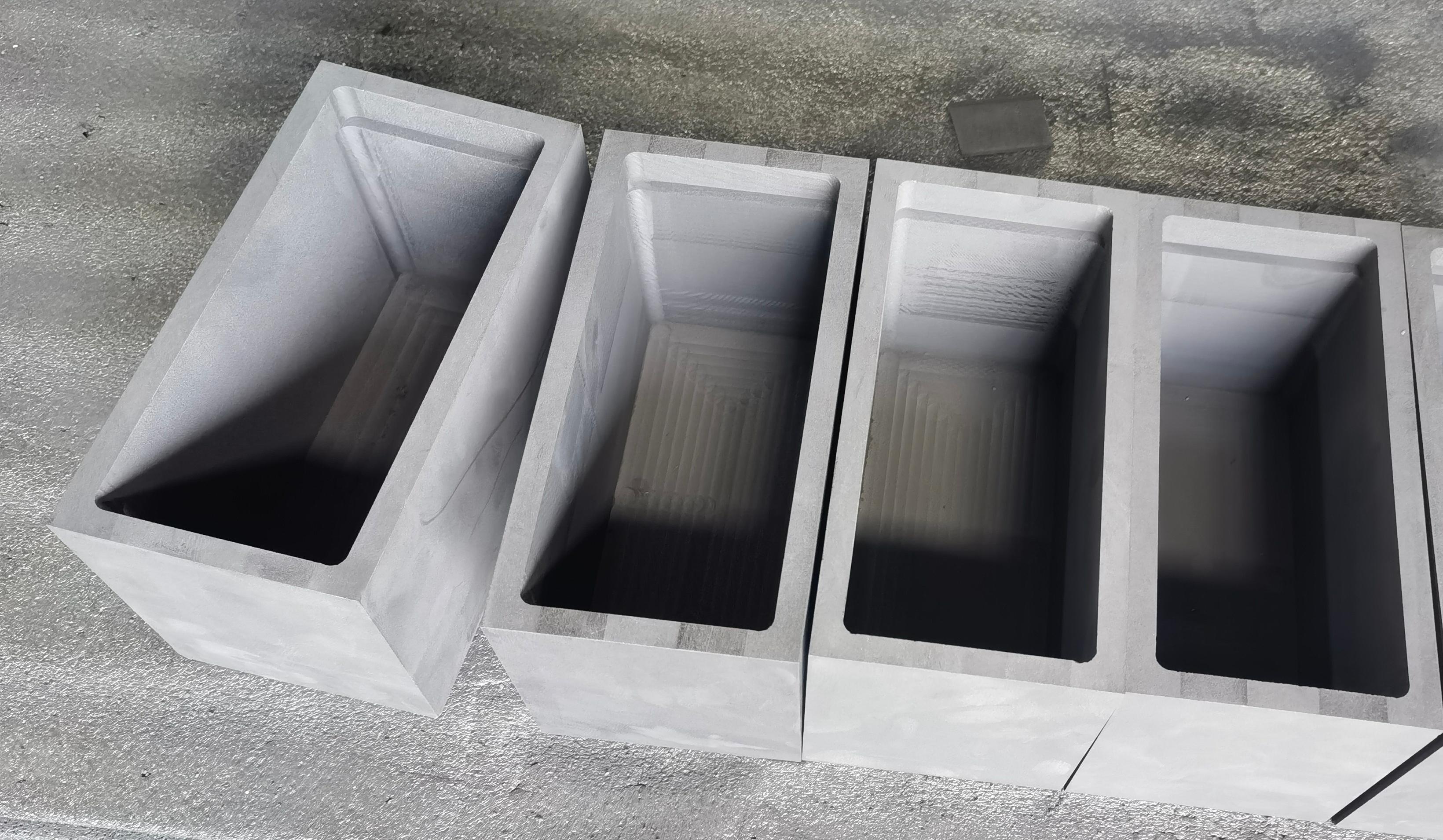
The Advantages of Using Graphite Boats in Non-Metallic Mineral Products
The Advantages of Using Graphite Boats in Non-Metallic Mineral Products Introduction to Graphite Boats In today’s industrial landscape, the demand for innovative materials that enhance production efficiency and product quality is ever-growing. One such material that has gained significant attention is **graphite**—specifically, **graphite boats**. These specialized tools are increasingly being uti
Jan 30,2026
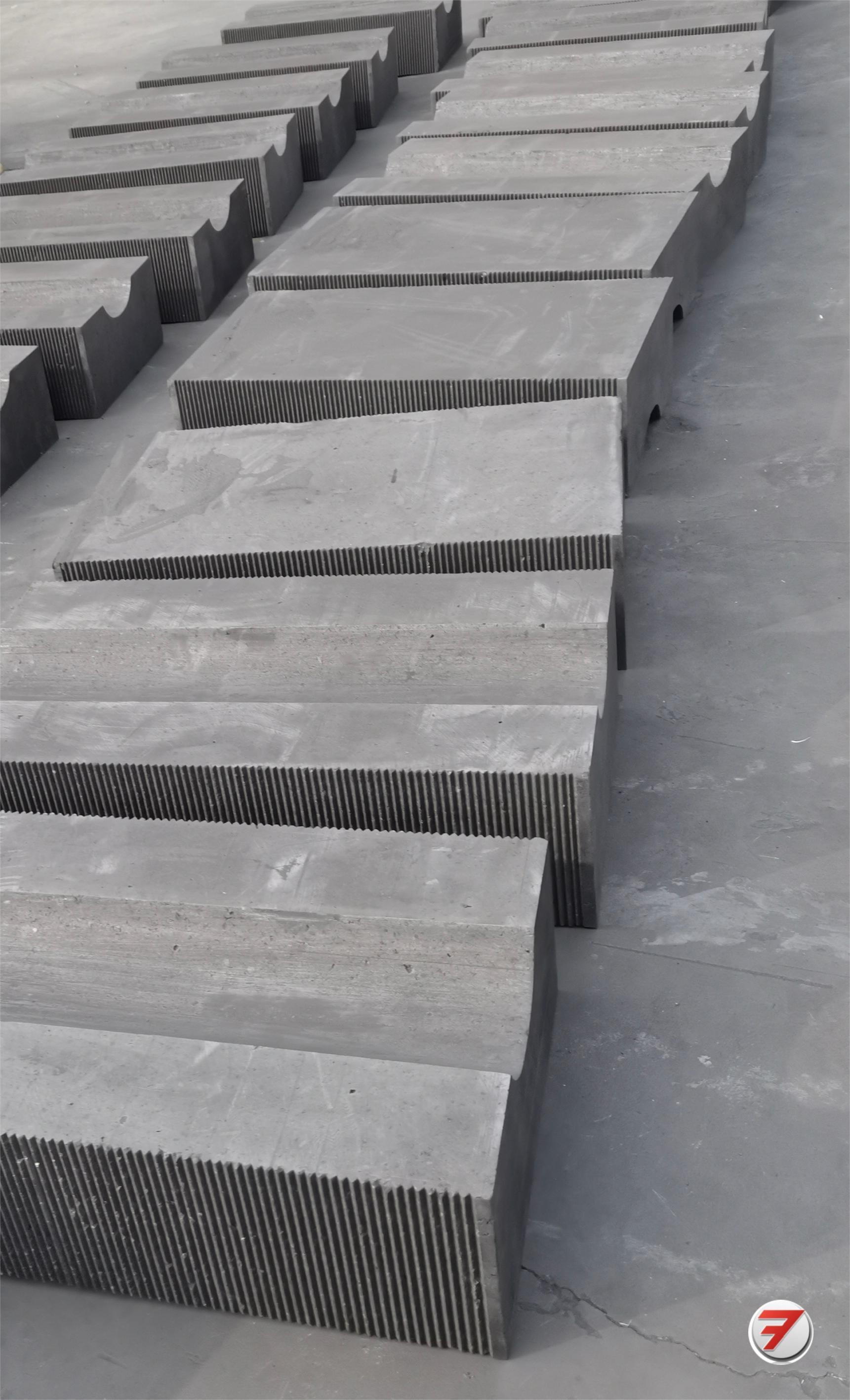
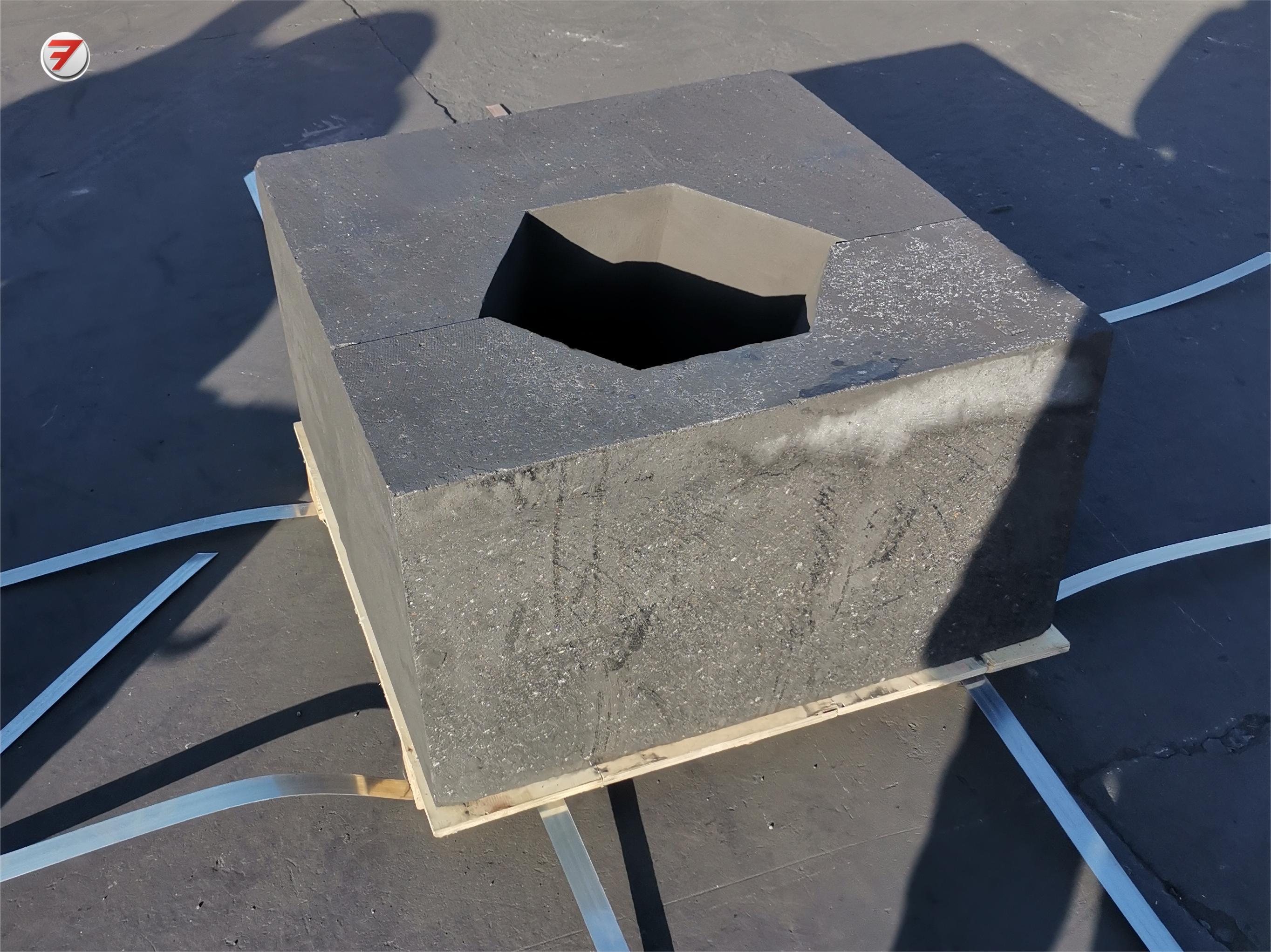
Understanding Graphite Blocks: Key Features and Applications in Metallurgy
Graphite blocks are a vital component in various industries, particularly in metallurgy, where their unique properties provide significant advantages. Known for their excellent thermal and electrical conductivity, graphite blocks serve multiple purposes, ranging from electrodes in electric arc furnaces to components in high-temperature applications. Their ability to withstand extreme temperatures
Jan 29,2026
Why Molded Graphite is Essential for Energy Applications
Why Molded Graphite is Essential for Energy Applications Table of Contents 1. Introduction to Molded Graphite 2. The Unique Properties of Molded Graphite 2.1 High Thermal Conductivity 2.2 Excellent Mechanical Strength 2.3 Superior Chemical Resistance 3. Applications of Molded Graphite in the Energy Sector 3.1 Fuel Cells and Batteries 3.2 Heat Exchangers 3.3 Nuclear Energy 4.
Contact Us
E-mail:
Phone/WhatsApp:
+86 15711363051
Address:
Xingchuang International C912, Xinya Street No.15, Daxing District, Beijing, China



Contact
TEL: +8615711363051
EMAIL: sales@topflymaterial.com
ADD: Xingchuang International C912, Xinya Street No.15, Daxing District, Beijing, China