
Why Molded Graphite is Essential for Energy Applications
Jan 29,2026
Why Molded Graphite is Essential for Energy Applications
Table of Contents
1. Introduction to Molded Graphite
2. The Unique Properties of Molded Graphite
2.1 High Thermal Conductivity
2.2 Excellent Mechanical Strength
2.3 Superior Chemical Resistance
3. Applications of Molded Graphite in the Energy Sector
3.1 Fuel Cells and Batteries
3.2 Heat Exchangers
3.3 Nuclear Energy
4. Benefits of Using Molded Graphite
4.1 Enhanced Efficiency
4.2 Longevity and Durability
4.3 Cost-Effectiveness
5. Future Trends in Molded Graphite for Energy Applications
5.1 Innovations in Material Science
5.2 Increased Adoption in Renewable Energy
6. Conclusion
7. FAQs
1. Introduction to Molded Graphite
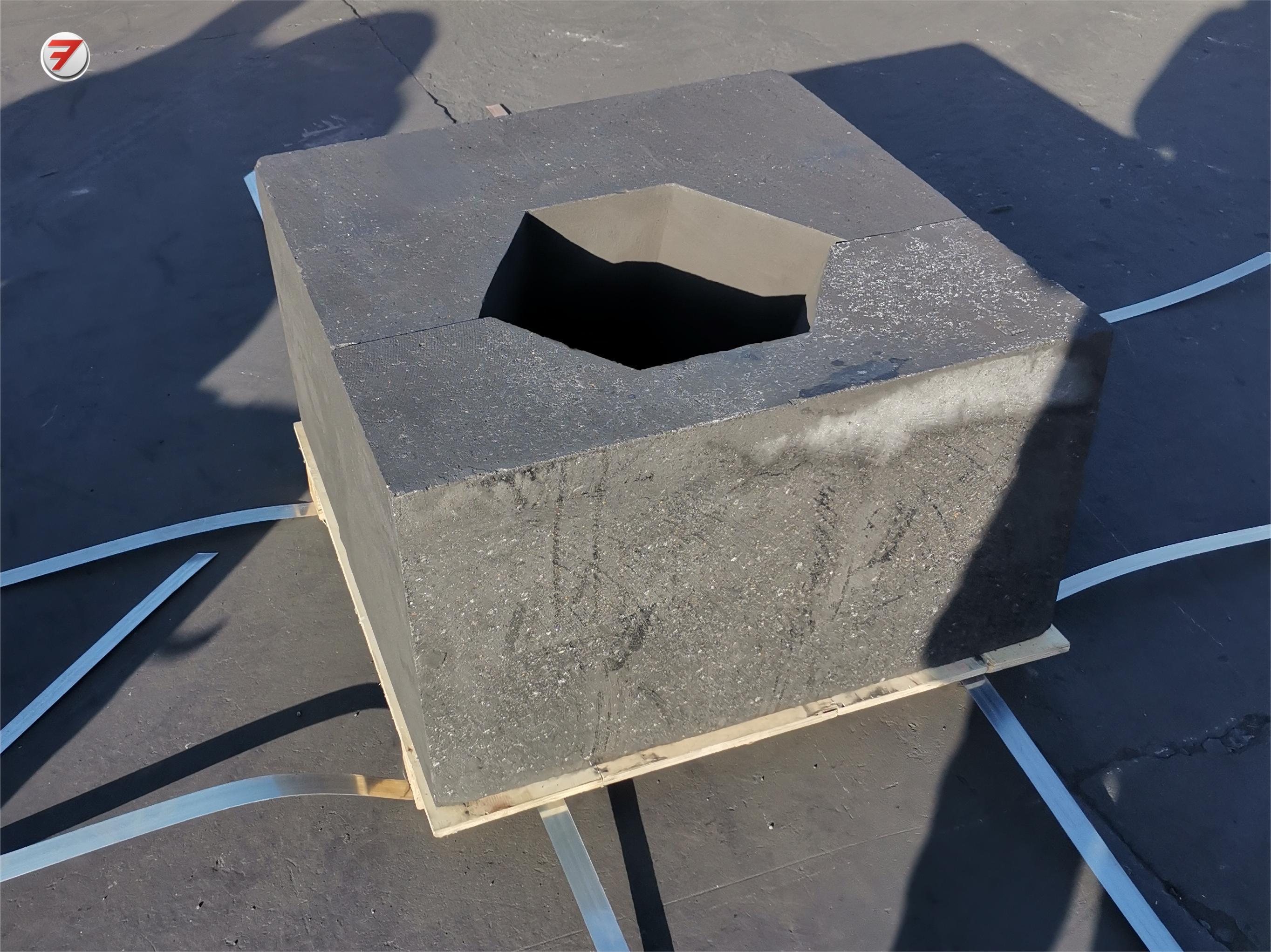
Molded graphite is a specialized form of graphite that is shaped and cured in molds, resulting in components that possess a unique set of properties. This versatile material is particularly significant in the energy sector due to its ability to withstand extreme conditions while maintaining performance. As industries seek more efficient and sustainable energy solutions, molded graphite emerges as a critical player in driving innovation.
2. The Unique Properties of Molded Graphite
Molded graphite is celebrated for its exceptional characteristics, making it an ideal choice for various energy applications. Understanding these properties is essential for appreciating why it is indispensable in modern energy systems.
2.1 High Thermal Conductivity
Molded graphite boasts superior thermal conductivity, which is crucial for effective heat management in energy applications. This property allows for rapid heat dissipation, reducing the risk of overheating and improving overall efficiency. Whether in batteries, fuel cells, or heat exchangers, high thermal conductivity ensures optimal performance and longevity.
2.2 Excellent Mechanical Strength
In addition to thermal properties, molded graphite exhibits remarkable mechanical strength. It can withstand high pressures and mechanical stresses, making it suitable for demanding applications. This durability ensures that components made from molded graphite can endure the rigors of energy production without compromising integrity.
2.3 Superior Chemical Resistance
Molded graphite also demonstrates excellent resistance to various chemicals, including acids and alkalis. This characteristic is particularly advantageous in energy applications where exposure to corrosive substances is common. With molded graphite, the risk of component degradation is significantly minimized, ensuring reliability and performance in challenging environments.
3. Applications of Molded Graphite in the Energy Sector
The unique properties of molded graphite make it suitable for numerous applications within the energy sector. Its versatility allows it to play a pivotal role in different technologies.
3.1 Fuel Cells and Batteries
Molded graphite is widely used in fuel cells and batteries due to its high conductivity and stability. In fuel cells, it serves as a bipolar plate, facilitating the efficient transfer of ions and electrons. In batteries, molded graphite enhances charge and discharge rates, improving overall energy storage capabilities. As the demand for alternative energy sources rises, the role of molded graphite in these technologies becomes increasingly critical.
3.2 Heat Exchangers
Heat exchangers are integral to many energy systems, and molded graphite's high thermal conductivity makes it an ideal material for these applications. Its ability to efficiently transfer heat allows for optimized thermal management, which is essential in both renewable and traditional energy systems. By utilizing molded graphite in heat exchangers, industries can improve energy efficiency and reduce operational costs.
3.3 Nuclear Energy
In the nuclear energy sector, molded graphite is utilized in reactor cores due to its ability to withstand extreme temperatures and radiation. The material’s stability and durability ensure the safe operation of nuclear reactors. Additionally, molded graphite is used in the construction of neutron moderators, enhancing the efficiency of the nuclear fission process. As the world seeks cleaner energy alternatives, molded graphite's role in nuclear energy remains vital.
4. Benefits of Using Molded Graphite
The adoption of molded graphite in energy applications offers a myriad of benefits that contribute to improved performance and sustainability.
4.1 Enhanced Efficiency
The high thermal conductivity of molded graphite leads to greater energy efficiency in various applications. By ensuring effective heat management, molded graphite components help to optimize energy consumption and reduce waste. This efficiency is crucial in an era where energy conservation is paramount.
4.2 Longevity and Durability
Components made from molded graphite are designed to last. Its exceptional mechanical strength and chemical resistance contribute to a longer lifespan, minimizing the need for frequent replacements. This durability not only lowers maintenance costs but also enhances overall operational efficiency.
4.3 Cost-Effectiveness
While the initial investment in molded graphite components may be higher than traditional materials, the long-term savings are significant. The durability and efficiency of molded graphite lead to reduced operational and maintenance costs, making it a cost-effective solution in the long run.
5. Future Trends in Molded Graphite for Energy Applications
As industries continue to evolve, the future of molded graphite in energy applications looks promising. Several trends are shaping its development and integration into new technologies.
5.1 Innovations in Material Science
Ongoing research and innovation in material science are driving advancements in molded graphite. New formulations and manufacturing techniques are enhancing its properties, making it even more effective in energy applications. These innovations will likely lead to the development of specialized graphite grades tailored for specific energy needs.
5.2 Increased Adoption in Renewable Energy
With a global push towards renewable energy sources, molded graphite's adoption is expected to rise. Its efficiency and durability make it a suitable candidate for various renewable technologies, including solar and wind energy systems. As industries seek to optimize performance and sustainability, molded graphite will play a crucial role in the transition to greener energy solutions.
6. Conclusion
Molded graphite is undeniably essential for energy applications, offering a unique combination of properties that enhance efficiency, durability, and cost-effectiveness. As the energy sector continues to evolve, the demand for innovative materials like molded graphite will only increase. By understanding and leveraging the benefits of molded graphite, industries can pave the way for a more sustainable energy future.
7. FAQs
What is molded graphite?
Molded graphite is a specially processed form of graphite that is shaped in molds, resulting in components with high thermal conductivity, mechanical strength, and chemical resistance.
Why is molded graphite important for energy applications?
Molded graphite is crucial for energy applications due to its ability to efficiently manage heat, resist harsh conditions, and enhance the performance of technologies like fuel cells and batteries.
How does molded graphite improve energy efficiency?
Molded graphite improves energy efficiency by providing high thermal conductivity, which allows for better heat management and reduced energy waste in various applications.
What industries benefit from molded graphite?
Industries such as renewable energy, nuclear energy, and battery manufacturing significantly benefit from molded graphite due to its unique properties and performance capabilities.
What are the future trends for molded graphite in energy?
Future trends include innovations in material science to enhance molded graphite properties and increased adoption in renewable energy technologies, supporting the transition to a sustainable energy landscape.
Contact Us
E-mail:
Phone/WhatsApp:
+86 15711363051
Address:
Xingchuang International C912, Xinya Street No.15, Daxing District, Beijing, China



Contact
TEL: +8615711363051
EMAIL: sales@topflymaterial.com
ADD: Xingchuang International C912, Xinya Street No.15, Daxing District, Beijing, China