
The Advantages of Using Graphite Boats in Non-Metallic Mineral Products
Jan 31,2026
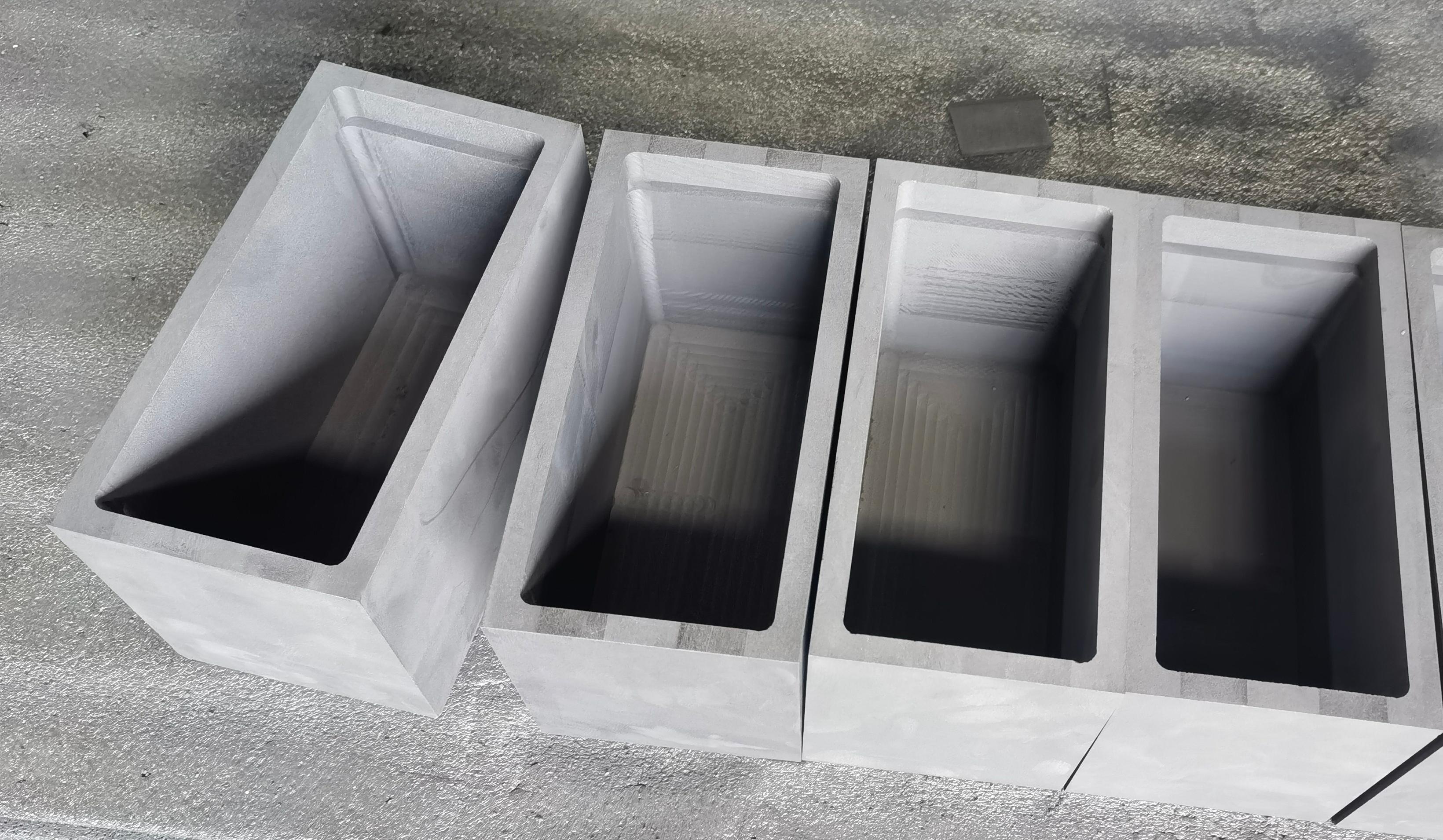
The Advantages of Using Graphite Boats in Non-Metallic Mineral Products
Introduction to Graphite Boats
In today’s industrial landscape, the demand for innovative materials that enhance production efficiency and product quality is ever-growing. One such material that has gained significant attention is **graphite**—specifically, **graphite boats**. These specialized tools are increasingly being utilized in various sectors, particularly in the realm of **non-metallic mineral products**. This article delves into the multitude of advantages offered by graphite boats, illustrating why they have become essential in modern manufacturing processes.
Understanding Non-Metallic Mineral Products
Before diving into the advantages of graphite boats, it is crucial to understand what non-metallic mineral products entail. These products primarily consist of minerals that do not contain significant amounts of metals. They include materials such as:
- **Clay**
- **Limestone**
- **Silica**
- **Gypsum**
- **Barite**
These minerals are widely used across various industries, including construction, ceramics, and pharmaceuticals. The processing of these minerals often requires specialized equipment capable of withstanding extreme conditions—this is where graphite boats come into play.
Why Choose Graphite for Industrial Applications?
Graphite is a unique material known for its remarkable properties. Its utilization in manufacturing processes, particularly in handling non-metallic minerals, is attributed to several key characteristics:
1. High Thermal Stability
Graphite boats exhibit exceptional thermal stability, maintaining their structural integrity even at elevated temperatures. This property is essential for processes such as sintering and melting, where materials are subjected to intense heat. The ability of graphite to withstand thermal shock ensures that the processing of non-metallic minerals remains consistent and reliable.
2. Chemical Resistance
One of the standout qualities of graphite is its **inherent chemical resistance**. In environments where various acids, bases, and other corrosive substances are present, graphite boats can endure without degrading. This durability not only extends the lifespan of the equipment but also reduces the need for frequent replacements, ultimately saving costs.
3. Lightweight and Strong
Graphite is known for its **lightweight nature**, making it easier to handle and transport. Despite its lightness, graphite is also incredibly strong, offering excellent mechanical properties. This combination enables manufacturers to design efficient systems that do not compromise on durability.
Enhanced Performance in Non-Metallic Mineral Processing
The unique attributes of graphite boats contribute significantly to the performance of non-metallic mineral processing. Several advantages stand out:
1. Improved Efficiency
Utilizing graphite boats can lead to enhanced efficiency in production processes. The high thermal conductivity of graphite ensures optimal heat distribution, which can accelerate processing times. As a result, manufacturers can achieve higher output rates without compromising on quality.
2. Cost-Effectiveness
While the initial investment in graphite boats may be higher than alternatives, the long-term benefits far outweigh these costs. The durability and longevity of graphite boats reduce maintenance and replacement costs, ultimately contributing to a lower total cost of ownership.
3. Superior Quality of End Products
Graphite boats provide a stable environment for the processing of non-metallic minerals, ensuring consistent quality in the final products. The ability to maintain uniform temperatures and resist chemical interactions contributes to the production of higher-quality materials.
Applications of Graphite Boats in Various Industries
The versatility of graphite boats allows them to be utilized across multiple industries that require non-metallic mineral processing. Some of these applications include:
1. Ceramics Manufacturing
In the ceramics industry, graphite boats are used for firing ceramic materials. Their ability to withstand high temperatures without deformation makes them ideal for this application.
2. Glass Production
Graphite boats are employed in the glass production process, where they facilitate the melting of raw materials. Their high thermal stability ensures that the molten glass retains its quality throughout the process.
3. Pharmaceuticals
In pharmaceutical manufacturing, graphite boats can be used to process mineral-based excipients. Their chemical resistance is invaluable in this sector, ensuring that the ingredients remain uncontaminated.
4. Construction Materials
Graphite boats are increasingly being used in the production of construction materials, where their reliability and thermal properties contribute to the overall strength and durability of the products.
Environmental Considerations of Using Graphite Boats
With a growing emphasis on sustainability, the environmental impact of materials used in manufacturing processes is a significant consideration. Graphite boats offer several environmental advantages:
1. Recyclability
Graphite is a recyclable material, allowing for the reuse of graphite boats in various applications. This not only reduces waste but also minimizes the demand for raw materials.
2. Energy Efficiency
The high thermal efficiency of graphite boats contributes to energy savings during the manufacturing process. By maintaining optimal temperatures, they decrease energy consumption, supporting environmentally friendly practices.
Challenges and Considerations When Using Graphite Boats
Despite their numerous advantages, there are some challenges associated with the use of graphite boats that manufacturers need to consider:
1. Initial Cost Investment
The upfront cost of graphite boats can be higher than traditional materials. Manufacturers need to evaluate the long-term benefits against the initial investment to make informed decisions.
2. Handling and Maintenance Requirements
Graphite boats require careful handling to prevent damage. Proper training for staff on the handling and maintenance of these materials is essential to maximize their lifespan.
Future Trends in Graphite Boat Utilization
As industries evolve, so too does the role of graphite boats. Future trends may include:
1. Advanced Manufacturing Techniques
With the rise of advanced manufacturing technologies, such as 3D printing, graphite boats may be adapted for new applications, enhancing their versatility.
2. Increased Research and Development
Ongoing research into the properties of graphite could lead to new formulations and composite materials that further improve the performance and applications of graphite boats in various industries.
FAQs About Graphite Boats in Non-Metallic Mineral Products
1. What are graphite boats used for?
Graphite boats are primarily used in high-temperature applications for processing non-metallic minerals, such as ceramics, glass, and pharmaceuticals.
2. How do graphite boats compare to other materials?
Graphite boats offer superior thermal stability, chemical resistance, and durability compared to many traditional materials, making them ideal for demanding industrial applications.
3. Are graphite boats environmentally friendly?
Yes, graphite boats are recyclable and energy-efficient, contributing to more sustainable manufacturing practices.
4. What industries benefit most from graphite boats?
Industries such as ceramics, construction, glass production, and pharmaceuticals benefit significantly from using graphite boats.
5. What is the lifespan of graphite boats?
The lifespan of graphite boats can vary based on usage and handling, but their durability often leads to extended operational periods with proper care.
Conclusion
The advantages of using graphite boats in non-metallic mineral products are undeniable. From their exceptional thermal stability and chemical resistance to their cost-effectiveness and environmental benefits, graphite boats are transforming manufacturing processes across various industries. As we continue to seek innovative solutions for production challenges, the role of graphite will undoubtedly expand, leading to even greater efficiencies and advancements in non-metallic mineral processing. Embracing this material can pave the way for enhanced productivity and superior product quality, solidifying its importance in the future of industrial applications.
PREVIOUS:
Contact Us
E-mail:
Phone/WhatsApp:
+86 15711363051
Address:
Xingchuang International C912, Xinya Street No.15, Daxing District, Beijing, China



Contact
TEL: +8615711363051
EMAIL: sales@topflymaterial.com
ADD: Xingchuang International C912, Xinya Street No.15, Daxing District, Beijing, China