
The Environmental Impact of Using Molded Graphite in Manufacturing: A Comprehensive Analysis
Sep 13,2026
The Environmental Impact of Using Molded Graphite in Manufacturing
Table of Contents
- 1. Introduction to Molded Graphite
- 2. Understanding Graphite and Its Properties
- 3. The Manufacturing Process of Molded Graphite
- 4. The Environmental Impact of Molded Graphite
- 4.1. Carbon Footprint of Molded Graphite
- 4.2. Resource Depletion Concerns
- 4.3. Pollution and Waste Management
- 5. Sustainability Initiatives in Graphite Manufacturing
- 6. Benefits of Molded Graphite in Manufacturing
- 7. Regulatory Compliance and Environmental Standards
- 8. The Future Outlook for Molded Graphite and Environmental Impact
- 9. Frequently Asked Questions
- 10. Conclusion
1. Introduction to Molded Graphite
Molded graphite, a key material in various manufacturing processes, is renowned for its stability and high performance. This article aims to dissect the **environmental impact** of using molded graphite within the manufacturing sector. As industries increasingly prioritize sustainability, understanding the ecological footprint of materials like molded graphite is vital. In this exploration, we will assess both the negative consequences and the benefits associated with its use.
2. Understanding Graphite and Its Properties
Graphite is a naturally occurring form of carbon, distinguished by its unique crystalline structure. The properties that make graphite so valuable include its **high thermal conductivity**, **electrical conductivity**, and **resilience at high temperatures**. These characteristics contribute to its widespread application in manufacturing, particularly in sectors such as electronics, automotive, and aerospace.
2.1 The Different Types of Graphite
Graphite is classified into several types, including natural graphite, synthetic graphite, and molded graphite. Each type has distinct properties and applications:
- **Natural Graphite**: Extracted from the earth, natural graphite is used in applications ranging from lubricants to batteries.
- **Synthetic Graphite**: Manufactured from petroleum products, synthetic graphite is engineered for specific applications, particularly in high-performance environments.
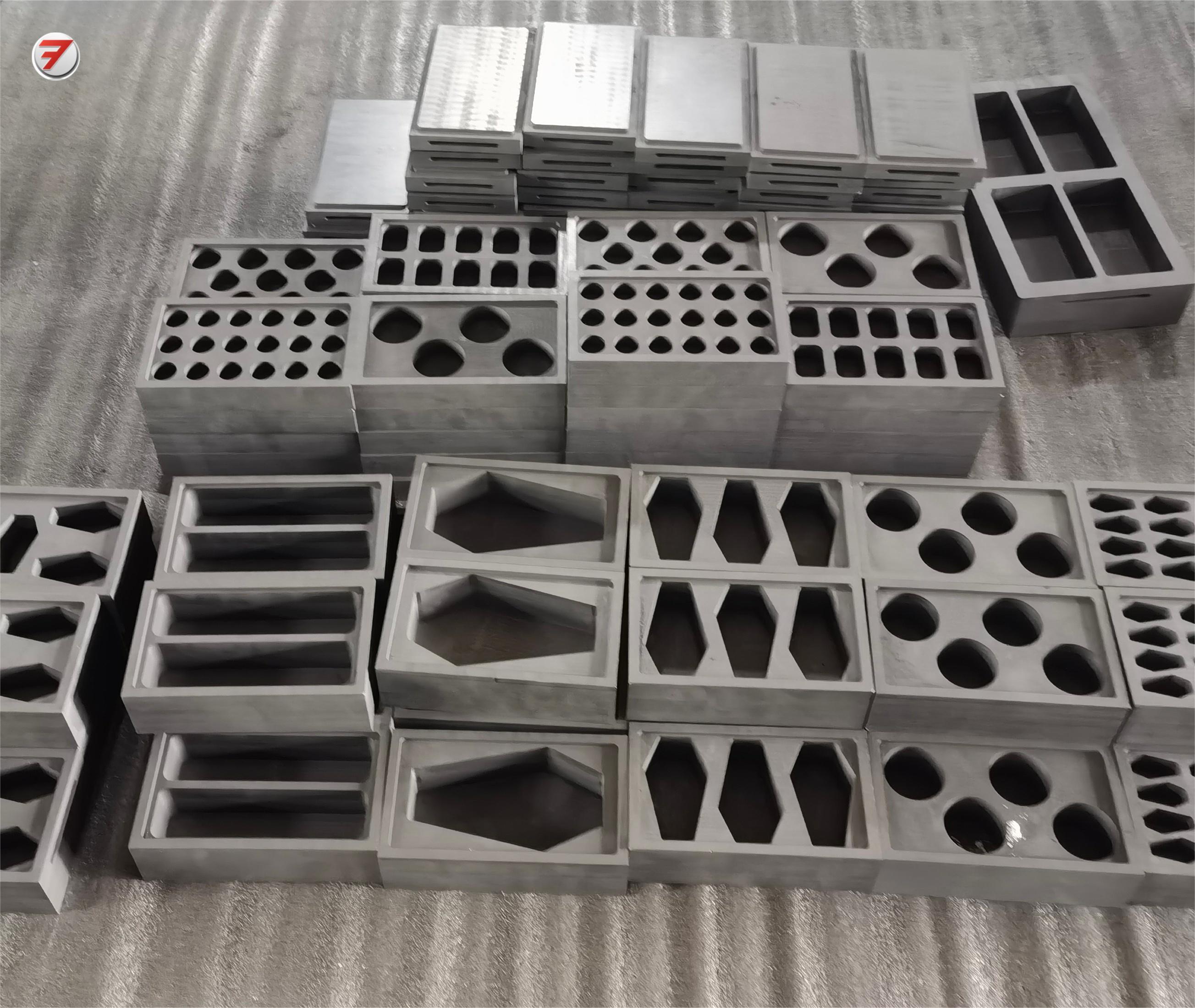
- **Molded Graphite**: A specific form of synthetic graphite, molded graphite is created through a process that allows for precise shapes and dimensions, making it invaluable for specialized manufacturing needs.
3. The Manufacturing Process of Molded Graphite
The process of creating molded graphite involves several steps:
1. **Material Selection**: High-quality petroleum coke is selected as the primary raw material.
2. **Crushing and Grinding**: The petroleum coke is crushed and ground into a fine powder.
3. **Mixing with Binders**: The powder is combined with binding agents to enhance the structural integrity of the final product.
4. **Molding**: The mixture is then shaped into molds to create products of various forms and sizes.
5. **Baking**: The molded components are subjected to high temperatures in a vacuum or inert environment to form a solid structure.
6. **Graphitization**: Finally, the material is heated to even higher temperatures to convert it into graphite, enhancing its desirable properties.
4. The Environmental Impact of Molded Graphite
The environmental implications of using molded graphite are multifaceted. It is essential to consider both the negative and positive aspects associated with its lifecycle.
4.1 Carbon Footprint of Molded Graphite
The production of molded graphite emits **carbon dioxide** and other greenhouse gases. The extraction of petroleum coke, a primary ingredient, also contributes to the carbon footprint. As industries strive to reduce emissions, the carbon intensity of molded graphite production needs careful examination.
4.2 Resource Depletion Concerns
The extraction of natural resources for graphite manufacturing raises concerns about the depletion of non-renewable resources. This challenge underscores the need for sustainable sourcing practices and recycling efforts to minimize the impact on natural reserves.
4.3 Pollution and Waste Management
Manufacturing processes produce waste materials that can lead to environmental contamination. Effective waste management strategies are critical to mitigate pollution risks associated with molded graphite production. Industries must ensure adherence to regulations that govern waste disposal and emissions.
5. Sustainability Initiatives in Graphite Manufacturing
Recognizing the environmental challenges, the graphite industry is increasingly adopting sustainability initiatives. These include:
- **Recycling Programs**: Implementing recycling processes for used graphite products can significantly reduce waste and resource depletion.
- **Cleaner Production Technologies**: Developing technologies that minimize emissions during the manufacturing process can enhance the sustainability of molded graphite.
- **Eco-friendly Sourcing**: Sourcing raw materials from sustainable, renewable suppliers is crucial for reducing environmental impact.
6. Benefits of Molded Graphite in Manufacturing
Despite the environmental concerns, molded graphite offers several benefits that cannot be overlooked:
- **High Performance**: Molded graphite products excel in high-temperature applications, providing reliability and efficiency.
- **Durability**: The strong structure and resistance to wear make molded graphite suitable for long-term use.
- **Electrical Conductivity**: Its ability to conduct electricity makes it invaluable in various electronic applications.
7. Regulatory Compliance and Environmental Standards
Compliance with environmental regulations is crucial for manufacturers using molded graphite. Various organizations, such as the Environmental Protection Agency (EPA), set standards that govern emissions and waste management. Adhering to these regulations not only ensures legal compliance but also promotes corporate responsibility and sustainable practices.
8. The Future Outlook for Molded Graphite and Environmental Impact
Looking ahead, the future of molded graphite in manufacturing hinges on balancing its benefits with environmental sustainability. Ongoing research and development efforts aim to enhance the ecological footprint of molded graphite products. Innovations in production processes and material sourcing can lead to a more sustainable future for this essential material.
9. Frequently Asked Questions
What is molded graphite?
Molded graphite is a specialized form of synthetic graphite created through high-temperature treatment of petroleum coke, shaped into precise molds for various industrial applications.
How does molded graphite impact the environment?
The environmental impact of molded graphite includes carbon emissions during production, resource depletion from raw material extraction, and waste management challenges associated with the manufacturing process.
Are there sustainable alternatives to molded graphite?
While molded graphite has unique properties, research is ongoing into alternative materials that may offer similar performance with a lower environmental impact.
What steps are manufacturers taking to reduce environmental impact?
Manufacturers are implementing recycling programs, adopting cleaner production technologies, and sourcing materials from eco-friendly suppliers to minimize their environmental footprint.
How can consumers ensure sustainable practices in graphite products?
Consumers can prioritize purchasing from companies committed to sustainability and transparency in their manufacturing processes, ensuring they support environmentally responsible practices.
10. Conclusion
The environmental impact of using molded graphite in manufacturing is complex and multifaceted. While it offers significant advantages in various industrial applications, it also poses challenges that must be addressed to ensure sustainability. By embracing eco-friendly practices, innovative technologies, and regulatory compliance, the industry can work towards a future where the benefits of molded graphite can be enjoyed without compromising the environment. Understanding these dynamics will be critical in shaping the future of molded graphite and its role in a sustainable manufacturing landscape.
Contact Us
E-mail:
Phone/WhatsApp:
+86 15711363051
Address:
Xingchuang International C912, Xinya Street No.15, Daxing District, Beijing, China



Contact
TEL: +8615711363051
EMAIL: sales@topflymaterial.com
ADD: Xingchuang International C912, Xinya Street No.15, Daxing District, Beijing, China