
The Essential Role of Graphite Blocks in Metallurgy and Energy Industries
Sep 14,2026
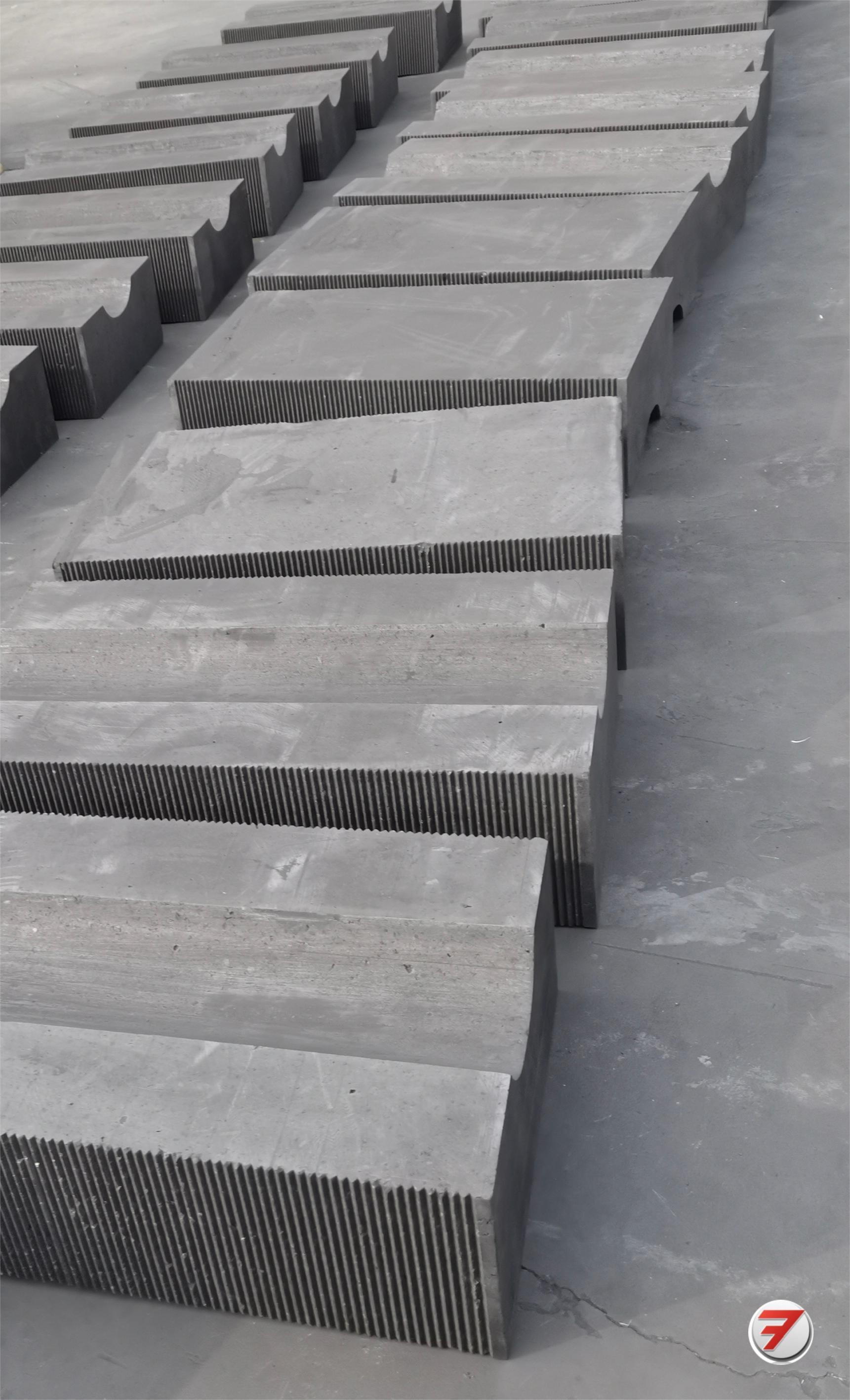
Graphite blocks, known for their remarkable thermal and electrical conductivity, are a cornerstone material in various applications within the metallurgy and energy sectors. Their structure, which consists of layered carbon atoms, allows for efficient heat transfer and excellent lubrication capabilities. This makes them especially valuable in processes such as metal casting and the production of high-temperature materials.
One of the primary methods of manufacturing graphite blocks involves the use of petroleum coke, a byproduct of oil refining. Through a process of calcination and carbonization, this material is transformed into high-purity graphite. The quality of the final product can be influenced by factors such as the purity of the raw materials, the temperature during calcination, and the duration of the process. Understanding these factors is critical for professionals looking to optimize the performance of graphite blocks in their applications.
In the metallurgy industry, graphite blocks serve multiple purposes. They are commonly used in electric arc furnaces, where their ability to withstand extreme temperatures and conduct electricity efficiently is essential. Additionally, graphite blocks can be employed as liners in furnaces and kilns, providing insulation and reducing thermal losses. This not only enhances operational efficiency but also contributes to the longevity of the equipment.
Another significant application of graphite blocks is in the production of batteries, particularly lithium-ion batteries, which are crucial for energy storage solutions. The unique properties of graphite, such as its ability to intercalate lithium ions, make it a preferred material for anodes in these batteries. As the demand for renewable energy sources and electric vehicles grows, the role of graphite blocks in energy storage technology is likely to expand further.
Moreover, in the realm of mechanical applications, graphite blocks are utilized as lubricants and seals due to their low friction characteristics and excellent thermal stability. This versatility makes them suitable for a variety of industries, from automotive to aerospace, where reliability and performance are paramount.
In conclusion, graphite blocks are an indispensable material in the metallurgy and energy sectors, providing a range of benefits due to their unique properties. As the industry evolves, understanding the production, application, and performance optimization of graphite blocks will be crucial for professionals aiming to leverage these materials in their operations. Emphasizing the importance of quality and innovation in the use of graphite blocks can lead to significant advancements in both metallurgical processing and energy efficiency.
Contact Us
E-mail:
Phone/WhatsApp:
+86 15711363051
Address:
Xingchuang International C912, Xinya Street No.15, Daxing District, Beijing, China



Contact
TEL: +8615711363051
EMAIL: sales@topflymaterial.com
ADD: Xingchuang International C912, Xinya Street No.15, Daxing District, Beijing, China