
Understanding Isostatic Graphite: Key Insights for the Metallurgical and Energy Industries
Sep 12,2026
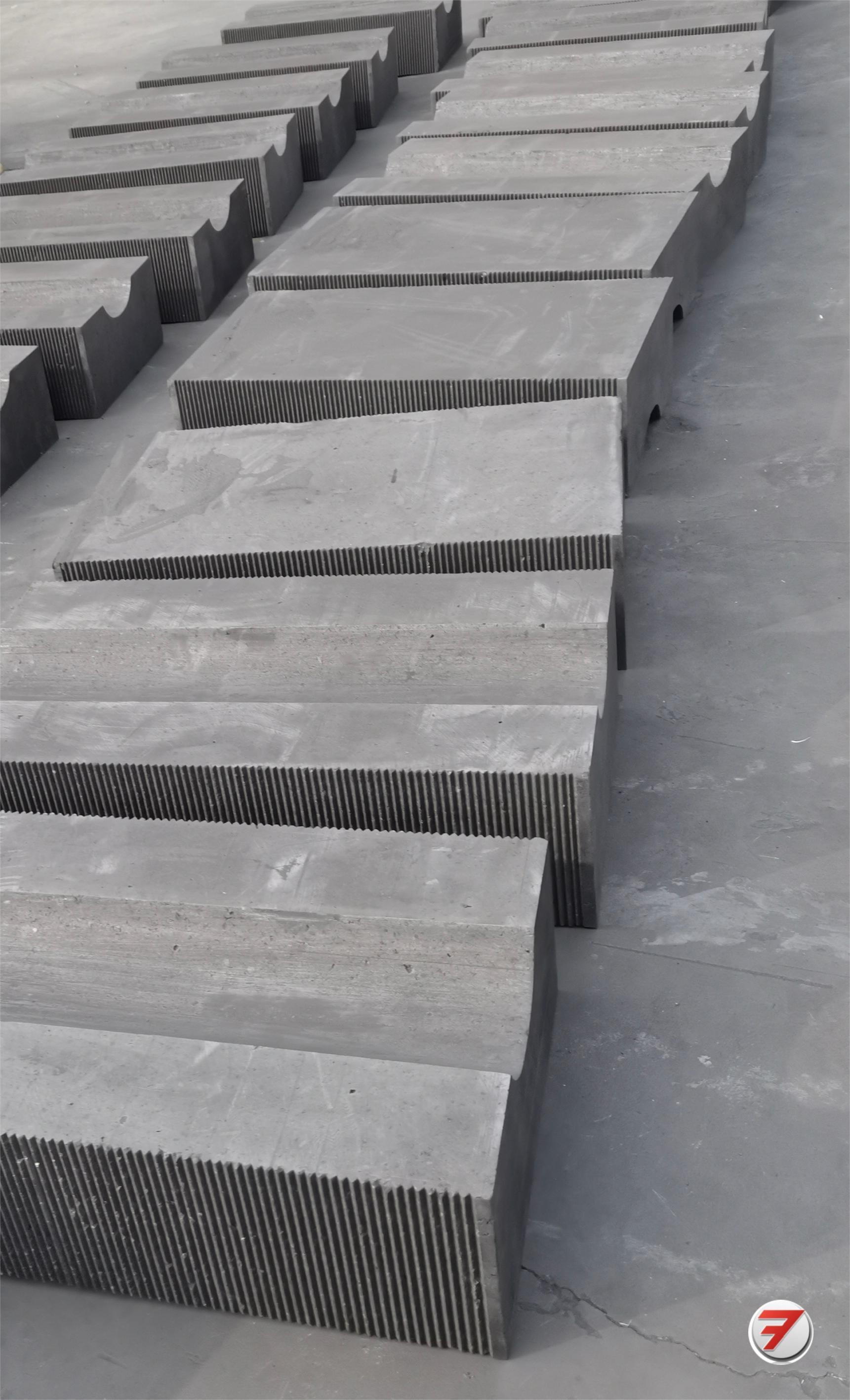
Isostatic graphite is a specialized form of graphite known for its exceptional isotropic properties, which are achieved through a unique manufacturing process. This material is produced by subjecting graphite powder to high pressure in all directions, resulting in a uniform density and structure. This isotropy makes isostatic graphite particularly valuable in industries where precise material performance is crucial.
One of the standout features of isostatic graphite is its thermal stability. It can withstand high temperatures without undergoing significant deformation or degradation. This characteristic is crucial in applications such as furnace components in metallurgy and energy generation. The ability to maintain integrity under extreme conditions makes isostatic graphite a preferred choice for manufacturers looking to enhance the longevity and reliability of their products.
In addition to its thermal properties, isostatic graphite exhibits excellent electrical conductivity. This property is essential in the production of electrical components, such as electrodes used in electric arc furnaces and other related applications. The uniformity in electrical properties due to its isotropic nature ensures consistent performance, reducing the risk of failures that can lead to costly downtime in industrial operations.
Moreover, isostatic graphite possesses remarkable machinability. This means that it can be easily shaped and machined into intricate designs, allowing for tailored solutions that meet specific engineering requirements. This flexibility is particularly beneficial in industries where custom components are needed for specialized functions.
Another advantage of isostatic graphite is its chemical resistance. It shows minimal reactivity with most chemicals, making it ideal for use in harsh environments where other materials might corrode or degrade. This property extends the lifespan of components used in chemical processing and energy production, providing a reliable solution for demanding applications.
Furthermore, the production of isostatic graphite can be optimized to enhance its properties for specific applications, providing manufacturers with the ability to customize materials to meet distinct operational needs. This adaptability is a key benefit for professionals in the metallurgy and energy sectors who are looking to innovate and improve their processes.
In summary, isostatic graphite stands out as a critical material in the metallurgical and energy industries, thanks to its robust properties such as thermal stability, electrical conductivity, machinability, and chemical resistance. Understanding these characteristics allows industry professionals to leverage isostatic graphite effectively, driving advancements in technology and operational efficiency.
PREVIOUS:
Contact Us
E-mail:
Phone/WhatsApp:
+86 15711363051
Address:
Xingchuang International C912, Xinya Street No.15, Daxing District, Beijing, China



Contact
TEL: +8615711363051
EMAIL: sales@topflymaterial.com
ADD: Xingchuang International C912, Xinya Street No.15, Daxing District, Beijing, China