
The Versatility and Applications of Graphite Blocks in Metallurgy and Energy
Aug 17,2026
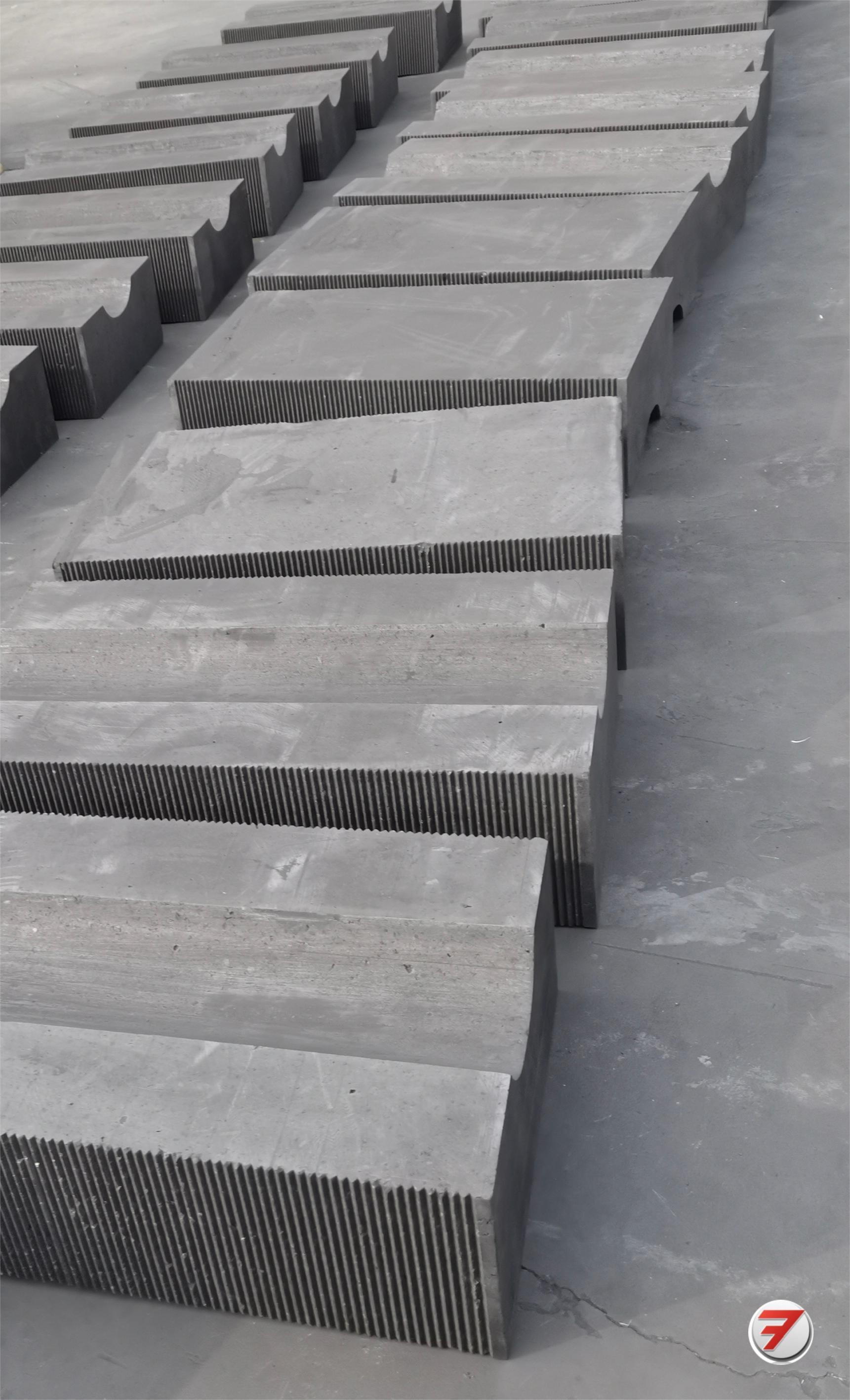
Graphite blocks are a crucial component in various applications within the metallurgy and energy sectors, primarily due to their unique properties such as high thermal conductivity, excellent lubrication, and resistance to extreme temperatures. These blocks are derived from natural graphite and can be engineered for specific industrial needs, making them versatile for a range of applications.
One of the primary uses of graphite blocks in metallurgy is in the manufacturing of refractory materials. Their high melting point and thermal shock resistance make them ideal for lining furnaces, kilns, and other high-temperature processing equipment. This capability not only enhances production efficiency but also extends the lifespan of the equipment, reducing downtime and maintenance costs.
In addition to their role in refractory applications, graphite blocks are also utilized in the production of electrodes. Graphite electrodes are essential in electric arc furnaces for steel production, where they conduct electricity and help to generate the intense heat required for melting metal. The conductivity of graphite ensures efficient energy use, which is critical for maintaining cost-effective and environmentally friendly operations.
Moreover, the lubricating properties of graphite blocks make them valuable in various machining and manufacturing processes. They can be used as a dry lubricant in high-speed applications, reducing friction and wear. This characteristic not only benefits the machinery but also enhances the quality of the finished product.
Another significant application of graphite blocks is in the energy sector, particularly in the production of batteries, where they serve as an anode material. The growing demand for electric vehicles and renewable energy storage solutions has led to an increased need for high-performance batteries. Graphite blocks, with their ability to facilitate electron transfer, play a vital role in enhancing battery life and performance.
Furthermore, the ability to tailor the properties of graphite blocks through processing techniques such as molding and sintering allows for customization according to specific industrial requirements. This flexibility is increasingly important in a rapidly evolving market where efficiency and performance are paramount.
In conclusion, graphite blocks are indispensable in the metallurgy and energy sectors, providing solutions that enhance productivity, efficiency, and performance across various applications. As industries continue to seek innovative materials that offer both high performance and sustainability, the utilization of graphite blocks is expected to grow, solidifying their status as a cornerstone of modern industrial processes. Understanding their properties and applications can greatly benefit professionals aiming to optimize their operations and stay ahead in a competitive landscape.
Contact Us
E-mail:
Phone/WhatsApp:
+86 15711363051
Address:
Xingchuang International C912, Xinya Street No.15, Daxing District, Beijing, China



Contact
TEL: +8615711363051
EMAIL: sales@topflymaterial.com
ADD: Xingchuang International C912, Xinya Street No.15, Daxing District, Beijing, China