
Molded Graphite: The Superior Choice for Unmatched Electrical Conductivity
Aug 16,2026
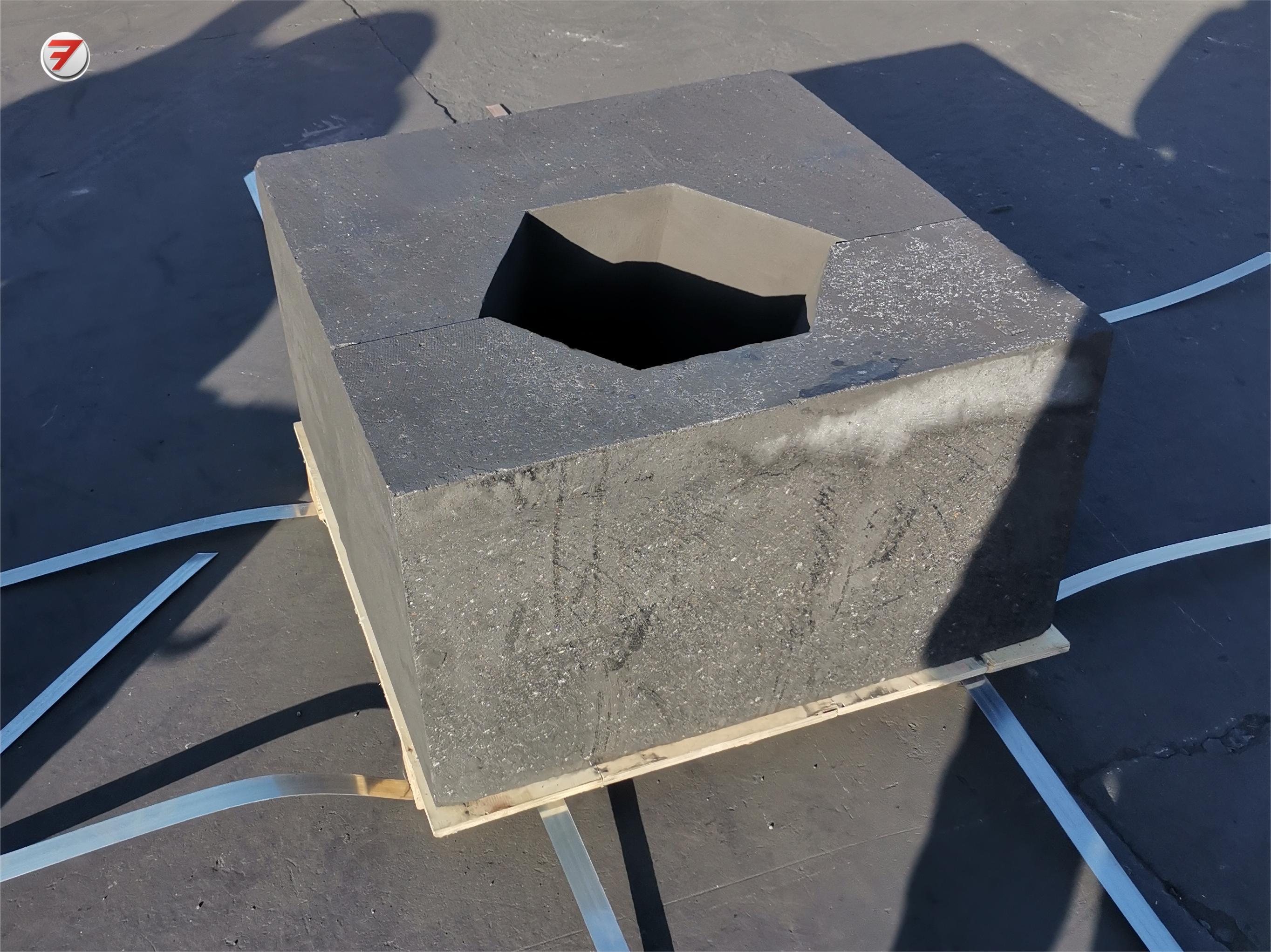
Molded Graphite: The Superior Choice for Unmatched Electrical Conductivity
Table of Contents
- 1. Introduction to Molded Graphite
- 2. What is Molded Graphite?
- 3. Unique Properties of Molded Graphite
- 4. The Manufacturing Process of Molded Graphite
- 5. Applications of Molded Graphite in Various Industries
- 6. Advantages of Using Molded Graphite
- 7. The Future of Molded Graphite in Electrical Conductivity
- 8. Frequently Asked Questions
- 9. Conclusion
1. Introduction to Molded Graphite
Molded graphite has become an indispensable material in various industries, especially where electrical conductivity is a priority. As technology evolves, the demand for materials that offer superior conductivity, durability, and versatility has surged. Molded graphite stands out due to its unique characteristics and ability to withstand extreme conditions. In this article, we will explore the properties, manufacturing process, applications, and advantages of molded graphite, emphasizing its significance in electrical conductivity.
2. What is Molded Graphite?
Molded graphite is a form of graphite that is shaped and hardened through a specific manufacturing process. This process involves compressing fine graphite powder into molds and then subjecting it to high temperatures. The result is a material that exhibits remarkable electrical conductivity and thermal stability. Molded graphite can also be produced in various shapes and sizes, making it suitable for a range of applications.
2.1 Composition of Molded Graphite
The primary component of molded graphite is carbon, which is essential for its conductive properties. Additional materials may be added to enhance specific characteristics, such as strength and resistance to oxidation. These additives can include resins, binders, and other minerals that contribute to the overall performance of the final product.
3. Unique Properties of Molded Graphite
Molded graphite possesses several unique properties that contribute to its effectiveness as a conductive material. These include:
3.1 High Electrical Conductivity
Molded graphite is renowned for its exceptional electrical conductivity, which is crucial in applications such as electrodes in electric arc furnaces and batteries. It allows for efficient energy transfer, minimizing losses during operation.
3.2 Thermal Stability
Molded graphite can withstand extreme temperatures without degrading. This thermal stability makes it suitable for high-temperature applications, such as in the manufacturing of refractory materials and components.
3.3 Corrosion Resistance
The material's inherent resistance to corrosion ensures longevity in demanding environments. This property is particularly beneficial in applications involving harsh chemicals or extreme weather conditions.
3.4 Machinability
Molded graphite is easy to machine, allowing manufacturers to create precise components tailored to specific applications. This versatility is vital in industries that require custom designs.
4. The Manufacturing Process of Molded Graphite
The production of molded graphite involves several key steps to ensure that the final product exhibits the desired properties. Understanding this process is critical for industry professionals seeking to optimize their applications.
4.1 Raw Material Preparation
The process begins with the selection and preparation of high-quality graphite powder. The powder is often treated to enhance its conductivity and strength by adding specific binders or additives.
4.2 Molding
Once the raw materials are prepared, they are placed into molds under high pressure to form the desired shape. This step is crucial, as it determines the final dimensions and density of the molded graphite.
4.3 Baking or Carbonization
The molded shapes are then heated in a controlled environment. This baking process carbonizes the material, removing any volatile components and enhancing the structural integrity of the molded graphite.
4.4 Machining and Finishing
After baking, the molded graphite can be machined to achieve precise dimensions. This step may involve cutting, grinding, or surface finishing to meet specific application requirements.
5. Applications of Molded Graphite in Various Industries
Molded graphite finds its place in numerous industries due to its unique combination of properties. Here are some of the key applications:
5.1 Electrical Components
Molded graphite is widely used for manufacturing electrical contacts, electrodes, and conductive coatings due to its high conductivity and thermal stability. It plays a crucial role in electric arc furnaces and other high-power applications.
5.2 Batteries and Fuel Cells
In the realm of energy storage, molded graphite serves as an essential component in batteries and fuel cells. Its conductivity enhances the efficiency of energy transfer, contributing to improved performance and longevity.
5.3 Automotive Industry
The automotive sector utilizes molded graphite in various applications, including brake pads, gaskets, and seals. Its resistance to wear and thermal conductivity make it an ideal choice for components that endure high stress and heat.
5.4 Aerospace and Defense
In aerospace and defense applications, molded graphite's lightweight nature and strength are invaluable. It is used in components that require high performance under extreme conditions, such as heat shields and structural parts.
5.5 Chemical Processing
Molded graphite's resistance to corrosion and thermal stability make it suitable for chemical processing equipment, including valves, pumps, and reactor components. This ensures safe and efficient operation in demanding environments.
6. Advantages of Using Molded Graphite
Choosing molded graphite offers several advantages, making it a preferred material in numerous applications:
6.1 Cost-Effectiveness
While the initial investment may be higher compared to other materials, the durability and longevity of molded graphite components often lead to lower overall costs. Reduced maintenance and replacement expenses significantly enhance cost-effectiveness.
6.2 Lightweight
Molded graphite is relatively lightweight, making it advantageous in applications where weight reduction is essential. This property is particularly valuable in the aerospace and automotive industries, where every gram counts.
6.3 Customizability
The versatility of molded graphite allows for extensive customization. Manufacturers can create components in various shapes and sizes, tailoring products to specific operational requirements.
6.4 Environmental Resistance
Molded graphite exhibits excellent resistance to chemicals and environmental factors, ensuring long-term performance even in harsh conditions. This makes it a reliable choice for a wide range of industrial applications.
7. The Future of Molded Graphite in Electrical Conductivity
As industries continue to evolve, the demand for high-performance materials like molded graphite is expected to increase. Innovations in manufacturing processes and applications will drive this trend forward. The development of new formulations and composites may enhance the properties of molded graphite, opening up even more possibilities for its use in advanced technologies, including renewable energy systems and electric vehicles.
8. Frequently Asked Questions
8.1 What is the primary use of molded graphite?
Molded graphite is primarily used in electrical components, including electrodes and contacts, due to its excellent electrical conductivity.
8.2 How does molded graphite compare to other conductive materials?
Molded graphite offers superior conductivity, thermal stability, and corrosion resistance compared to many other conductive materials, such as metals.
8.3 Can molded graphite be used in high-temperature applications?
Yes, molded graphite can withstand high temperatures, making it suitable for applications in extreme environments.
8.4 Is molded graphite environmentally friendly?
While molded graphite itself is not harmful, the environmental impact largely depends on the manufacturing process and disposal methods. Many manufacturers are moving towards sustainable practices.
8.5 How is molded graphite manufactured?
Molded graphite is produced by compressing graphite powder into molds, followed by baking to carbonize the material and enhance its properties.
9. Conclusion
Molded graphite stands out as a superior choice for applications requiring exceptional electrical conductivity. Its unique properties, along with a versatile manufacturing process, make it indispensable across various industries. As the demand for efficient energy solutions grows, molded graphite is poised to play an increasingly vital role in the future of electrical conductivity and beyond. Embracing this material can lead to enhanced performance, durability, and sustainability in numerous applications, solidifying its place as a cornerstone of modern technology.
Contact Us
E-mail:
Phone/WhatsApp:
+86 15711363051
Address:
Xingchuang International C912, Xinya Street No.15, Daxing District, Beijing, China



Contact
TEL: +8615711363051
EMAIL: sales@topflymaterial.com
ADD: Xingchuang International C912, Xinya Street No.15, Daxing District, Beijing, China