
Understanding Isostatic Graphite: Key Insights for the Metallurgy and Energy Industries
Aug 15,2026
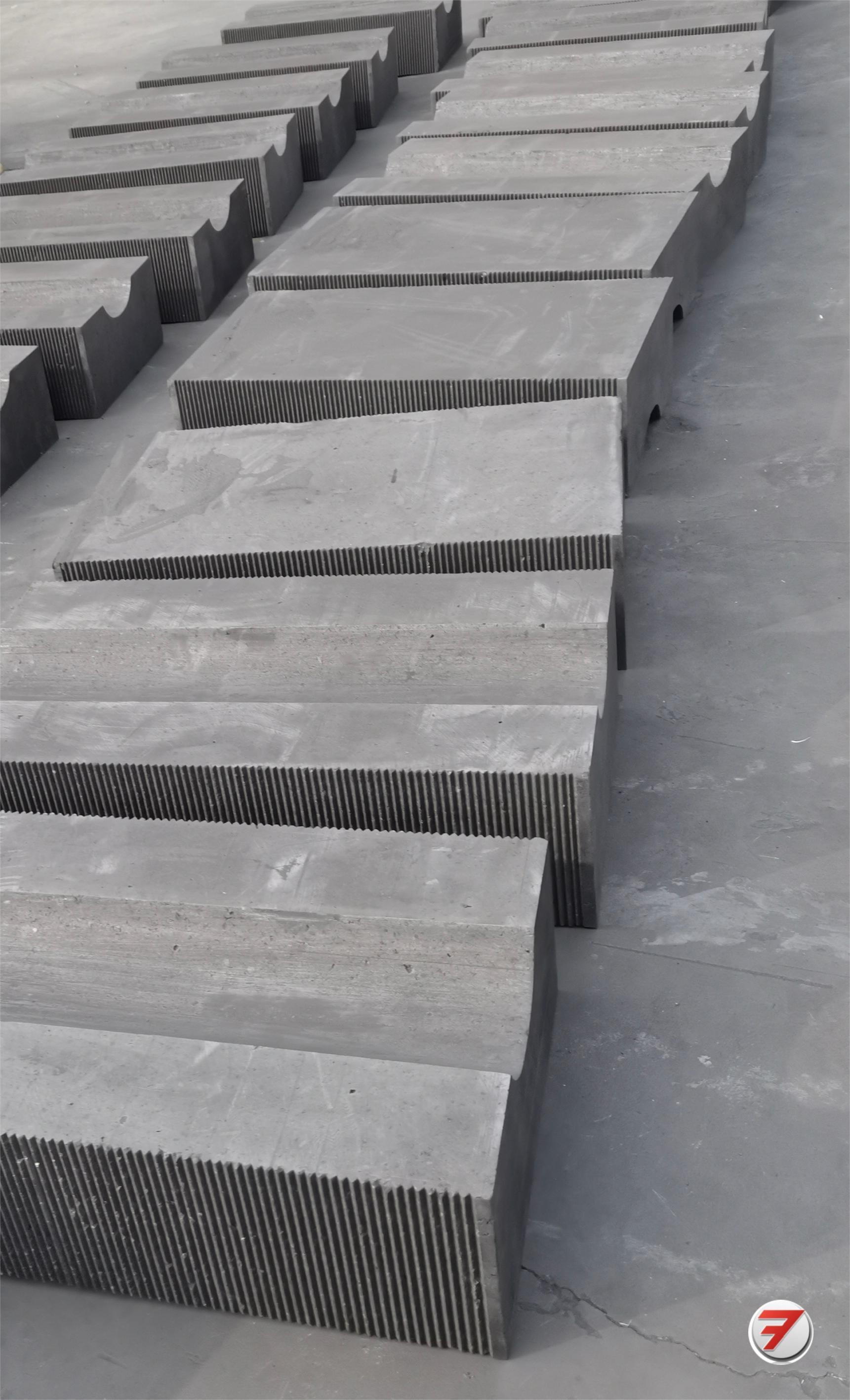
Isostatic graphite, known for its exceptional strength and thermal properties, plays a significant role in the metallurgy and energy industries, particularly in the production of non-metallic mineral products. This specialized form of graphite is produced through a process that involves applying uniform pressure from all directions, resulting in a material that boasts isotropic properties. This means that the physical and mechanical characteristics of isostatic graphite are consistent in all directions, making it an ideal choice for applications where reliability and predictability are crucial.
One of the primary benefits of isostatic graphite is its superior thermal conductivity. This property makes it an excellent candidate for applications involving high temperatures, such as in the production of electrodes for electric arc furnaces or in the manufacturing of components for nuclear reactors. Its ability to withstand extreme conditions while maintaining structural integrity allows industries to operate more efficiently and safely.
Moreover, isostatic graphite exhibits high resistance to thermal shock and chemical corrosion, making it suitable for use in harsh environments. This durability is essential in sectors that demand long-lasting materials which can endure significant wear and tear over time. For instance, in the casting and molding processes within the metallurgical industry, isostatic graphite can be used to create molds that deliver consistent performance, thereby enhancing the quality of the final products.
The manufacturing process of isostatic graphite typically involves the use of high-quality petroleum-based or synthetic feedstocks. These are subjected to a meticulous series of steps, including molding, impregnation, and graphitization, to ensure that the final product meets the required specifications for various applications. The precise control over the production parameters allows manufacturers to tailor the properties of isostatic graphite to meet specific industry needs.
Furthermore, as industries continue to focus on sustainability, isostatic graphite is increasingly being recognized for its environmentally friendly attributes. The material is recyclable and can be repurposed, contributing to a circular economy model that reduces waste and promotes resource efficiency.
In summary, isostatic graphite stands out as a versatile and high-performance material that caters to the demanding needs of the metallurgy and energy sectors. Its unique characteristics, including isotropic properties, superior thermal conductivity, and resistance to harsh conditions, make it an indispensable component in various applications. As industries evolve, the role of isostatic graphite is likely to expand, offering new opportunities for innovation and efficiency.
Contact Us
E-mail:
Phone/WhatsApp:
+86 15711363051
Address:
Xingchuang International C912, Xinya Street No.15, Daxing District, Beijing, China



Contact
TEL: +8615711363051
EMAIL: sales@topflymaterial.com
ADD: Xingchuang International C912, Xinya Street No.15, Daxing District, Beijing, China