
How to Select the Right Graphite Boat for Your Application: A Comprehensive Guide
Aug 18,2026
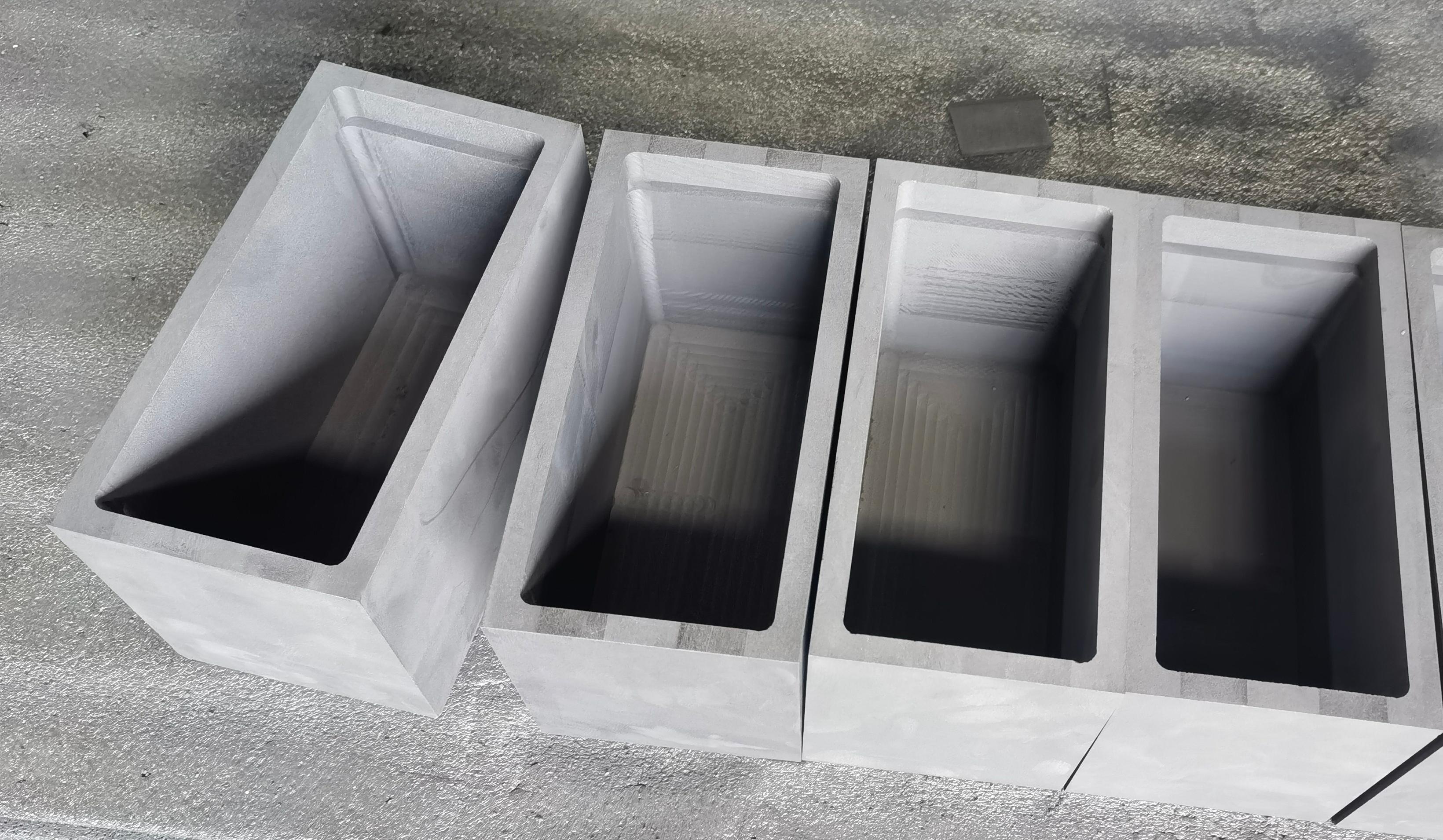
How to Select the Right Graphite Boat for Your Application
Selecting the right graphite boat for your application is crucial for optimizing efficiency and ensuring successful outcomes in various industrial processes. Graphite boats are widely used in high-temperature applications, particularly in metallurgy and the production of non-metallic mineral products. In this comprehensive guide, we will explore everything you need to know about graphite boats, including their properties, applications, and how to choose the best one for your needs.
Table of Contents
1. Understanding Graphite Boats
2. Key Properties of Graphite Boats
2.1 Thermal Conductivity
2.2 Chemical Resistance
2.3 Mechanical Strength
3. Different Types of Graphite Boats
3.1 Isostatic Graphite Boats
3.2 Molded Graphite Boats
4. Applications of Graphite Boats
4.1 Metallurgical Applications
4.2 Semiconductor Manufacturing
4.3 Laboratory Applications
5. Factors to Consider When Selecting Graphite Boats
5.1 Application Requirements
5.2 Temperature Range
5.3 Cost Considerations
6. Sourcing Quality Graphite Boats
7. Maintenance and Care for Graphite Boats
8. Frequently Asked Questions (FAQs)
9. Conclusion
1. Understanding Graphite Boats
Graphite boats are specialized containers made from high-purity graphite. They are engineered to withstand extreme temperatures and are primarily used for the transportation and containment of materials during high-heat processing. The unique properties of graphite make these boats ideal for various applications, including metallurgy, semiconductors, and laboratory environments.
2. Key Properties of Graphite Boats
To make an informed decision when selecting a graphite boat, it is essential to understand the key properties that influence their performance.
2.1 Thermal Conductivity
**Thermal conductivity** is a critical factor in the performance of graphite boats. High thermal conductivity allows for even heat distribution, which is essential in applications requiring precise temperature control. When selecting a graphite boat, consider the thermal conductivity ratings specified by manufacturers to ensure it meets your application requirements.
2.2 Chemical Resistance
**Chemical resistance** is another vital property to consider. Graphite boats are often exposed to corrosive environments, especially in metallurgical applications. Choose a graphite boat that offers high resistance to the chemicals present in your specific process to avoid degradation or contamination.
2.3 Mechanical Strength
**Mechanical strength** is crucial for the structural integrity of graphite boats. Depending on the application, the boat may need to withstand significant physical stress during use. Evaluate the mechanical properties provided by the manufacturer, focusing on tensile strength and flexural strength.
3. Different Types of Graphite Boats
Graphite boats come in various types, each designed for specific applications. Understanding these types can help narrow down your selection.
3.1 Isostatic Graphite Boats
**Isostatic graphite boats** are produced using an isostatic pressing process, which results in a uniform density and excellent mechanical properties. These boats are ideal for high-performance applications and offer superior thermal stability.
3.2 Molded Graphite Boats
**Molded graphite boats** are shaped using traditional molding techniques. While they may not have the same uniform properties as isostatic graphite boats, they are often more cost-effective and can still provide adequate performance for many applications.
4. Applications of Graphite Boats
Graphite boats are utilized across various industries due to their unique properties.
4.1 Metallurgical Applications
In the metallurgy industry, graphite boats are used to hold metal during melting and casting processes. Their high thermal conductivity and chemical resistance make them ideal for handling molten metals without contamination.
4.2 Semiconductor Manufacturing
Graphite boats play a significant role in semiconductor manufacturing, where they are used to contain materials during high-temperature processes. Their stability at elevated temperatures ensures that the semiconductor materials remain uncontaminated.
4.3 Laboratory Applications
Laboratories utilize graphite boats for various heating applications, including ashing and sample preparation. The ability to withstand high temperatures and resist chemical degradation makes graphite boats a popular choice in scientific research.
5. Factors to Consider When Selecting Graphite Boats
When choosing the right graphite boat for your application, consider the following factors:
5.1 Application Requirements
Each application has unique requirements that dictate the type of graphite boat needed. Consider the specific processes the boat will be involved in to select the most appropriate option.
5.2 Temperature Range
Evaluate the **temperature range** your graphite boat will be subjected to. Ensure that the material can withstand the operating conditions without compromising performance.
5.3 Cost Considerations
While quality is paramount, **cost considerations** cannot be overlooked. Evaluate your budget and find a balance between quality and price when selecting graphite boats.
6. Sourcing Quality Graphite Boats
Finding a reputable supplier is crucial for acquiring quality graphite boats. Consider sourcing from manufacturers that provide detailed specifications and have a proven track record in the industry. Check for certifications and customer reviews to ensure reliability.
7. Maintenance and Care for Graphite Boats
To maximize the lifespan and performance of your graphite boats, proper maintenance is essential. Clean the boats regularly to remove any residual materials, and inspect them for signs of wear or damage. Following manufacturer recommendations for care will help maintain their integrity.
8. Frequently Asked Questions (FAQs)
**Q1: What is the maximum temperature a graphite boat can withstand?**
A1: The maximum temperature varies by the type of graphite used; however, most graphite boats can withstand temperatures up to 3000°C in inert atmospheres.
**Q2: Can graphite boats be recycled?**
A2: Yes, graphite boats can be recycled. However, it is essential to follow proper recycling guidelines to ensure environmental safety.
**Q3: Are there specific coatings available for graphite boats?**
A3: Yes, some manufacturers offer protective coatings to enhance the chemical resistance of graphite boats, making them suitable for more aggressive environments.
**Q4: How can I determine the right size of graphite boat for my application?**
A4: The size of the graphite boat should be determined based on the amount of material you need to contain and the specifications of your heating equipment.
**Q5: What should I do if my graphite boat shows signs of wear?**
A5: If your graphite boat shows signs of wear, it is advisable to replace it to avoid compromising your application’s integrity.
9. Conclusion
Selecting the right graphite boat for your application is a critical decision that impacts performance and efficiency. By understanding the properties and types of graphite boats, considering key factors such as application requirements and temperature range, and sourcing from reputable suppliers, you can ensure that you make an informed choice. With the right graphite boat, you can achieve optimal results in your industrial processes.
Contact Us
E-mail:
Phone/WhatsApp:
+86 15711363051
Address:
Xingchuang International C912, Xinya Street No.15, Daxing District, Beijing, China



Contact
TEL: +8615711363051
EMAIL: sales@topflymaterial.com
ADD: Xingchuang International C912, Xinya Street No.15, Daxing District, Beijing, China