
High Purity Graphite: An Essential Resource for Sustainable Development
Aug 12,2026
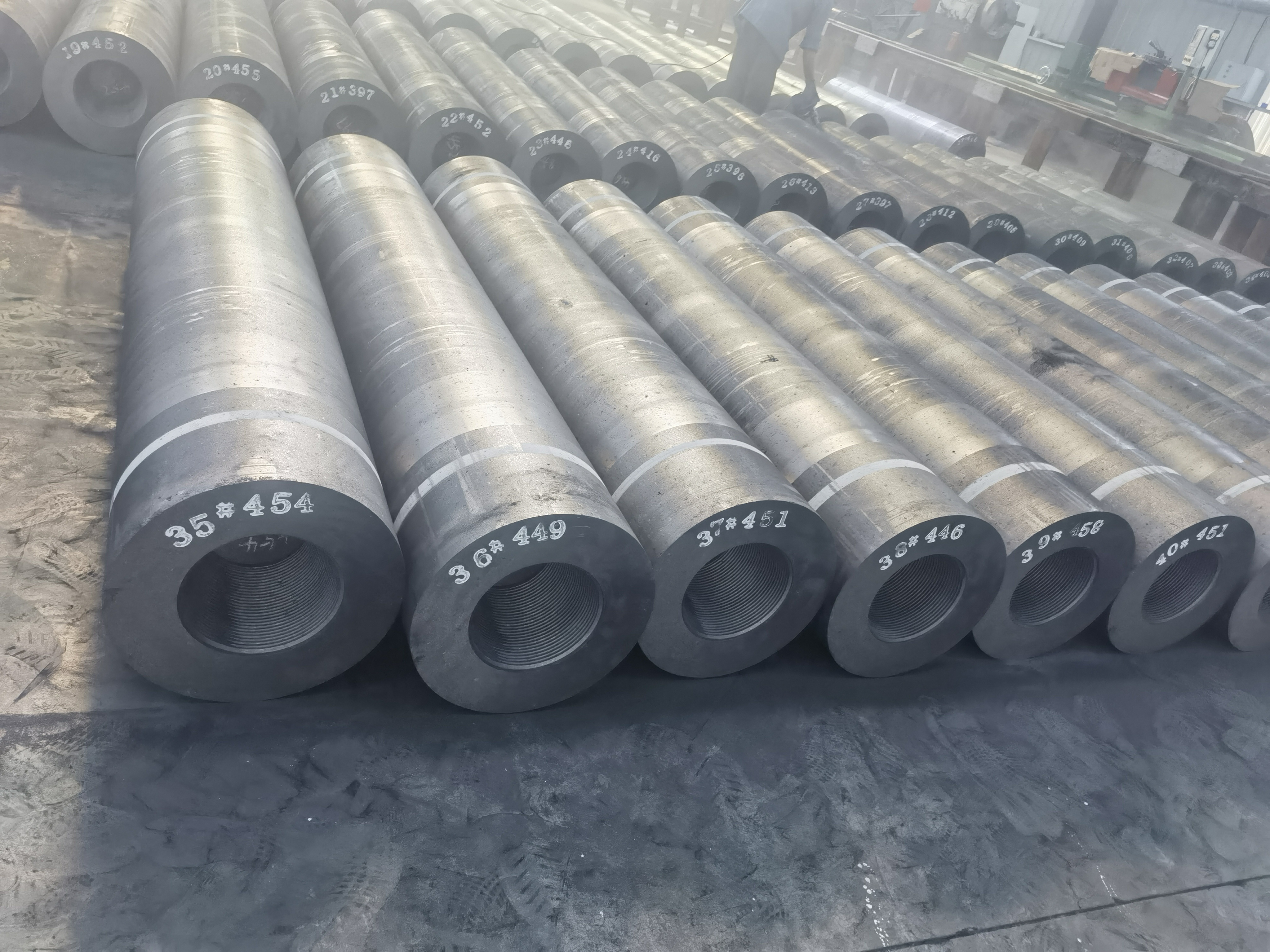
High Purity Graphite: An Essential Resource for Sustainable Development
Table of Contents
- Introduction to High Purity Graphite
- What is High Purity Graphite?
- The Importance of High Purity Graphite in Industry
- Applications of High Purity Graphite
- Energy Storage Solutions
- Electronics and Semiconductors
- Refractories and Ceramics
- Lubricants and Coatings
- High Purity Graphite and Sustainable Development
- Extraction and Processing of High Purity Graphite
- The Future of High Purity Graphite
- Frequently Asked Questions
- Conclusion
Introduction to High Purity Graphite
High purity graphite has emerged as a pivotal material in various industries, recognized for its remarkable properties and versatility. As the demand for sustainable materials continues to grow, high purity graphite stands out as an essential resource in supporting eco-friendly technologies. This article delves into the significance of high purity graphite, its applications, and its contribution to sustainable development.
What is High Purity Graphite?
High purity graphite is a form of carbon that has been refined to achieve a purity level of 99.9% or higher. This refinement process eliminates most of the impurities found in natural graphite, resulting in a material that possesses excellent electrical conductivity, thermal resistance, and chemical stability. The unique characteristics of high purity graphite make it suitable for a range of advanced applications, from energy storage to electronics.
The Importance of High Purity Graphite in Industry
The industrial significance of high purity graphite cannot be overstated. With the world shifting towards cleaner energy solutions and advanced technologies, high purity graphite has become a crucial component in various manufacturing processes. Its properties allow for improved efficiency, reliability, and sustainability in products across different sectors.
Applications of High Purity Graphite
High purity graphite is utilized in numerous applications, contributing to advancements in technology and sustainability. Below, we explore several key sectors where high purity graphite plays an integral role.
Energy Storage Solutions
One of the most significant applications of high purity graphite is in the field of energy storage. The rise of electric vehicles (EVs) and renewable energy sources has led to an increased demand for efficient battery technologies. High purity graphite is a critical component in lithium-ion batteries, serving as an anode material that enhances energy density and charge cycles. As the world moves towards greener energy solutions, the role of high purity graphite in battery technology remains vital.
Electronics and Semiconductors
In the electronics industry, high purity graphite is used in the manufacturing of semiconductors and electronic components. Its excellent electrical conductivity allows for improved performance in devices, while its thermal properties help manage heat in high-performance applications. As electronics continue to evolve, the demand for high purity graphite in this sector is expected to rise significantly.
Refractories and Ceramics
High purity graphite is also essential in the production of refractories and ceramics. Its high melting point and resistance to thermal shock make it an ideal material for high-temperature applications, such as linings for furnaces and kilns. The durability of high purity graphite in these environments contributes to longer-lasting products, reducing waste and enhancing sustainability efforts in the industry.
Lubricants and Coatings
In addition to its applications in energy and electronics, high purity graphite is commonly used as a lubricant and coating agent. Its unique properties provide low friction and high wear resistance, making it suitable for various mechanical applications. The use of high purity graphite in lubricants and coatings helps extend the lifespan of machinery, thereby promoting efficiency and reducing environmental impact.
High Purity Graphite and Sustainable Development
The relationship between high purity graphite and sustainable development is increasingly recognized as critical. As industries strive to reduce their carbon footprint and embrace eco-friendly practices, high purity graphite offers several advantages:
- **Reduced Environmental Impact**: The use of high purity graphite in energy storage, such as lithium-ion batteries, contributes to the transition to renewable energy sources, thereby reducing dependence on fossil fuels.
- **Enhanced Performance and Efficiency**: High purity graphite improves the performance of various products, leading to less waste and increased energy efficiency. For instance, batteries with high purity graphite can store more energy and have longer lifespans, minimizing the need for frequent replacements.
- **Support for Clean Technologies**: High purity graphite is integral to the development of clean technologies, including solar panels and wind turbines. Its properties enable more efficient energy conversion and storage, facilitating the adoption of sustainable energy solutions.
As a result, industries are increasingly turning to high purity graphite as a key player in their sustainability strategies.
Extraction and Processing of High Purity Graphite
The extraction and processing of high purity graphite involve several steps to ensure that the final product meets the required purity standards. Understanding these processes is essential for appreciating the material's value and its role in sustainable development.
1. **Mining**: High purity graphite is typically sourced from natural deposits through conventional mining methods. This initial step involves extracting raw graphite from the earth, which is then transported for processing.
2. **Crushing and Grinding**: Once extracted, the raw graphite is crushed and ground to separate the graphite flakes from impurities. This step is crucial in preparing the material for further refinement.
3. **Flotation**: The ground graphite undergoes flotation, a process where chemicals are added to separate graphite from other minerals. This separation enhances the purity of the graphite, yielding a concentrate with higher carbon content.
4. **Chemical Treatment**: To achieve high purity levels, the graphite concentrate undergoes chemical treatment, often involving hydrofluoric acid or other reagents. This step removes impurities such as ash and trace elements, resulting in graphite with 99.9% purity or higher.
5. **Graphitization**: The final step involves heating the purified graphite to high temperatures to convert it into a more stable form. This graphitization process enhances the material's conductivity and overall performance.
Through these meticulous steps, high purity graphite is produced, ready to meet the demands of various industries and contribute to sustainable development initiatives.
The Future of High Purity Graphite
The future of high purity graphite appears promising as industries increasingly recognize its importance. With the ongoing developments in technology and the growing push for sustainability, the demand for high purity graphite is expected to rise. Key trends shaping the future of high purity graphite include:
- **Advancements in Battery Technology**: As electric vehicles and renewable energy solutions gain traction, innovations in battery technology will drive the need for high purity graphite. Manufacturers are continually exploring new formulations and applications that rely on high purity graphite to enhance battery performance.
- **Increased Focus on Sustainability**: Companies are intensifying their focus on sustainable practices, leading to a higher demand for materials that support eco-friendly technologies. High purity graphite fits this narrative perfectly, as it plays a crucial role in reducing carbon footprints and promoting green solutions.
- **Emerging Applications**: As research and development continue, new applications for high purity graphite are likely to emerge. From aerospace to biomedical fields, the versatility of high purity graphite opens doors to innovative uses that may reshape industries.
In conclusion, the high purity graphite market is poised for growth, driven by technological advancements and the increasing need for sustainable materials.
Frequently Asked Questions
1. What are the primary uses of high purity graphite?
High purity graphite is primarily used in battery technology, electronics, refractories, lubricants, and coatings due to its exceptional conductivity and thermal resistance.
2. How is high purity graphite produced?
High purity graphite is produced through a series of processes that include mining, crushing, flotation, chemical treatment, and graphitization to achieve desired purity levels.
3. Why is high purity graphite considered sustainable?
High purity graphite supports sustainability by enabling cleaner energy solutions, enhancing product efficiency, and contributing to eco-friendly technologies.
4. What industries benefit from high purity graphite?
Industries such as energy storage, electronics, manufacturing, and automotive benefit significantly from high purity graphite due to its versatile properties.
5. What is the future outlook for high purity graphite?
The future of high purity graphite is optimistic, with increased demand driven by advancements in technology, sustainability initiatives, and emerging applications across various sectors.
Conclusion
High purity graphite is an essential resource that plays a critical role in advancing sustainable development. Its unique properties and versatility make it invaluable across various industries, from energy storage to electronics. As the world focuses on sustainability and eco-friendly practices, high purity graphite stands out as a key material that supports these initiatives. The future of high purity graphite is bright, with continued innovations and applications poised to drive its importance further. By understanding its value and potential, industries can harness high purity graphite to contribute to a greener, more sustainable future.
Contact Us
E-mail:
Phone/WhatsApp:
+86 15711363051
Address:
Xingchuang International C912, Xinya Street No.15, Daxing District, Beijing, China



Contact
TEL: +8615711363051
EMAIL: sales@topflymaterial.com
ADD: Xingchuang International C912, Xinya Street No.15, Daxing District, Beijing, China