
Understanding Graphite Electrode: Key Insights for the Metallurgical Industry
Aug 13,2026
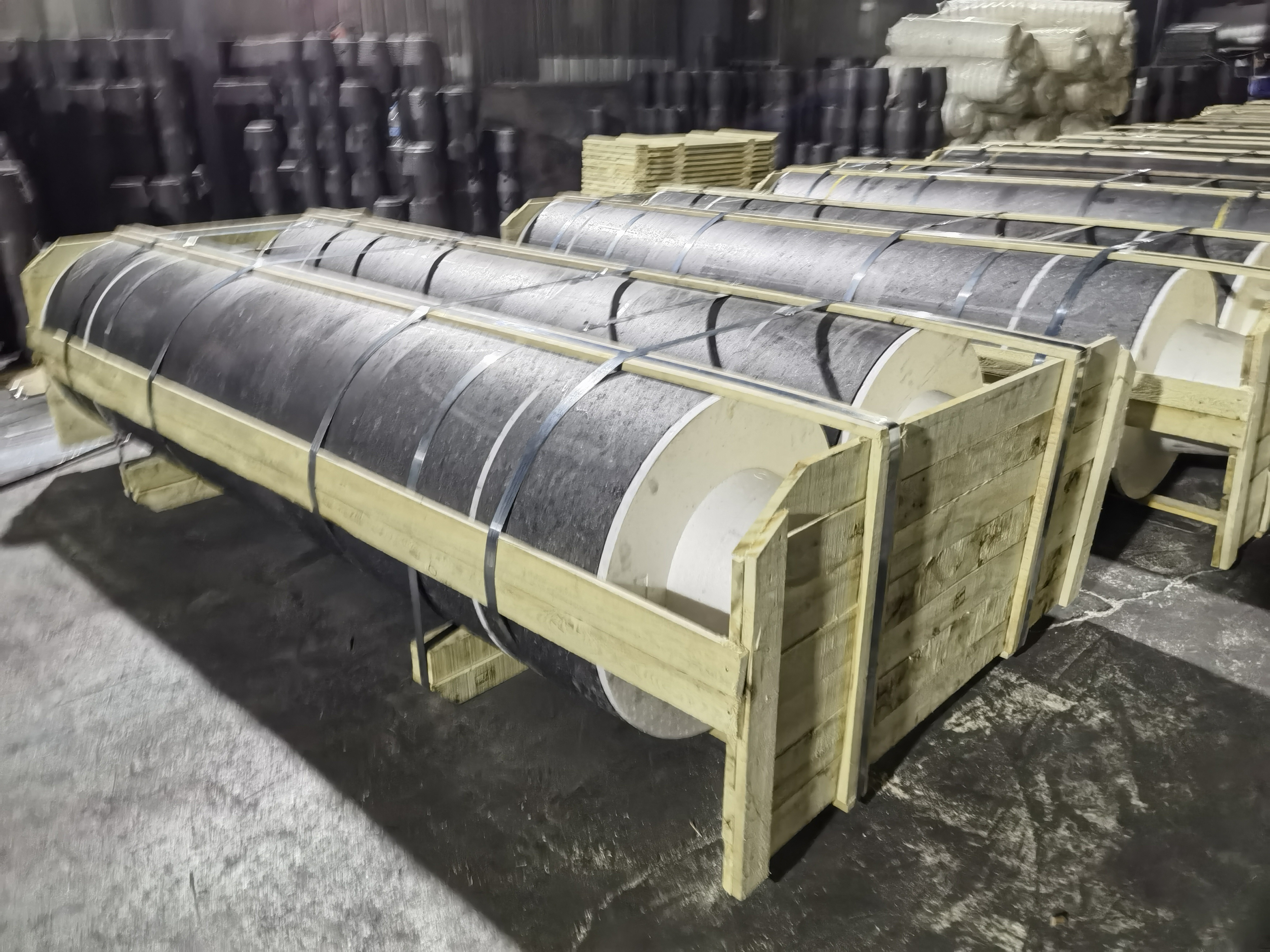
Graphite electrodes play a critical role in the metallurgical industry, especially in electric arc furnaces (EAFs) where they are essential for steel production. These electrodes are made from high-purity petroleum coke and pitch, which undergoes a meticulous process of baking and graphitization to achieve the desired properties. Their unique characteristics, such as high thermal and electrical conductivity, make them ideal for high-temperature applications.
One of the primary advantages of graphite electrodes is their ability to withstand extreme temperatures and corrosive environments. During the steel-making process, the electrodes conduct electricity to generate the heat necessary to melt scrap steel or direct reduced iron. This efficient energy transfer not only enhances the melting process but also reduces energy consumption, a critical factor in today’s manufacturing landscape where cost control and sustainability are paramount.
Another important aspect to consider is the environmental impact of graphite electrodes. The production of steel via EAFs using graphite electrodes is often more environmentally friendly compared to traditional blast furnace methods. EAFs typically emit lower levels of greenhouse gases and allow for the recycling of scrap materials, aligning with global sustainability efforts.
In addition to their applications in steel manufacturing, graphite electrodes are also utilized in the production of non-ferrous metals, including aluminum and copper. Their versatility extends to various industries, highlighting the importance of graphite electrodes in the broader context of metallurgical processes.
As the demand for high-quality steel continues to rise, so does the need for innovative advancements in graphite electrode technology. Recent research has focused on improving the performance and lifespan of these electrodes. For instance, the development of novel composite materials and coatings can enhance their thermal and electrical conductivity, leading to increased efficiency and reduced operational costs.
Moreover, the fluctuating prices of raw materials needed for graphite electrodes, such as petroleum coke, pose challenges for manufacturers. Consequently, companies are exploring alternative materials and production techniques to mitigate these impacts and maintain the supply chain stability.
In conclusion, understanding the multifaceted role of graphite electrodes in the metallurgical industry is crucial for stakeholders aiming to optimize production efficiency and sustainability. By keeping abreast of technological advancements and market dynamics, professionals in the field can better navigate challenges and seize opportunities for growth in this vital sector.
Contact Us
E-mail:
Phone/WhatsApp:
+86 15711363051
Address:
Xingchuang International C912, Xinya Street No.15, Daxing District, Beijing, China



Contact
TEL: +8615711363051
EMAIL: sales@topflymaterial.com
ADD: Xingchuang International C912, Xinya Street No.15, Daxing District, Beijing, China