
Understanding Graphite Boats: Essential Insights for Metallurgy and Energy Professionals
Aug 11,2026
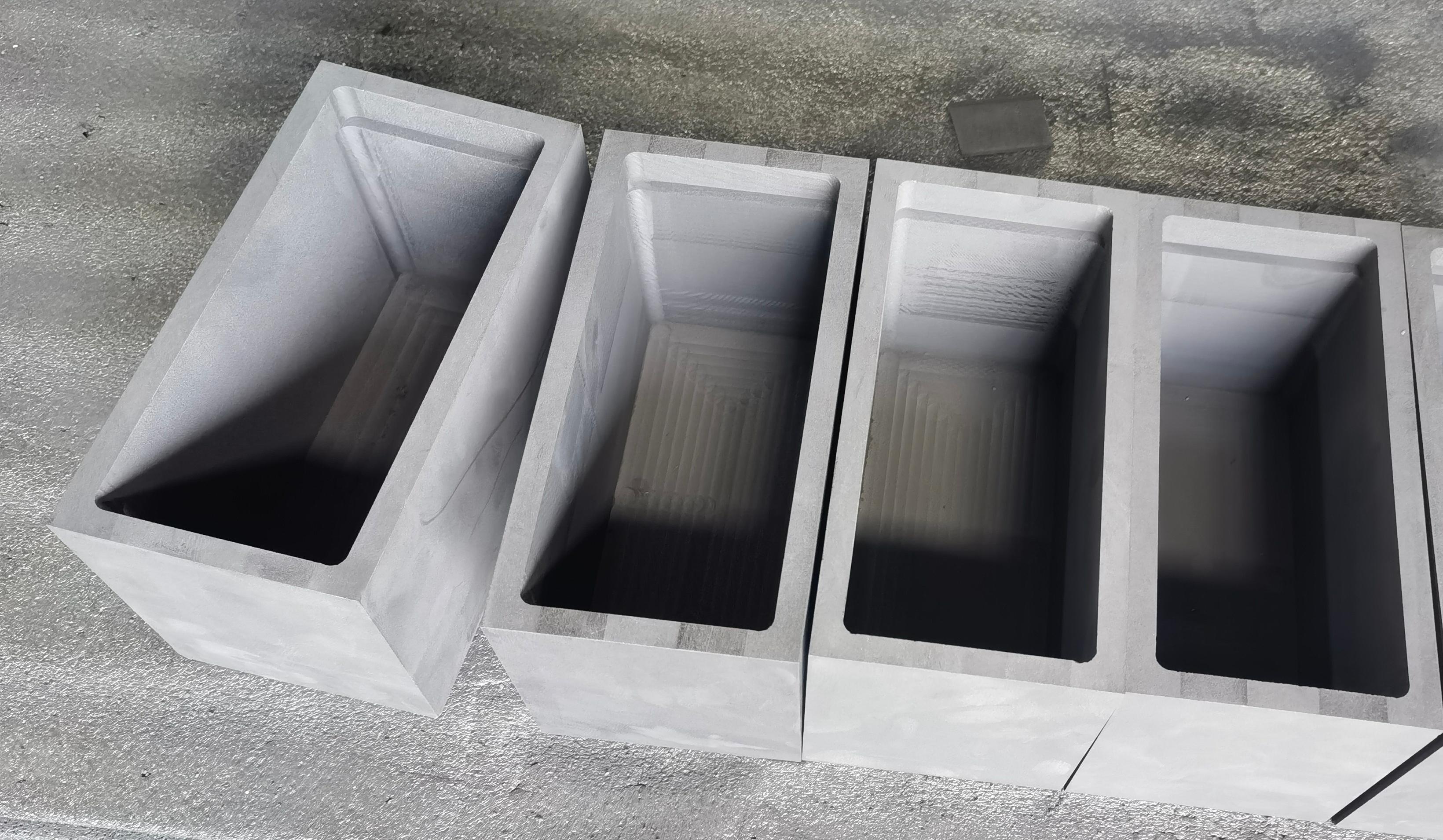
Graphite boats are crucial components in various industrial processes, particularly in metallurgy and energy sectors. These boats are primarily used for containing materials during high-temperature processes, such as sintering, melting, and refining metals. Their ability to withstand extreme temperatures and corrosive environments makes them ideal for applications that require stability and durability.
One of the most significant advantages of graphite boats is their excellent thermal conductivity. This property ensures even heat distribution, which is crucial for achieving uniform results during thermal processing. Moreover, graphite boats exhibit low thermal expansion, which minimizes the risk of warping or cracking under temperature fluctuations. This stability is particularly beneficial in high-precision applications, where product quality is paramount.
Graphite boats also have a high resistance to chemical attack, making them suitable for a wide range of materials, including metals, ceramics, and various alloys. This resistance prolongs the lifespan of the boats, reducing the frequency of replacements and maintenance, which can lead to significant cost savings for manufacturers.
In addition to their physical properties, graphite boats are lightweight, making them easier to handle and transport within industrial settings. Their design can be customized to fit specific operational needs, whether for small-scale or large-scale production processes. This flexibility allows industries to optimize their operations without compromising on quality or efficiency.
Another aspect worth considering is the environmental impact of using graphite boats. As industries strive to become more sustainable, the choice of materials plays a vital role. Graphite is a natural resource, and when sourced responsibly, it can contribute to a more eco-friendly production process. Additionally, the durability of graphite boats means less waste over time, aligning with the growing emphasis on sustainability in manufacturing.
Professionals in the metallurgy and energy sectors should consider the advantages offered by graphite boats when evaluating their production processes. By integrating high-quality graphite boats into their operations, companies can enhance efficiency, improve product quality, and ultimately drive better business outcomes.
In conclusion, graphite boats represent an invaluable asset in the realm of non-metallic mineral products, specifically within the graphite and carbon materials industry. Understanding their properties, benefits, and applications can empower professionals to make informed decisions that positively impact their operations and contribute to long-term success. By leveraging the unique characteristics of graphite boats, businesses can stay competitive in a rapidly evolving market.
Contact Us
E-mail:
Phone/WhatsApp:
+86 15711363051
Address:
Xingchuang International C912, Xinya Street No.15, Daxing District, Beijing, China



Contact
TEL: +8615711363051
EMAIL: sales@topflymaterial.com
ADD: Xingchuang International C912, Xinya Street No.15, Daxing District, Beijing, China