
Exploring the Properties of Graphite Blocks for Industrial Use
Aug 10,2026
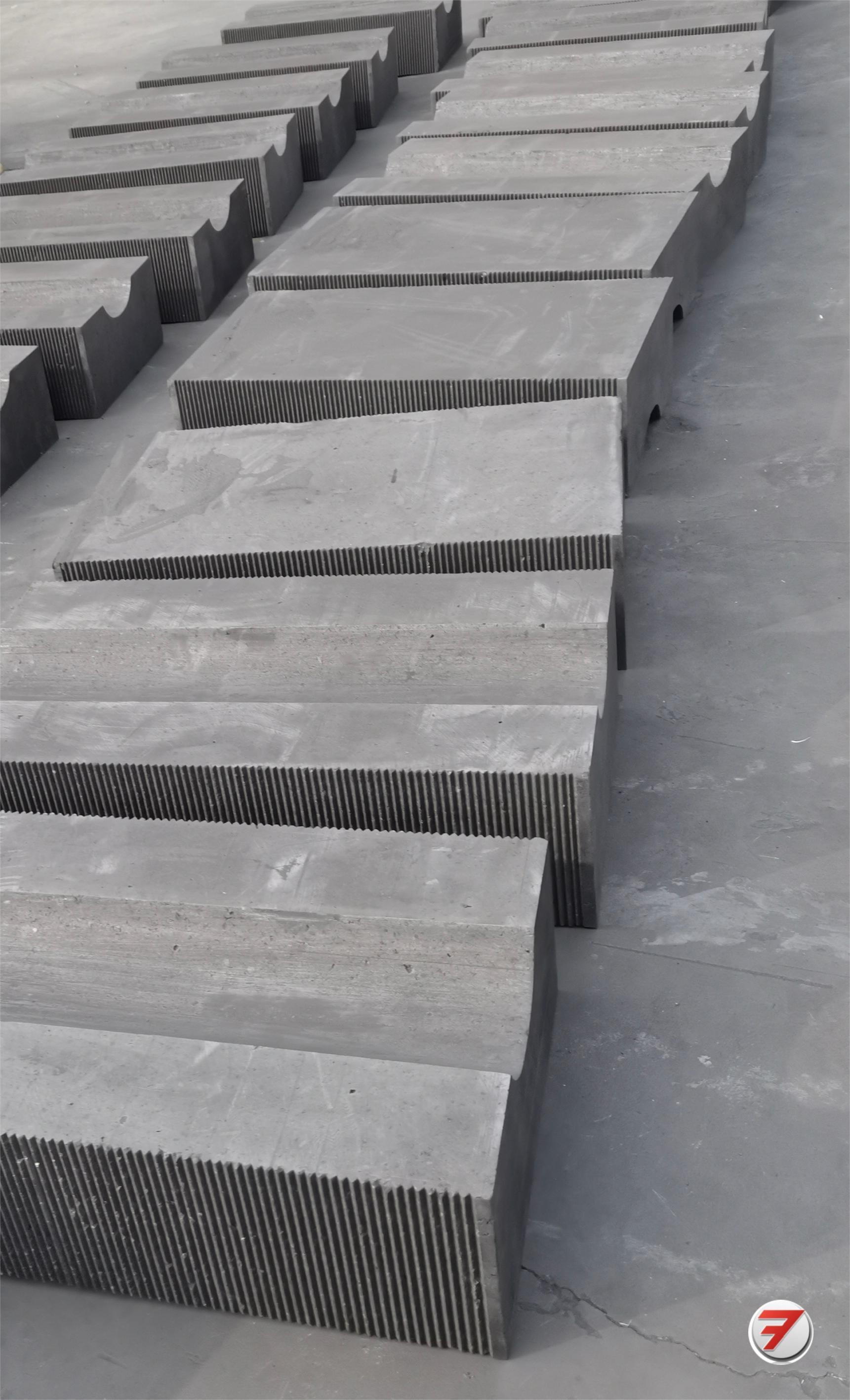
Exploring the Properties of Graphite Blocks for Industrial Use
Table of Contents
- Introduction to Graphite Blocks
- What Are Graphite Blocks?
- Unique Properties of Graphite Blocks
- Manufacturing Process of Graphite Blocks
- Applications of Graphite Blocks in Industries
- Advantages of Using Graphite Blocks
- Future Trends in Graphite Block Production
- FAQs about Graphite Blocks
- Conclusion
Introduction to Graphite Blocks
Graphite blocks have emerged as essential materials in various industrial applications due to their unique properties. As industries strive for efficiency and sustainability, understanding the characteristics of graphite blocks can lead to innovative solutions in manufacturing processes, electronics, and energy production. This article will explore the properties of graphite blocks, their manufacturing processes, applications across different sectors, and the advantages they offer.
What Are Graphite Blocks?
Graphite blocks are solid pieces made from natural or synthetic graphite. They possess a layered structure, which gives them distinct physical and chemical properties. Graphite is a form of carbon in which the carbon atoms are arranged in a crystalline structure, allowing for the unique characteristics that make it ideal for numerous industrial applications. These blocks can vary in size and purity, depending on the intended use, and are often produced through pressing, sintering, and other manufacturing techniques.
Unique Properties of Graphite Blocks
Graphite blocks are known for several unique properties, making them valuable across multiple industries.
Electrical Conductivity
One of the most remarkable properties of graphite is its excellent electrical conductivity. This feature is attributed to the mobility of electrons within its layered structure. As a result, graphite blocks are widely utilized in electrical applications, including electrodes in batteries and electrolysis processes, contributing to enhanced performance and efficiency.
Thermal Stability
Graphite blocks can withstand high temperatures without significant degradation. With a melting point exceeding 3,600°C (6,500°F), they are ideal for high-temperature applications, including furnaces and crucibles. This thermal stability ensures that graphite can maintain its integrity and performance in extreme conditions.
Chemical Resistance
Graphite is highly resistant to chemical corrosion, making it suitable for use in harsh environments. It does not react with most acids and bases, allowing graphite blocks to be used in chemical processing equipment and other applications where exposure to corrosive substances is a concern.
Mechanical Strength
Graphite blocks possess impressive mechanical strength, particularly in supporting applications. Their ability to withstand significant pressure without deformation makes them suitable for various industrial uses, including as structural components in machinery and equipment.
Manufacturing Process of Graphite Blocks
The manufacturing process of graphite blocks involves several steps to ensure the final product meets the required specifications.
1. **Raw Material Selection**: The quality of graphite blocks begins with the selection of raw materials. Natural graphite or synthetic graphite are commonly used, depending on the desired properties of the final product.
2. **Milling and Mixing**: The raw graphite is milled into a fine powder and mixed with binders to enhance its cohesiveness. This step is crucial as it affects the overall quality of the blocks produced.
3. **Pressing**: The mixture is then pressed into molds to form the desired shape of the graphite block. This process can be done using various techniques, including cold isostatic pressing or uniaxial pressing.
4. **Sintering**: The pressed blocks are subjected to high temperatures in a controlled environment to facilitate the sintering process. This step helps to eliminate air pockets and enhances the density and strength of the blocks.
5. **Finishing**: Finally, the blocks undergo finishing processes, which may include cutting, grinding, and surface treatment, to meet specific dimensional and surface quality requirements.
Applications of Graphite Blocks in Industries
Graphite blocks find extensive applications in several industries, thanks to their unique properties.
Electronics
In the electronics sector, graphite blocks are primarily used in manufacturing electrodes for batteries and fuel cells. Their excellent electrical conductivity enables efficient energy storage and conversion, making them vital in developing advanced electronic devices.
Metallurgy
Graphite blocks play a significant role in the metallurgical industry, particularly in casting and foundry applications. They are used in molds, crucibles, and other components that require high-temperature resistance and durability. Their ability to maintain structural integrity under extreme heat makes them indispensable in metal processing.
Energy Sector
In the energy sector, graphite blocks are utilized in nuclear reactors as moderators and structural materials. Their thermal stability and resistance to radiation damage ensure safe and efficient operation in critical environments. Additionally, they are used in renewable energy applications, including solar panels and wind turbines.
Construction
Graphite blocks are also finding applications in the construction industry. They are used as components in specialized building materials and insulation products due to their thermal properties. Their lightweight yet strong characteristics make them ideal for modern construction demands.
Advantages of Using Graphite Blocks
The advantages of using graphite blocks in industrial applications are numerous:
1. **Cost-Effectiveness**: Graphite blocks are highly durable, which reduces maintenance and replacement costs over time.
2. **Eco-Friendly**: Graphite is a natural material, and its production process can be designed to minimize environmental impact.
3. **Versatility**: The adaptability of graphite blocks allows them to be used in various applications across multiple industries.
4. **Performance Optimization**: Their unique properties can enhance the efficiency and performance of various industrial processes.
Future Trends in Graphite Block Production
As industries evolve, so does the demand for advanced materials. The future of graphite block production is likely to see the incorporation of innovative technologies, such as additive manufacturing and enhanced recycling processes. Ongoing research aims to improve the properties of graphite blocks, making them even more efficient and sustainable.
Moreover, with the growing emphasis on sustainability, the industry is likely to focus on sourcing graphite from environmentally friendly channels and reducing the carbon footprint associated with graphite production.
FAQs about Graphite Blocks
1. What are the main uses of graphite blocks in industry?
Graphite blocks are primarily used in electronics, metallurgy, the energy sector, and construction. Their unique properties make them suitable for high-temperature applications and as conductive materials.
2. How are graphite blocks manufactured?
Graphite blocks are manufactured through a process that includes raw material selection, milling, pressing, sintering, and finishing.
3. What are the key properties of graphite blocks?
The key properties of graphite blocks include electrical conductivity, thermal stability, chemical resistance, and mechanical strength.
4. Are graphite blocks eco-friendly?
Yes, graphite is a natural material, and with advancements in production methods, graphite blocks can be produced with a minimal environmental impact.
5. How do graphite blocks contribute to energy efficiency?
Graphite blocks enhance energy efficiency through their excellent electrical conductivity, making them ideal for applications in batteries and energy conversion systems.
Conclusion
Graphite blocks are indispensable in various industrial applications due to their unique properties, including electrical conductivity, thermal stability, and chemical resistance. As industries continue to evolve, the demand for graphite blocks is likely to grow, particularly in sectors focused on sustainability and efficiency. Understanding these properties and their applications can help businesses optimize their processes and stay competitive in an ever-changing market. By leveraging the advantages of graphite blocks, industries can enhance their operational efficiency and drive innovation forward.
Contact Us
E-mail:
Phone/WhatsApp:
+86 15711363051
Address:
Xingchuang International C912, Xinya Street No.15, Daxing District, Beijing, China



Contact
TEL: +8615711363051
EMAIL: sales@topflymaterial.com
ADD: Xingchuang International C912, Xinya Street No.15, Daxing District, Beijing, China