
How Molded Graphite is Revolutionizing Thermal Management Solutions
Aug 02,2026
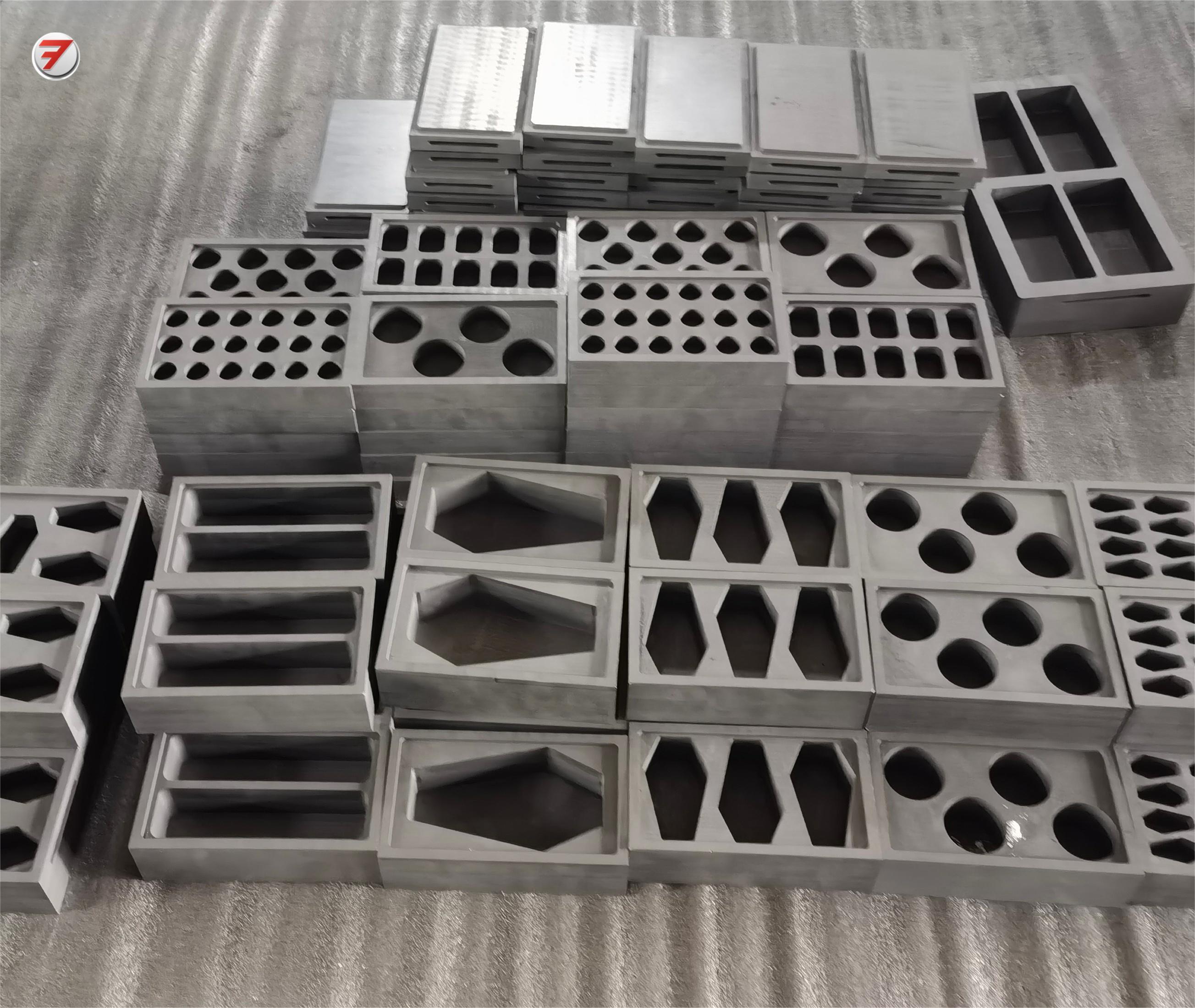
How Molded Graphite is Revolutionizing Thermal Management Solutions
Table of Contents
- Introduction to Molded Graphite
- What is Molded Graphite?
- Unique Properties of Molded Graphite
- Applications of Molded Graphite in Thermal Management
- Advantages of Using Molded Graphite
- Comparing Molded Graphite with Other Thermal Solutions
- Future Trends in Thermal Management Solutions
- Frequently Asked Questions
- Conclusion
Introduction to Molded Graphite
Molded graphite has emerged as an innovative material that is significantly reshaping the landscape of thermal management solutions. With the increasing demands for efficient heat dissipation in a variety of applications, including electronics, automotive, and aerospace industries, molded graphite offers unparalleled advantages. This article provides an in-depth exploration of molded graphite, its properties, applications, and the benefits that make it a game-changer in thermal management.
What is Molded Graphite?
Molded graphite is a type of synthetic graphite that is produced through a process of molding and baking carbon materials at high temperatures. This process results in a dense, isotropic material known for its excellent thermal conductivity, mechanical strength, and resistance to thermal shock. Molded graphite can be tailored to meet specific performance requirements, making it a versatile choice for various applications.
The Manufacturing Process of Molded Graphite
The manufacturing of molded graphite involves several key steps:
1. **Material Selection**: High-purity carbon materials are chosen to ensure optimal performance.
2. **Molding**: The carbon material is shaped into the desired form using precision molds.
3. **Baking**: The molded product is heated to high temperatures in an inert atmosphere, which transforms the carbon into graphite.
4. **Graphitization**: The final baking process further enhances the graphite’s properties by aligning the carbon atoms.
This meticulous process results in a high-quality material with unique characteristics suitable for thermal management.
Unique Properties of Molded Graphite
Molded graphite exhibits a range of exceptional properties that contribute to its effectiveness as a thermal management solution:
High Thermal Conductivity
One of the most significant advantages of molded graphite is its high thermal conductivity, often exceeding that of metals like copper and aluminum. This property allows for efficient heat transfer, making it ideal for applications where rapid heat dissipation is crucial.
Lightweight and Durable
Molded graphite is lightweight compared to traditional metals, which can help reduce the overall weight of products, especially in the aerospace and automotive industries. Additionally, its durability ensures longevity and resistance to wear and thermal shock.
Chemical Resistance
Molded graphite demonstrates excellent resistance to a wide range of chemicals, which makes it suitable for use in harsh environments.
Thermal Expansion Stability
Molded graphite has a low coefficient of thermal expansion, which minimizes the risk of warping or deformation under varying temperatures.
Applications of Molded Graphite in Thermal Management
Molded graphite finds application in various industries, primarily due to its thermal properties and versatility.
Electronics
In the electronics sector, molded graphite is used for heat sinks, thermal pads, and other components that require efficient heat dissipation. Its ability to manage heat effectively helps enhance the performance and reliability of electronic devices.
Aerospace
The aerospace industry utilizes molded graphite for components that must withstand extreme temperatures and conditions. Its lightweight nature and high thermal performance make it an excellent choice for aircraft design.
Automotive
In automotive applications, molded graphite is used in engine components, battery systems, and thermal management systems to improve efficiency and performance.
Renewable Energy Systems
Molded graphite is increasingly being integrated into renewable energy systems, such as solar panels and wind turbines, where thermal management is vital to maximize energy output.
Advantages of Using Molded Graphite
The integration of molded graphite in thermal management solutions offers several significant advantages:
Energy Efficiency
By providing efficient heat dissipation, molded graphite helps reduce energy consumption and enhances the overall energy efficiency of systems.
Cost-Effectiveness
Although the initial investment may be higher, the durability and longevity of molded graphite components lead to reduced replacement costs and maintenance over time.
Design Flexibility
Molded graphite can be manufactured in various shapes and sizes, allowing for design flexibility in applications ranging from compact electronic devices to large aerospace components.
Comparing Molded Graphite with Other Thermal Solutions
When evaluating thermal management solutions, it is crucial to compare molded graphite with alternative materials such as metals and ceramics.
Molded Graphite vs. Metals
While metals like copper and aluminum are commonly used for thermal management, they often have limitations in weight, corrosion, and thermal expansion. Molded graphite, with its high thermal conductivity and lightweight nature, provides a viable alternative.
Molded Graphite vs. Ceramics
Ceramics may offer high thermal resistance but generally lack the thermal conductivity required for effective heat management. Molded graphite strikes an ideal balance between thermal conductivity and mechanical strength.
Future Trends in Thermal Management Solutions
As industries continue to evolve, the demand for advanced thermal management solutions will grow. Molded graphite is poised to play a significant role in this development.
Innovations in Material Science
Ongoing research in material science is expected to lead to new formulations of molded graphite with enhanced properties, further expanding its applications.
Integration with Smart Technologies
The rise of smart technologies will see molded graphite integrated into various devices, enhancing their thermal management capabilities and improving overall performance.
Frequently Asked Questions
1. What industries benefit from molded graphite?
Molded graphite is utilized across multiple industries, including electronics, aerospace, automotive, and renewable energy.
2. How does molded graphite compare to traditional thermal management materials?
Molded graphite offers superior thermal conductivity, is lightweight, and provides better resistance to thermal shock compared to traditional materials.
3. Is molded graphite environmentally friendly?
Yes, molded graphite is made from natural carbon materials and can be recycled, making it a more sustainable option than many alternatives.
4. What are the typical applications of molded graphite in electronics?
Common applications include heat sinks, thermal pads, and components within power electronics, where efficient heat dissipation is critical.
5. How can molded graphite enhance energy efficiency?
By providing efficient heat dissipation, molded graphite helps maintain optimal operating temperatures, reducing energy consumption and improving overall system efficiency.
Conclusion
In conclusion, molded graphite is revolutionizing thermal management solutions by offering unparalleled thermal conductivity, lightweight design, and adaptability across various industries. As the demand for effective heat management grows, molded graphite stands out as a superior alternative to traditional materials. By embracing the benefits of molded graphite, industries can enhance energy efficiency, reduce costs, and improve the performance of their applications. The future of thermal management is bright, with molded graphite leading the way towards innovative and sustainable solutions.
Contact Us
E-mail:
Phone/WhatsApp:
+86 15711363051
Address:
Xingchuang International C912, Xinya Street No.15, Daxing District, Beijing, China



Contact
TEL: +8615711363051
EMAIL: sales@topflymaterial.com
ADD: Xingchuang International C912, Xinya Street No.15, Daxing District, Beijing, China