
Understanding Isostatic Graphite: Properties, Applications, and Benefits
Aug 01,2026
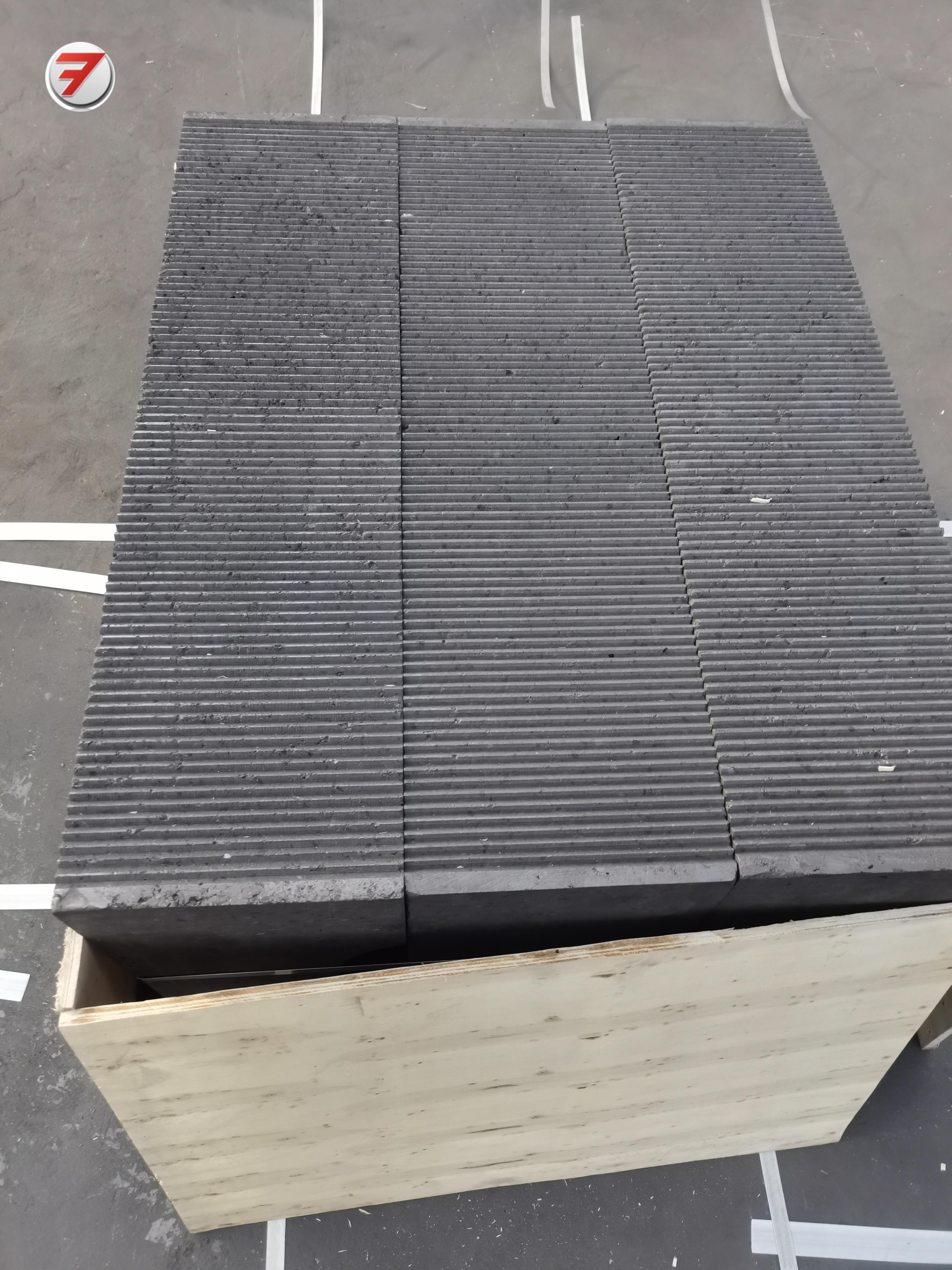
Isostatic graphite, often referred to as isostatically pressed graphite, is a highly versatile material known for its exceptional properties, making it invaluable in various industries, particularly metallurgy and energy sectors. This specialized form of graphite is produced through a unique manufacturing process that involves the application of equal pressure from all directions, resulting in a uniform density and structure.
One of the most notable characteristics of isostatic graphite is its high thermal conductivity. This property enables it to efficiently dissipate heat, making it ideal for applications that require effective thermal management. Additionally, isostatic graphite has excellent mechanical strength, which contributes to its durability even under challenging operational conditions. This combination of high thermal conductivity and mechanical robustness makes it a preferred choice for manufacturing components such as electrodes for electric arc furnaces, which are pivotal in the metallurgy industry.
Another significant aspect of isostatic graphite is its resistance to chemical corrosion. This characteristic is particularly important in environments where materials are exposed to aggressive chemicals or high temperatures. Isostatic graphite maintains its integrity under such conditions, ensuring a longer lifespan for components made from it.
In terms of applications, isostatic graphite is widely used in the production of high-performance materials, including those used in the aerospace, automotive, and semiconductor industries. For instance, it is often employed in the manufacturing of molds and dies due to its ability to withstand high pressures and temperatures without deforming. Moreover, the electronics sector utilizes isostatic graphite for its thermal management solutions, where efficient heat dissipation is crucial for the performance and reliability of electronic devices.
The benefits of using isostatic graphite extend beyond its physical properties. The precision and consistency achieved in its production process allow for the creation of components with tight tolerances and high-quality finishes. This level of detail is particularly advantageous in industries that demand exact specifications, such as aerospace and high-tech manufacturing.
In conclusion, isostatic graphite stands out as a critical material in the non-metallic mineral products sector, especially within metallurgy and energy industries. Its unique properties, such as high thermal conductivity, mechanical strength, and chemical resistance, along with its diverse applications, make it an essential component in modern manufacturing processes. As industries continue to evolve, the demand for high-performance materials like isostatic graphite is likely to increase, ensuring its place as a cornerstone in advanced material science.
Contact Us
E-mail:
Phone/WhatsApp:
+86 15711363051
Address:
Xingchuang International C912, Xinya Street No.15, Daxing District, Beijing, China



Contact
TEL: +8615711363051
EMAIL: sales@topflymaterial.com
ADD: Xingchuang International C912, Xinya Street No.15, Daxing District, Beijing, China