
A Comprehensive Guide to the Properties of RP Graphite Electrodes
Jul 31,2026
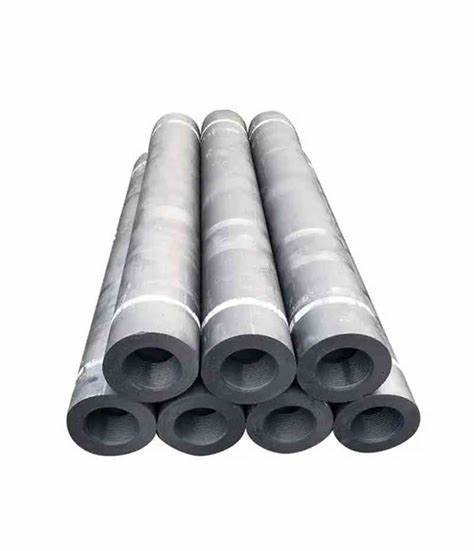
A Comprehensive Guide to the Properties of RP Graphite Electrodes
Table of Contents
1. Introduction to RP Graphite Electrodes
2. Understanding the Composition of RP Graphite Electrodes
3. Key Properties of RP Graphite Electrodes
3.1 Electrical Conductivity
3.2 Thermal Conductivity
3.3 Mechanical Strength
3.4 Chemical Resistance
4. Manufacturing Processes of RP Graphite Electrodes
5. Applications of RP Graphite Electrodes
5.1 Use in Electric Arc Furnaces
5.2 Role in Steel Production
5.3 Applications in the Aerospace Industry
6. Advantages of Using RP Graphite Electrodes
7. Comparison with Other Electrode Materials
8. Future Trends in RP Graphite Electrode Technology
9. Frequently Asked Questions (FAQs)
10. Conclusion
1. Introduction to RP Graphite Electrodes
RP graphite electrodes, or Regular Power graphite electrodes, are crucial components in numerous industrial processes, particularly in electric arc furnaces. With their unique physical and chemical properties, these electrodes facilitate efficient energy transfer, making them indispensable in metallurgical applications. Understanding the properties of RP graphite electrodes allows industries to optimize their processes and enhance product quality.
2. Understanding the Composition of RP Graphite Electrodes
The composition of RP graphite electrodes primarily consists of high-quality petroleum coke and a binding agent. The raw materials undergo a meticulous selection process, ensuring minimal impurities, which significantly enhances the quality of the final product. The combination of these materials results in electrodes that deliver superior performance under extreme conditions. The purity of the raw materials directly influences the electrode's properties, making this step fundamental in the manufacturing process.
3. Key Properties of RP Graphite Electrodes
Several properties make RP graphite electrodes ideal for various applications. These properties include electrical conductivity, thermal conductivity, mechanical strength, and chemical resistance. Understanding these characteristics is essential for industries that rely on these electrodes for their operations.
3.1 Electrical Conductivity
Electrical conductivity is one of the most critical properties of RP graphite electrodes. High electrical conductivity ensures efficient current transfer during the electrolysis process, which is fundamental in electric arc furnaces. This property is primarily influenced by the carbon content and structure of the graphite material. The better the electrical conductivity, the more efficient the melting and refining processes in metallurgical applications.
3.2 Thermal Conductivity
Thermal conductivity refers to the ability of RP graphite electrodes to conduct heat. This property is vital, especially in high-temperature metallurgical processes. The superior thermal conductivity of RP graphite electrodes minimizes energy loss during operation, thereby enhancing the overall efficiency of the furnace operation.
3.3 Mechanical Strength
Mechanical strength is crucial for the durability and longevity of RP graphite electrodes. They must withstand high mechanical stress during operation, particularly in electric arc furnaces. The combination of proper materials and manufacturing techniques ensures that these electrodes possess the necessary strength to perform efficiently under extreme conditions.
3.4 Chemical Resistance
Chemical resistance is another essential property of RP graphite electrodes. They are often exposed to various chemicals during metallurgical processes. High-quality RP graphite electrodes exhibit excellent resistance to oxidation and corrosion, ensuring their functionality and longevity over time.
4. Manufacturing Processes of RP Graphite Electrodes
The manufacturing of RP graphite electrodes involves several critical steps, each designed to enhance the properties of the final product. The main processes include:
1. **Raw Material Selection**: High-quality petroleum coke and pitch are selected for their purity and performance characteristics.
2. **Molding**: The selected materials are mixed and molded into the desired shape, typically cylindrical bars.
3. **Baking**: The molded products are subjected to high temperatures in a baking process, which removes volatile components and solidifies the structure.
4. **Graphitization**: The baked electrodes are placed in a graphitization furnace, where they undergo treatment at extremely high temperatures, converting the carbon structure into graphite.
5. **Machining**: Once graphitized, the electrodes are machined to precise specifications to ensure they meet industry standards.
6. **Quality Control**: The final product undergoes rigorous testing to ensure it meets all required specifications and standards before being released for use.
5. Applications of RP Graphite Electrodes
RP graphite electrodes serve numerous applications across various industries, with the most notable being in electric arc furnaces for steel production.
5.1 Use in Electric Arc Furnaces
Electric arc furnaces (EAF) are the primary users of RP graphite electrodes. The electrodes facilitate the melting of scrap steel and other metallic materials through electric arcs generated between the electrodes and the metallic charge. The efficient energy transfer and high thermal conductivity of RP graphite electrodes make them ideal for this application.
5.2 Role in Steel Production
In steel production, RP graphite electrodes play a vital role in recycling scrap steel and producing various grades of steel. The versatility and efficiency of these electrodes contribute significantly to the overall quality of the steel produced, ensuring that it meets the stringent demands of today's industries.
5.3 Applications in the Aerospace Industry
Beyond metallurgy, RP graphite electrodes are increasingly finding applications in the aerospace industry. Their lightweight, high thermal stability, and resistance to oxidation make them suitable for high-performance aerospace components, including heat shields and other critical parts.
6. Advantages of Using RP Graphite Electrodes
The advantages of RP graphite electrodes over other materials include:
- **Efficiency**: High electrical and thermal conductivity ensures efficient energy use.
- **Durability**: Excellent mechanical strength and chemical resistance enhance longevity.
- **Versatility**: Suitable for a wide range of applications beyond metallurgy.
- **Cost-Effectiveness**: The ability to recycle materials in electric arc furnaces reduces costs and environmental impact.
7. Comparison with Other Electrode Materials
When compared to other electrode materials, RP graphite electrodes stand out due to their unique properties. Unlike copper and other conductive materials, RP graphite electrodes offer higher thermal and electrical conductivity, along with superior resistance to thermal shock and oxidation. Additionally, their ability to perform well under high temperatures makes them more reliable for demanding applications.
8. Future Trends in RP Graphite Electrode Technology
The future of RP graphite electrodes looks promising, with ongoing advancements aimed at improving performance and reducing production costs. Research into alternative materials and advanced manufacturing techniques is expected to lead to even higher efficiency levels. Additionally, as industries continue to focus on sustainability, innovations in recycling techniques for graphite electrodes will likely play a crucial role in future developments.
9. Frequently Asked Questions (FAQs)
**Q1: What are RP graphite electrodes made of?**
A1: RP graphite electrodes are primarily made from high-quality petroleum coke and a binder, which undergo a series of manufacturing processes to enhance their properties.
**Q2: How are RP graphite electrodes used in electric arc furnaces?**
A2: In electric arc furnaces, RP graphite electrodes generate electric arcs that melt scrap steel and other metallic materials, facilitating efficient steel production.
**Q3: What advantages do RP graphite electrodes have over other materials?**
A3: RP graphite electrodes offer superior electrical and thermal conductivity, excellent mechanical strength, and chemical resistance, making them ideal for demanding industrial applications.
**Q4: What is the manufacturing process of RP graphite electrodes?**
A4: The manufacturing process involves raw material selection, molding, baking, graphitization, machining, and quality control to ensure high-performance electrodes.
**Q5: Are RP graphite electrodes environmentally friendly?**
A5: Yes, RP graphite electrodes can be recycled in electric arc furnaces, reducing waste and supporting sustainable manufacturing practices.
10. Conclusion
In conclusion, RP graphite electrodes are indispensable in various industrial applications, particularly in electric arc furnaces for steel production. Their unique properties, including high electrical and thermal conductivity, mechanical strength, and chemical resistance, make them a preferred choice in the metallurgical industry. As technology advances, the application and efficiency of RP graphite electrodes are expected to improve further, solidifying their role in modern manufacturing processes. Understanding their properties and applications is key for industries aiming to optimize their operations and enhance product quality.
Contact Us
E-mail:
Phone/WhatsApp:
+86 15711363051
Address:
Xingchuang International C912, Xinya Street No.15, Daxing District, Beijing, China



Contact
TEL: +8615711363051
EMAIL: sales@topflymaterial.com
ADD: Xingchuang International C912, Xinya Street No.15, Daxing District, Beijing, China