
The Essential Role of Graphite Electrodes in Metallurgy and Energy Industries
Jul 30,2026
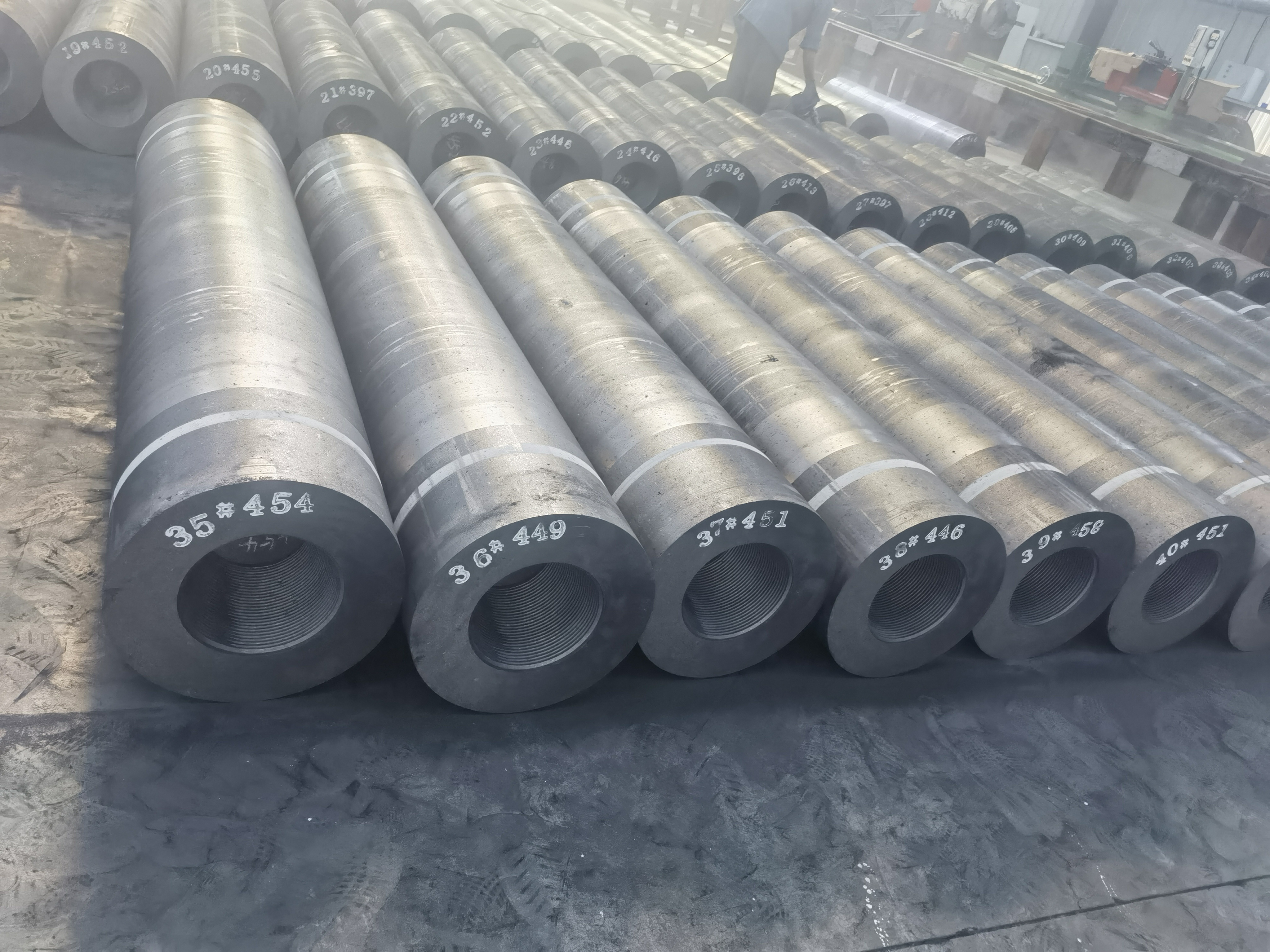
Graphite electrodes are vital components utilized in electric arc furnaces (EAF) and other industrial applications. Their primary function is to conduct electrical current to generate heat, which is essential for melting steel and other metals in metallurgical processes. Understanding the properties and applications of graphite electrodes can significantly enhance operational efficiency in the metallurgy industry.
One of the defining characteristics of graphite electrodes is their high resistance to thermal shock, which allows them to withstand extreme temperatures and rapid temperature changes. This property makes them particularly well-suited for EAF operations, where molten metal can reach temperatures exceeding 1600°C. Additionally, graphite electrodes exhibit excellent electrical conductivity, enabling efficient energy transfer during melting processes. This efficiency is crucial for reducing operational costs and improving overall productivity.
The production of high-quality graphite electrodes involves several critical stages, including the selection of raw materials, the manufacturing process, and quality control measures. The choice of high-purity petroleum coke, for example, significantly impacts the performance of the final product. Furthermore, the manufacturing process, which includes baking, graphitization, and machining, must be meticulously controlled to ensure that the electrodes meet stringent industry standards.
Another essential consideration in the field of graphite electrodes is the environmental impact of their production and use. As industries shift towards more sustainable practices, the development of eco-friendly electrode materials and production methods has gained attention. Innovations such as utilizing renewable energy sources in the manufacturing process and recycling spent electrodes can contribute to a more sustainable future for the graphite industry.
Moreover, market trends and demand fluctuations can influence the availability and pricing of graphite electrodes. Factors such as global steel production levels, advancements in electric arc furnace technology, and the rise of alternative materials can affect the overall market landscape. Keeping abreast of these trends is essential for professionals in the metallurgy and energy sectors to make informed decisions regarding procurement and production strategies.
In conclusion, graphite electrodes are indispensable in the metallurgy and energy industries, demanding a thorough understanding of their properties, applications, and market dynamics. By focusing on quality production, sustainability, and market awareness, professionals can leverage the advantages of graphite electrodes to enhance their operational efficiency and competitiveness in the ever-evolving industrial landscape.
Contact Us
E-mail:
Phone/WhatsApp:
+86 15711363051
Address:
Xingchuang International C912, Xinya Street No.15, Daxing District, Beijing, China



Contact
TEL: +8615711363051
EMAIL: sales@topflymaterial.com
ADD: Xingchuang International C912, Xinya Street No.15, Daxing District, Beijing, China