
The Essential Guide to Graphite Blocks in Metallurgy and Energy
Aug 03,2026
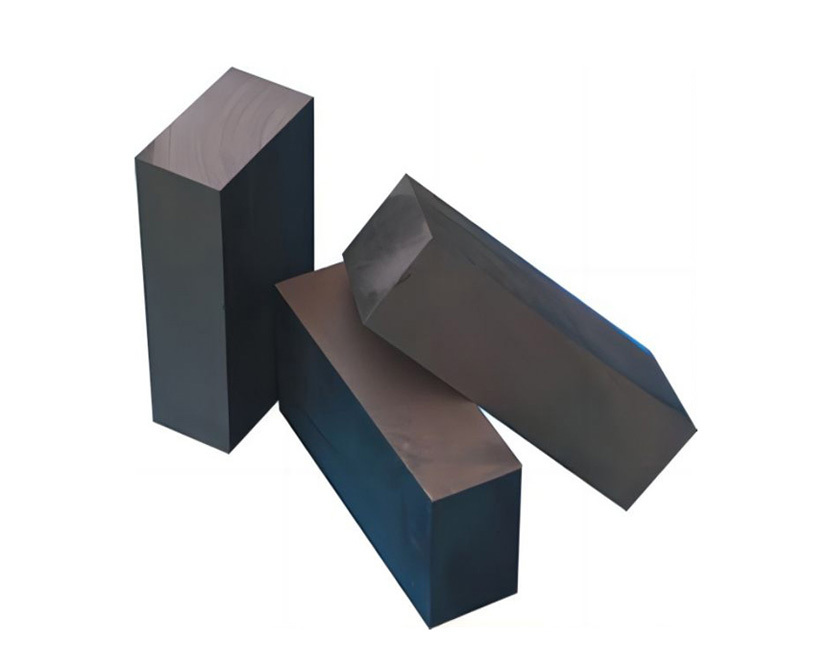
Graphite blocks are a crucial component in the metallurgy and energy industries, primarily due to their unique properties such as high thermal conductivity, excellent electrical conductivity, and resistance to high temperatures. These characteristics make graphite blocks indispensable in various applications, from heat management to electrical components.
In metallurgy, graphite blocks are widely used as crucibles, which are essential for melting and casting metals. The ability of graphite to withstand extreme heat without deforming or melting makes it ideal for this purpose. Additionally, graphite blocks can facilitate the uniform distribution of heat during the melting process, ensuring better quality and consistency in the final metal products.
Another significant application of graphite blocks is in the production of electrodes for electric arc furnaces (EAFs). In EAFs, graphite electrodes conduct electricity to generate heat, enabling the melting of scrap metal or other materials. The efficiency of these processes often hinges on the quality of the graphite blocks used, as they directly affect the melting time and energy consumption. Moreover, graphite blocks can endure the intense conditions of arc furnaces, making them reliable for prolonged usage.
In energy applications, graphite blocks play a pivotal role in the development of batteries and fuel cells. Their high conductivity ensures efficient energy transfer and storage, which is crucial for powering electric vehicles and other advanced technologies. With the increasing demand for renewable energy solutions, the need for high-performance graphite materials in energy storage systems is set to rise, positioning graphite blocks as a key player in future energy solutions.
Moreover, the use of graphite blocks extends to various other industries, such as lubricants and seals due to their self-lubricating properties and thermal stability. This versatility not only enhances performance but also contributes to sustainability, promoting longer-lasting components that reduce the need for frequent replacements.
In summary, graphite blocks are integral to the metallurgy and energy sectors, thanks to their exceptional physical and chemical properties. Whether in metal melting, electrical applications, or energy storage, the importance of graphite blocks cannot be overstated. As industries continue to innovate and evolve, the demand for high-quality graphite blocks is likely to grow, providing opportunities for advancements in technology and efficiency across multiple applications.
Contact Us
E-mail:
Phone/WhatsApp:
+86 15711363051
Address:
Xingchuang International C912, Xinya Street No.15, Daxing District, Beijing, China



Contact
TEL: +8615711363051
EMAIL: sales@topflymaterial.com
ADD: Xingchuang International C912, Xinya Street No.15, Daxing District, Beijing, China