
Exploring the Versatility of Graphite Boats in Metallurgy
Jun 30,2026
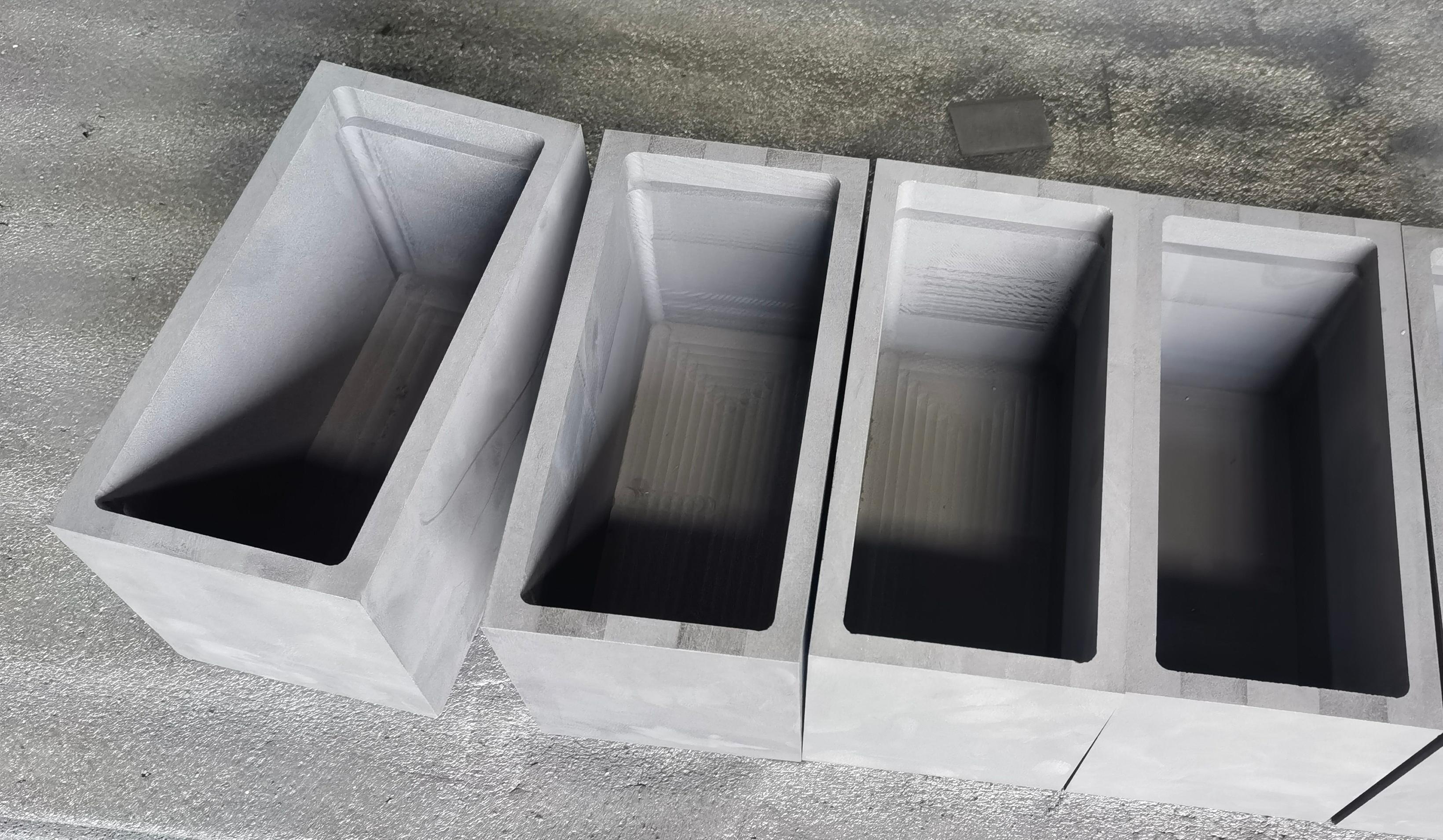
Graphite boats are indispensable components in the metallurgy and energy sectors, particularly in processes involving high-temperature applications. These specialized vessels are designed to hold, transport, and process materials such as metals and ceramics, making them crucial for a wide range of industrial applications.
One of the most significant advantages of graphite boats is their ability to withstand extreme temperatures. Graphite has a high melting point, and its thermal stability enables it to maintain structural integrity even under intense heat conditions. This property makes graphite boats ideal for use in processes like vacuum melting and sintering, where temperatures can exceed 3000 degrees Celsius. Such capabilities are invaluable in industries requiring precise temperature control and material integrity.
Another noteworthy characteristic of graphite is its excellent chemical resistance. Unlike many metals and alloys that may corrode or react unfavorably when exposed to certain materials, graphite exhibits remarkable stability in a variety of chemical environments. This feature allows graphite boats to be utilized in the handling of reactive materials, thus expanding their applicability across different metallurgical processes.
Furthermore, graphite boats contribute to improved efficiency in production processes. Their lightweight nature facilitates easier handling and transportation, reducing the overall energy consumption associated with these tasks. Additionally, graphite's low thermal expansion coefficient means that these boats maintain their dimensions more consistently than other materials, leading to more reliable and predictable processing outcomes.
In the context of energy production, graphite boats are also employed in the manufacturing of solar cells and batteries. The unique properties of graphite, such as its conductivity and thermal management capabilities, make it an excellent choice for components used in renewable energy applications. As industries continue to shift towards sustainable practices, the demand for innovative materials like graphite is expected to rise.
Moreover, the recyclability of graphite further enhances its appeal. As a material that can be reclaimed and reused, graphite boats align with the increasing emphasis on sustainability within modern production methods. This not only reduces waste but also contributes to a circular economy in the metallurgy and energy sectors.
In conclusion, graphite boats represent a remarkable fusion of durability, efficiency, and versatility, positioning them as essential tools in the metallurgy and energy industries. Their ability to withstand high temperatures, resist chemical reactions, and enhance production efficiency underscores the importance of graphite as a material of choice. As industries evolve and innovate, graphite boats will undoubtedly play a pivotal role in shaping the future of metallurgical processes.
One of the most significant advantages of graphite boats is their ability to withstand extreme temperatures. Graphite has a high melting point, and its thermal stability enables it to maintain structural integrity even under intense heat conditions. This property makes graphite boats ideal for use in processes like vacuum melting and sintering, where temperatures can exceed 3000 degrees Celsius. Such capabilities are invaluable in industries requiring precise temperature control and material integrity.
Another noteworthy characteristic of graphite is its excellent chemical resistance. Unlike many metals and alloys that may corrode or react unfavorably when exposed to certain materials, graphite exhibits remarkable stability in a variety of chemical environments. This feature allows graphite boats to be utilized in the handling of reactive materials, thus expanding their applicability across different metallurgical processes.
Furthermore, graphite boats contribute to improved efficiency in production processes. Their lightweight nature facilitates easier handling and transportation, reducing the overall energy consumption associated with these tasks. Additionally, graphite's low thermal expansion coefficient means that these boats maintain their dimensions more consistently than other materials, leading to more reliable and predictable processing outcomes.
In the context of energy production, graphite boats are also employed in the manufacturing of solar cells and batteries. The unique properties of graphite, such as its conductivity and thermal management capabilities, make it an excellent choice for components used in renewable energy applications. As industries continue to shift towards sustainable practices, the demand for innovative materials like graphite is expected to rise.
Moreover, the recyclability of graphite further enhances its appeal. As a material that can be reclaimed and reused, graphite boats align with the increasing emphasis on sustainability within modern production methods. This not only reduces waste but also contributes to a circular economy in the metallurgy and energy sectors.
In conclusion, graphite boats represent a remarkable fusion of durability, efficiency, and versatility, positioning them as essential tools in the metallurgy and energy industries. Their ability to withstand high temperatures, resist chemical reactions, and enhance production efficiency underscores the importance of graphite as a material of choice. As industries evolve and innovate, graphite boats will undoubtedly play a pivotal role in shaping the future of metallurgical processes.
Contact Us
E-mail:
Phone/WhatsApp:
+86 15711363051
Address:
Xingchuang International C912, Xinya Street No.15, Daxing District, Beijing, China



Contact
TEL: +8615711363051
EMAIL: sales@topflymaterial.com
ADD: Xingchuang International C912, Xinya Street No.15, Daxing District, Beijing, China