
Top Applications for Graphite Blocks in Non-Metallic Minerals: Unlocking Versatile Solutions
Jun 29,2026
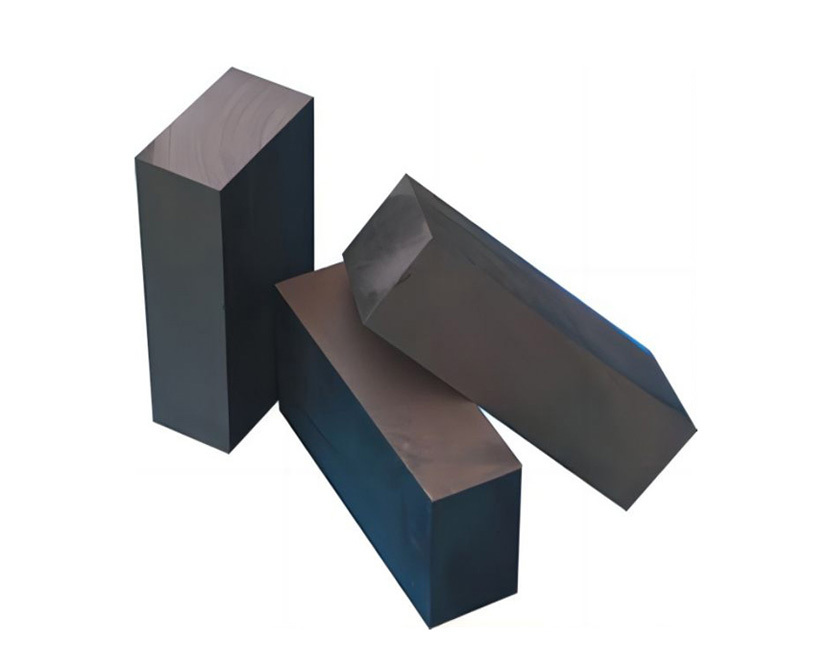
Top Applications for Graphite Blocks in Non-Metallic Minerals
Graphite blocks have emerged as a crucial component in the non-metallic minerals sector, offering a myriad of applications that enhance performance and efficiency. With their unique physical and chemical properties, these blocks are utilized in various industries, making them indispensable in modern manufacturing processes.
Understanding Graphite Blocks: Properties and Characteristics
Graphite blocks are made from natural graphite, which is renowned for its excellent conductivity, thermal resistance, and lubricating properties. These blocks are lightweight yet robust, making them suitable for various applications. The key characteristics of graphite blocks include:
- **High thermal conductivity:** Graphite can withstand high temperatures without degrading, making it ideal for applications that involve heat.
- **Chemical inertness:** They are resistant to chemicals, which ensures longevity and reliability in harsh environments.
- **Low friction:** Their lubricating properties reduce wear and tear, enhancing the lifespan of equipment.
These properties make graphite blocks a preferred material in many industrial applications.
Key Applications of Graphite Blocks in Non-Metallic Minerals
Graphite blocks find applications in several sectors, each benefiting from their unique characteristics. Below, we explore some of the most significant applications.
1. Steelmaking and Foundries
In the steelmaking industry, graphite blocks are used as crucibles and linings for furnaces. Their ability to withstand extreme temperatures and resist oxidation makes them essential in metal casting processes. Graphite blocks serve to:
- Enhance the efficiency of heat transfer.
- Improve the quality of molten metal by reducing contamination.
- Extend the life of furnace linings.
2. Lubricants in Machinery and Equipment
The low friction properties of graphite make it an ideal lubricant. Graphite blocks are often utilized in machinery where traditional oils may not be suitable. Their advantages include:
- Providing a dry lubrication option in high-temperature environments.
- Reducing maintenance costs due to lower wear and tear on equipment.
- Enhancing overall machinery performance and efficiency.
3. Electrical Applications
Graphite blocks are widely used in the electrical industry, particularly in the manufacturing of electrodes and batteries. Key benefits include:
- High electrical conductivity, which is essential for efficient energy transfer.
- The ability to withstand thermal and electrical stress, increasing the lifespan of electrical components.
- Application in lithium-ion batteries, where graphite serves as an anode material, enhancing battery performance.
4. Thermal Management Solutions
In various industries, effective thermal management is crucial. Graphite blocks are used in heat sinks and thermal insulation materials due to their excellent thermal conductivity. This application helps to:
- Improve the efficiency of electronic devices.
- Prevent overheating in various industrial processes.
- Extend the lifespan of components by maintaining optimal temperature levels.
5. Construction and Building Materials
In the construction industry, graphite blocks are incorporated into building materials to enhance performance. They are used in:
- Fire-resistant materials, providing an additional layer of safety in construction.
- Lightweight concrete, contributing to energy efficiency and ease of transportation.
- Insulation materials, improving thermal efficiency in buildings.
6. Advanced Manufacturing Processes
Graphite blocks are integral to advanced manufacturing processes like 3D printing and machining. Their applications in these areas include:
- Serving as a base material for 3D printing, allowing for the creation of complex shapes.
- Providing a stable machining surface due to their rigidity and resilience.
- Enhancing the precision of manufactured components, leading to superior end products.
7. Chemical Industry Applications
In the chemical industry, graphite blocks are utilized as reactors and heat exchangers. Their resistance to corrosion and high temperatures makes them suitable for:
- Facilitating chemical reactions in a safe and efficient manner.
- Enhancing the durability and efficiency of heat exchangers, which is crucial for process optimization.
- Reducing the risk of contamination in sensitive chemical processes.
8. Aerospace and Defense
The aerospace and defense industries require materials that can withstand extreme conditions. Graphite blocks are ideal for applications such as:
- Thermal protection systems in spacecraft, where they can resist high temperatures during re-entry.
- Components in military aircraft, enhancing durability and performance under severe conditions.
- Manufacturing of aerospace parts that require lightweight yet strong materials.
Future Trends: Innovations in Graphite Block Applications
As industries evolve, the applications of graphite blocks are expected to expand further. Innovations in technology will likely lead to new uses, including:
- Development of composite materials that incorporate graphite for enhanced strength and lightness.
- Advancements in battery technology, especially as the demand for electric vehicles grows.
- Potential applications in renewable energy sectors, such as solar panels.
FAQs about Graphite Blocks in Non-Metallic Minerals
1. What are the main benefits of using graphite blocks in manufacturing?
**Graphite blocks offer high thermal and electrical conductivity, low friction properties, and chemical resistance, making them ideal for various manufacturing processes.**
2. How does graphite compare to other materials in high-temperature applications?
**Graphite can withstand significantly higher temperatures than many alternatives without degrading, making it superior for high-temperature applications.**
3. Are graphite blocks environmentally friendly?
**Graphite is a natural material, and when sourced responsibly, it can be considered an environmentally friendly option in many applications.**
4. Can graphite blocks be recycled?
**Yes, graphite blocks can be recycled and repurposed, reducing waste and contributing to sustainability in manufacturing.**
5. What industries are the largest consumers of graphite blocks?
**The largest consumers include steelmaking, electrical, aerospace, construction, and advanced manufacturing industries.**
Conclusion
Graphite blocks play a pivotal role in the non-metallic minerals sector, offering versatile solutions across numerous applications. Their unique properties, including high thermal conductivity, chemical inertness, and low friction, make them essential in various industries. As innovations continue to emerge, the potential for graphite blocks will likely expand, paving the way for new applications and enhancing existing ones. By leveraging the advantages of graphite blocks, industries can achieve greater efficiency, durability, and performance in their operations. The future of graphite in non-metallic minerals appears promising, with continued exploration and innovations on the horizon.
Contact Us
E-mail:
Phone/WhatsApp:
+86 15711363051
Address:
Xingchuang International C912, Xinya Street No.15, Daxing District, Beijing, China



Contact
TEL: +8615711363051
EMAIL: sales@topflymaterial.com
ADD: Xingchuang International C912, Xinya Street No.15, Daxing District, Beijing, China