
High Purity Graphite: Pioneering the Future of Renewable Energy
Jul 01,2026
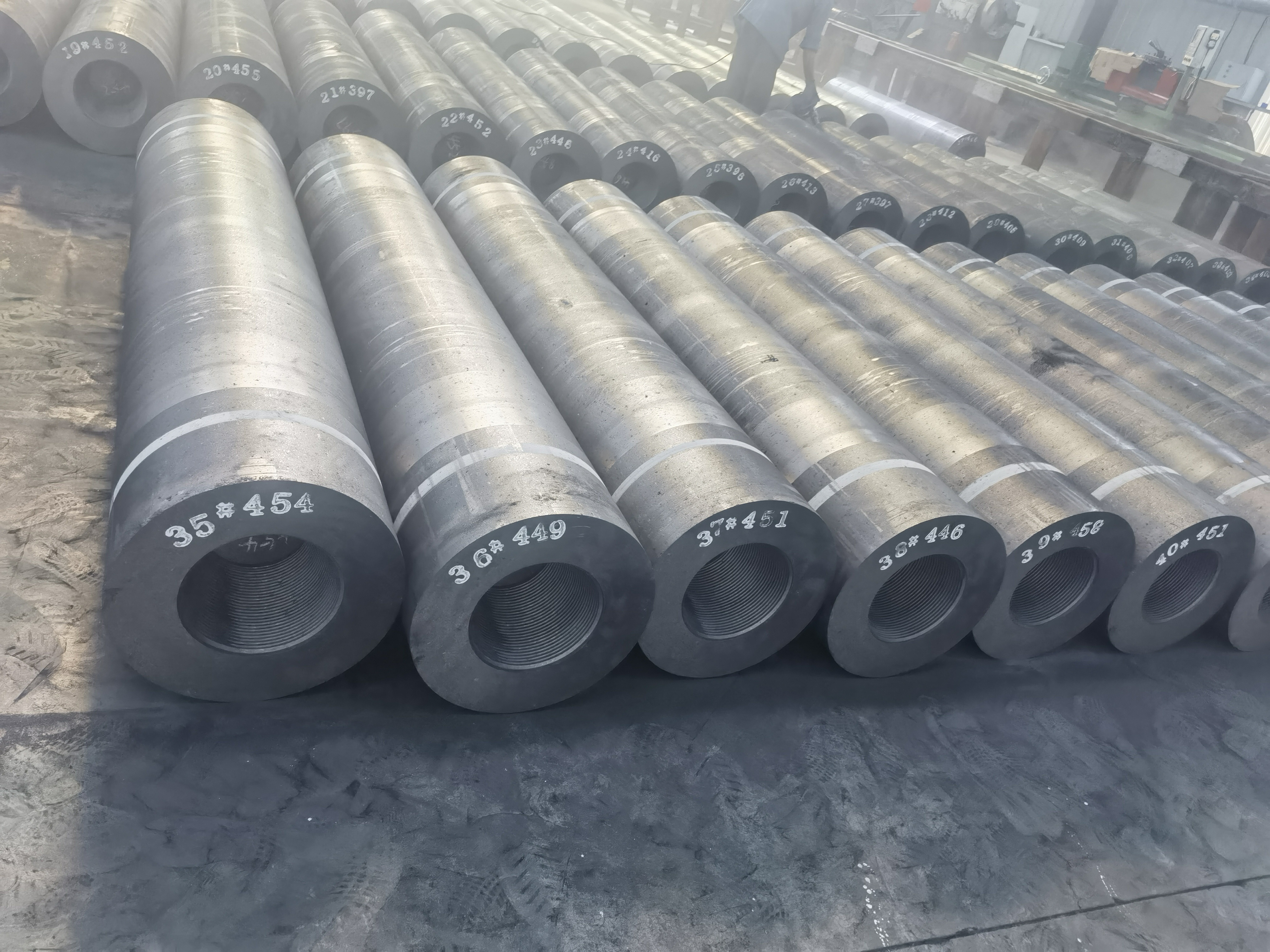
High Purity Graphite and Its Role in the Future of Renewable Energy
Table of Contents
1. Introduction to High Purity Graphite
2. The Importance of High Purity in Graphite
3. Applications of High Purity Graphite in Renewable Energy
3.1 High Purity Graphite in Lithium-Ion Batteries
3.2 Role of Graphite in Solar Energy Technologies
3.3 Graphite's Contribution to Hydrogen Fuel Cells
4. The Advantages of Using High Purity Graphite
5. Challenges in Graphite Production and Supply
6. Future Trends in High Purity Graphite Production
7. Environmental Impact of High Purity Graphite
8. Conclusion
9. FAQs
1. Introduction to High Purity Graphite
High purity graphite stands as a pivotal material in the evolving landscape of renewable energy. Defined by its high carbon content and low impurity levels, high purity graphite is engineered to fulfill the demanding requirements of various applications, particularly in energy storage and conversion technologies. As we pivot towards more sustainable energy solutions, understanding the role of high purity graphite is crucial for both innovation and implementation.
2. The Importance of High Purity in Graphite
The purity of graphite significantly influences its performance in technological applications. High purity graphite, typically defined as having a carbon content of 99.5% or higher, exhibits superior electrical conductivity, thermal resistance, and chemical stability. These properties are essential for applications where efficiency and durability are paramount, particularly in renewable energy systems. The presence of impurities can lead to performance degradation, reduced lifespan, and even failure in critical applications, underscoring the necessity for high purity in modern energy solutions.
3. Applications of High Purity Graphite in Renewable Energy
High purity graphite finds its applications across various sectors in renewable energy, each contributing to a more sustainable future.
3.1 High Purity Graphite in Lithium-Ion Batteries
Lithium-ion batteries are at the forefront of energy storage technology, powering everything from portable electronics to electric vehicles (EVs). High purity graphite is utilized in the anode material, where its superior conductivity facilitates efficient lithium-ion transport. This enhances battery performance, increasing energy density, charge rates, and longevity. As the demand for EVs continues to soar, the role of high purity graphite in improving battery technology cannot be overstated.
3.2 Role of Graphite in Solar Energy Technologies
In the realm of solar energy, high purity graphite is employed in photovoltaic cells and solar thermal systems. Its exceptional thermal conductivity aids in the management of heat within solar panels, enhancing efficiency and prolonging lifespan. Additionally, graphite's ability to conduct electricity plays a vital role in the conversion of solar energy to electrical energy. With the global shift toward solar energy, high purity graphite acts as a critical component in optimizing solar technology.
3.3 Graphite's Contribution to Hydrogen Fuel Cells
Hydrogen fuel cells represent a clean energy alternative, producing electricity through a chemical reaction between hydrogen and oxygen. High purity graphite is essential in the electrodes of fuel cells, where it facilitates the electron transfer necessary for the reaction. This improves the overall efficiency and performance of hydrogen fuel cells, making them a viable option for clean energy applications, from transportation to stationary power generation.
4. The Advantages of Using High Purity Graphite
The advantages of high purity graphite extend beyond its basic properties. It offers several benefits in renewable energy applications:
- **Enhanced Conductivity**: High purity graphite's superior electrical and thermal conductivity ensures optimal performance in energy storage and conversion systems.
- **Chemical Stability**: Its resistance to chemical reactions enhances the longevity and reliability of energy systems, reducing maintenance costs and downtime.
- **Environmentally Friendly**: As the demand for renewable energy rises, high purity graphite provides a sustainable alternative, minimizing reliance on fossil fuels.
These attributes position high purity graphite as a cornerstone in the advancement of renewable energy technologies.
5. Challenges in Graphite Production and Supply
Despite its advantages, the production and supply of high purity graphite face several challenges. The extraction process is energy-intensive and often environmentally damaging, leading to increased scrutiny from regulators and consumers alike. Additionally, the demand for high purity graphite is expected to outpace supply, particularly as electric vehicle markets expand. Addressing these challenges will require innovative solutions, including advancements in sustainable mining practices and recycling methods.
6. Future Trends in High Purity Graphite Production
Looking forward, several trends are shaping the future of high purity graphite production.
- **Sustainable Mining Practices**: Companies are increasingly adopting eco-friendly extraction methods to reduce the environmental impact of graphite mining.
- **Recycling Initiatives**: The recycling of graphite from spent batteries and other sources is gaining traction, offering a sustainable solution to meet the growing demand.
- **Technological Innovations**: Advances in purification techniques and processing methods are enhancing the quality and yield of high purity graphite.
These trends reflect a broader commitment to sustainability within the graphite industry, crucial for supporting the renewable energy sector.
7. Environmental Impact of High Purity Graphite
The environmental impact of high purity graphite production is a significant consideration in its role within renewable energy.
- **Land Disturbance**: Mining operations can lead to habitat destruction and land degradation if not managed responsibly.
- **Carbon Footprint**: The energy-intensive nature of graphite processing contributes to greenhouse gas emissions, underlining the need for cleaner technologies.
- **Waste Management**: The byproducts of graphite extraction and processing must be carefully managed to prevent pollution and ecosystem disruption.
Addressing these environmental challenges is vital for ensuring that high purity graphite can be a truly sustainable resource in the future of renewable energy.
8. Conclusion
High purity graphite is not just a critical material but a linchpin in the transition toward a renewable energy future. Its unique properties make it indispensable in batteries, solar technologies, and fuel cells, driving efficiency and sustainability across various applications. As we confront the challenges of production and environmental impact, innovative approaches will be essential to harness the full potential of high purity graphite. By investing in sustainable practices and recycling initiatives, we can ensure that high purity graphite continues to play a transformative role in the renewable energy landscape.
9. FAQs
1. What is high purity graphite?
High purity graphite is a form of graphite that possesses a carbon content of 99.5% or higher, making it suitable for high-performance applications in technology and energy.
2. Why is high purity graphite important for renewable energy?
High purity graphite is crucial for renewable energy applications because it enhances the efficiency, longevity, and reliability of energy systems such as batteries, solar panels, and fuel cells.
3. What are the main applications of high purity graphite?
High purity graphite is mainly used in lithium-ion batteries, solar energy technologies, and hydrogen fuel cells.
4. What challenges does the graphite industry face?
The graphite industry faces challenges such as environmental concerns related to mining practices, a potential supply shortage, and the need for sustainable production methods.
5. How does high purity graphite contribute to sustainability?
High purity graphite contributes to sustainability by enabling the development of efficient renewable energy technologies, reducing reliance on fossil fuels, and through recycling initiatives that minimize waste.
Contact Us
E-mail:
Phone/WhatsApp:
+86 15711363051
Address:
Xingchuang International C912, Xinya Street No.15, Daxing District, Beijing, China



Contact
TEL: +8615711363051
EMAIL: sales@topflymaterial.com
ADD: Xingchuang International C912, Xinya Street No.15, Daxing District, Beijing, China