
The Comprehensive Guide to Molded Graphite: Properties, Applications, and Advantages
May 28,2026
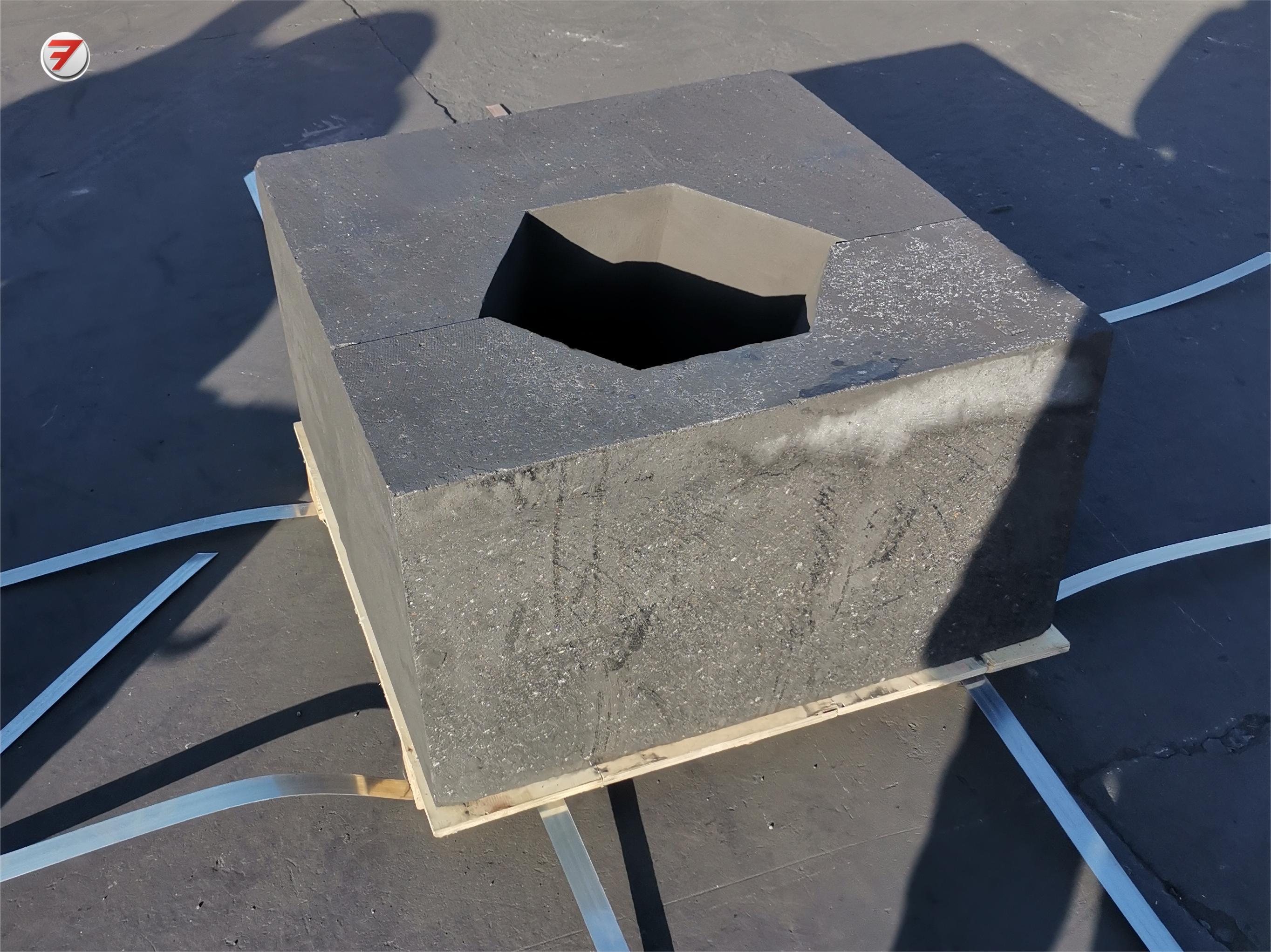
Molded graphite is a specialized form of graphite that has gained prominence due to its unique properties and versatility in various applications. As a non-metallic mineral product, molded graphite is predominantly used in metallurgy, mining, and energy sectors, where its performance characteristics can significantly enhance efficiency and product quality.
One of the primary advantages of molded graphite is its exceptional thermal conductivity. This property allows it to efficiently transfer heat, making it ideal for components used in high-temperature applications such as furnaces and reactors. Furthermore, molded graphite exhibits excellent resistance to thermal shock, which is crucial in environments where rapid temperature changes occur. This resilience helps to prolong the lifespan of components and reduce maintenance costs.
In addition to its thermal properties, molded graphite boasts outstanding electrical conductivity. This feature is particularly beneficial for use in electrodes, where efficient current transfer is essential. Applications in the metallurgy industry often utilize molded graphite electrodes in electric arc furnaces, facilitating the melting of metals with minimal energy loss. The ability to withstand extreme conditions while maintaining structural integrity makes molded graphite a preferred choice in many industrial processes.
Moreover, molded graphite is relatively lightweight, which can lead to reduced overall system weight in applications such as aerospace and automotive components. Its machinability also enables manufacturers to produce complex shapes and designs without compromising on quality. This adaptability makes molded graphite an attractive option for custom applications where precision and performance are paramount.
The chemical stability of molded graphite adds another layer of appeal, particularly in harsh environments. It is resistant to many chemicals, which helps prevent degradation and ensures the longevity of components manufactured from this material. As a result, molded graphite is often used in chemical processing equipment and various applications in the energy sector.
Another notable benefit is its capability for high-temperature application. Molded graphite can withstand temperatures exceeding 3000°C in inert atmospheres, making it suitable for use in furnaces and reactors designed for advanced materials processing.
In summary, molded graphite is a highly versatile material characterized by excellent thermal and electrical conductivity, chemical stability, and impressive mechanical properties. Its wide array of applications in the metallurgy, mining, and energy industries underscores its significance in modern manufacturing processes. Understanding the benefits and capabilities of molded graphite can help professionals make informed decisions about material selection and application in their respective fields. As industries continue to evolve, molded graphite remains a key player in advancing material technology and enhancing operational efficiency.
Contact Us
E-mail:
Phone/WhatsApp:
+86 15711363051
Address:
Xingchuang International C912, Xinya Street No.15, Daxing District, Beijing, China



Contact
TEL: +8615711363051
EMAIL: sales@topflymaterial.com
ADD: Xingchuang International C912, Xinya Street No.15, Daxing District, Beijing, China