
The Global Supply Chain Dynamics of Graphite Blocks: Uncovering Trends, Challenges, and Opportunities
May 29,2026
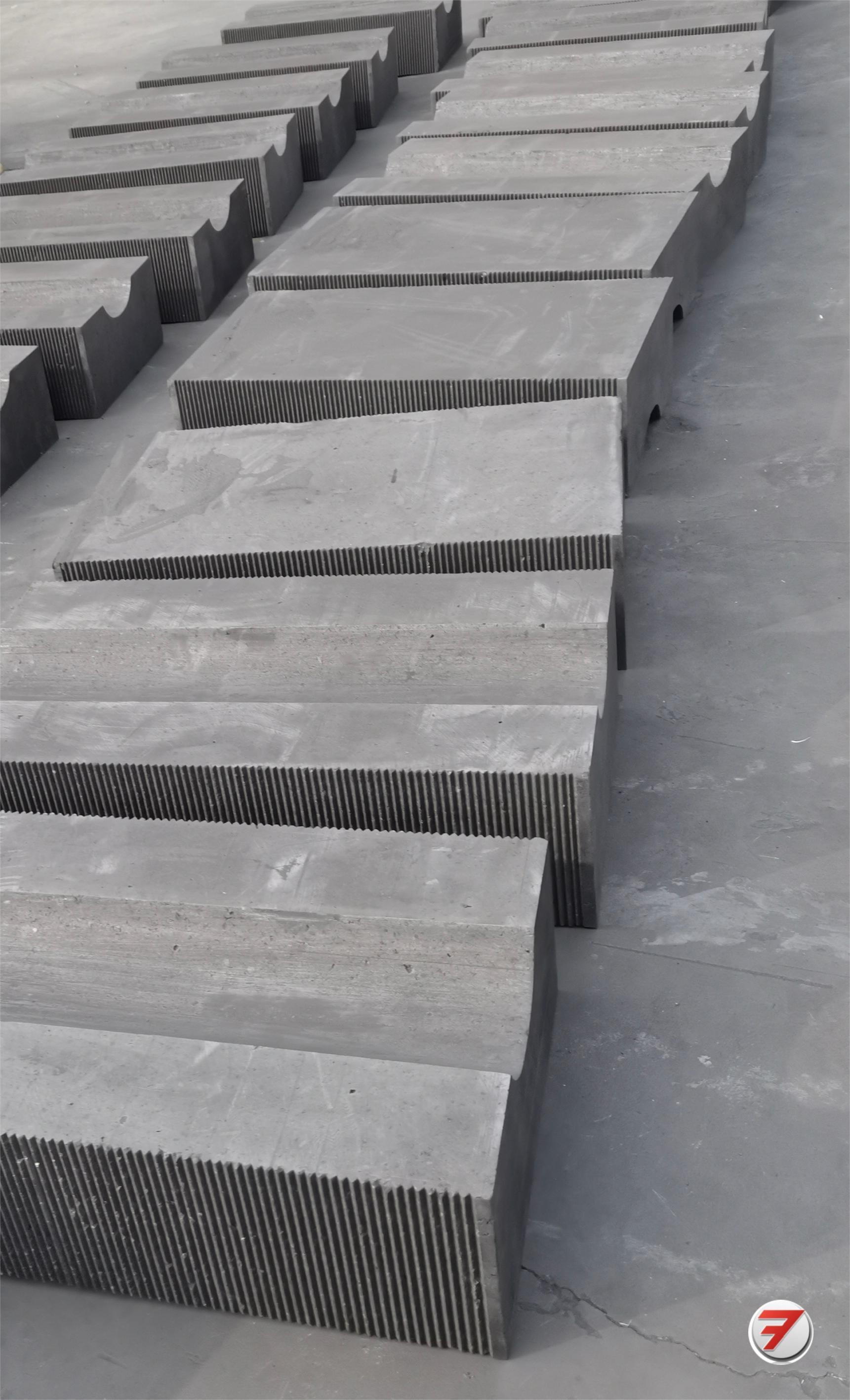
The Global Supply Chain Dynamics of Graphite Blocks
Table of Contents
1. Introduction to Graphite Blocks and Their Importance
2. Understanding the Graphite Supply Chain
2.1 Raw Material Sourcing
2.2 Processing and Manufacturing
2.3 Distribution Channels
3. Key Players in the Graphite Block Industry
4. Market Trends Affecting Graphite Blocks
4.1 Demand-Supply Dynamics
4.2 Technological Advancements
4.3 Environmental Considerations
5. Challenges in the Graphite Supply Chain
5.1 Supply Chain Disruptions
5.2 Regulatory Challenges
6. Opportunities in the Global Graphite Block Market
7. Future Outlook for Graphite Blocks
8. Frequently Asked Questions
9. Conclusion
1. Introduction to Graphite Blocks and Their Importance
Graphite, a form of carbon, is widely recognized for its remarkable properties, including high thermal conductivity, electrical conductivity, and resistance to high temperatures. **Graphite blocks** are vital components utilized in various industries, such as steel production, battery manufacturing, and machining. They serve as crucial materials for applications ranging from electrodes to lubricants, making their understanding imperative in today’s industrial landscape. Recognizing the intricacies of the **global supply chain dynamics of graphite blocks** helps stakeholders navigate challenges and capitalize on opportunities.
2. Understanding the Graphite Supply Chain
The supply chain for graphite blocks is multifaceted, involving various stages from raw material sourcing to final product delivery.
2.1 Raw Material Sourcing
The first step in the supply chain is sourcing the raw materials. Graphite is primarily mined from natural deposits or produced synthetically. Key geographical regions for natural graphite mining include China, Brazil, and Canada, which together account for a significant portion of global supply. The availability of high-quality graphite ore directly impacts production rates and costs.
2.2 Processing and Manufacturing
Once the raw material is sourced, it undergoes processing to enhance its purity and suitability for specific applications. Processing methods may include crushing, milling, and purification, followed by the manufacturing of graphite blocks through methods like molding and extrusion. The choice of manufacturing technique is crucial in determining the final product's quality and characteristics.
2.3 Distribution Channels
After manufacturing, the distribution of graphite blocks involves a network of suppliers, distributors, and retailers. This stage is critical for ensuring timely delivery to various industries, including automotive, electronics, and renewable energy sectors. Efficient logistics and transportation systems greatly influence the overall supply chain efficiency.
3. Key Players in the Graphite Block Industry
The graphite block industry comprises various key players, including mining companies, processing firms, and distributors. Major corporations dominate the market, focusing on innovation and sustainability. Understanding the competitive landscape, including emerging players and partnerships, is essential for stakeholders to navigate the dynamics effectively.
4. Market Trends Affecting Graphite Blocks
The graphite block market is influenced by several trends that shape demand and supply dynamics.
4.1 Demand-Supply Dynamics
Growing demand for graphite in battery production, particularly for electric vehicles, has led to increased interest in graphite block manufacturing. The rising need for sustainable energy solutions is propelling the market forward, prompting companies to innovate and expand their production capabilities.
4.2 Technological Advancements
Technological innovations play a significant role in enhancing the efficiency of graphite production and processing. Advanced mining techniques, AI-driven supply chain management, and automation are streamlining operations and reducing costs, further influencing market dynamics.
4.3 Environmental Considerations
Sustainability has become a focal point in the graphite industry. Companies are increasingly adopting eco-friendly practices, such as waste recycling and energy-efficient processes. Regulatory frameworks are also pushing the industry toward more sustainable operations, impacting supply chain strategies.
5. Challenges in the Graphite Supply Chain
Despite its potential, the graphite supply chain faces several challenges that can impede growth.
5.1 Supply Chain Disruptions
Global events, such as pandemics and geopolitical tensions, can disrupt supply chains, leading to material shortages and increased costs. Companies must develop resilient strategies to mitigate these risks and ensure continuity in their operations.
5.2 Regulatory Challenges
As environmental regulations become stricter, companies must comply with various local and international standards. Navigating these regulatory landscapes can be complex and costly, affecting profitability and operational efficiency.
6. Opportunities in the Global Graphite Block Market
The graphite block market presents numerous opportunities for growth. The shift towards renewable energy and electric vehicles is driving demand for high-quality graphite. By investing in research and development, companies can explore new applications and expand their market reach.
7. Future Outlook for Graphite Blocks
The future of the graphite block market appears promising, with projections indicating significant growth. As industries continue to adopt advanced technologies and prioritize sustainability, the demand for graphite blocks is expected to rise. Companies that adapt to changing market dynamics and invest in innovation will likely emerge as leaders in the industry.
8. Frequently Asked Questions
1. What are graphite blocks used for?
Graphite blocks are used in various applications, including electrodes for electric arc furnaces, lubricants, and components in battery production.
2. How is graphite mined?
Graphite is mined primarily through underground or open-pit mining methods, depending on its location and depth.
3. What are the environmental impacts of graphite mining?
Graphite mining can lead to habitat destruction, waste generation, and water pollution if not managed properly.
4. How can companies improve their graphite supply chain?
Companies can enhance their supply chain by adopting advanced technologies, fostering partnerships, and prioritizing sustainability in their operations.
5. What are the future trends in the graphite market?
Future trends include increased demand for electric vehicles, advancements in mining technology, and a focus on sustainability.
9. Conclusion
The global supply chain dynamics of graphite blocks reveal a complex interplay of factors influencing production and distribution. As industries evolve, understanding these dynamics will be crucial for stakeholders aiming to navigate challenges while seizing opportunities. By staying informed about market trends and embracing innovation, companies can position themselves for success in this ever-changing landscape. The prospects for the graphite block market remain strong, driven by technological advancements and heightened environmental awareness.
Contact Us
E-mail:
Phone/WhatsApp:
+86 15711363051
Address:
Xingchuang International C912, Xinya Street No.15, Daxing District, Beijing, China



Contact
TEL: +8615711363051
EMAIL: sales@topflymaterial.com
ADD: Xingchuang International C912, Xinya Street No.15, Daxing District, Beijing, China