
How to Choose the Right Isostatic Graphite for Your Project: A Comprehensive Guide
May 27,2026
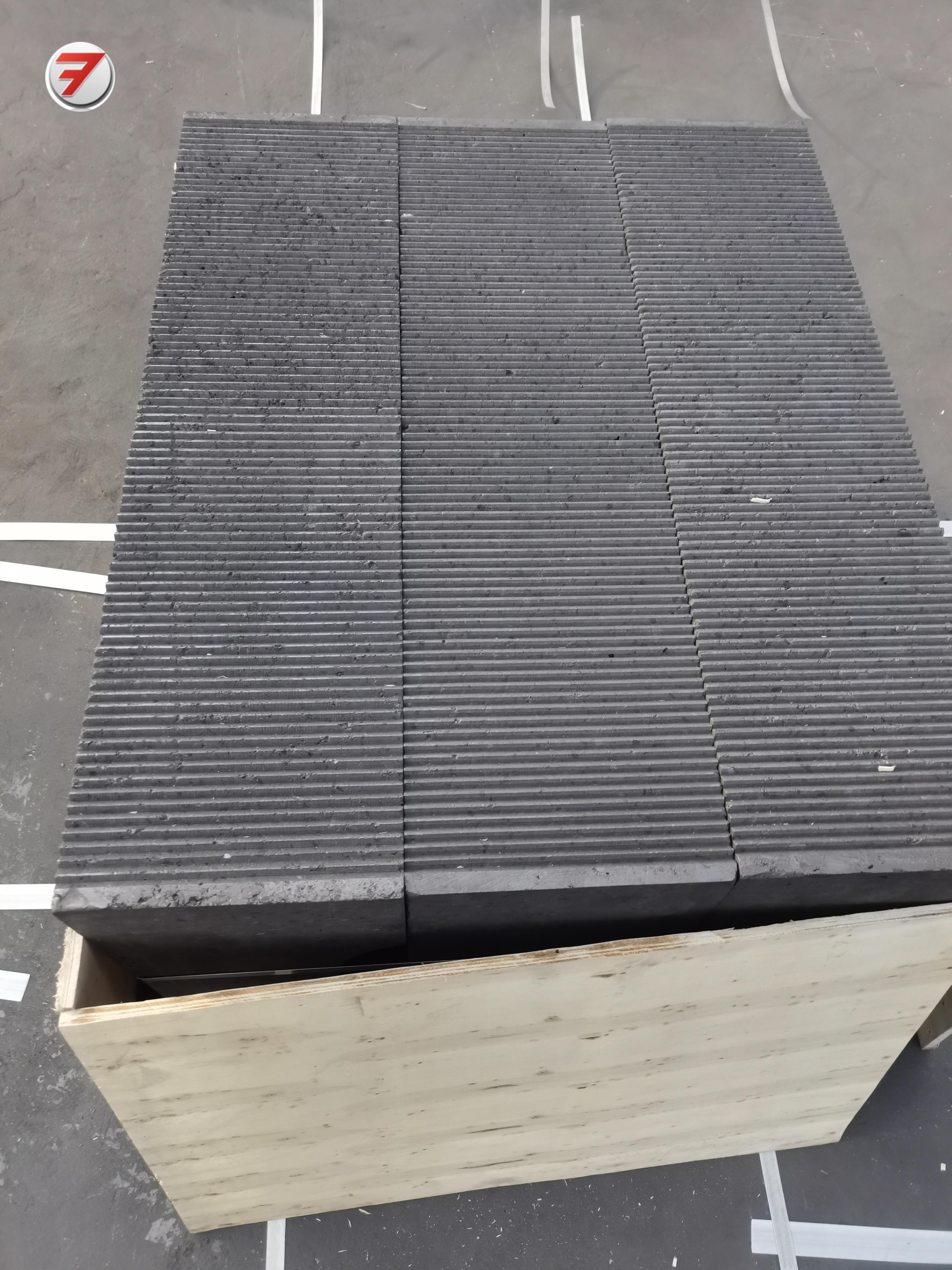
How to Choose the Right Isostatic Graphite for Your Project
Table of Contents
- Understanding Isostatic Graphite: Definition and Properties
- Key Applications of Isostatic Graphite in Various Industries
- Factors to Consider When Selecting Isostatic Graphite
- The Importance of Graphite Density and Purity
- Evaluating Graphite Thermal and Electrical Conductivity
- The Role of Particle Size Distribution in Isostatic Graphite
- Common Manufacturing Methods and Their Impact on Quality
- Expert Tips for Sourcing Isostatic Graphite
- Frequently Asked Questions (FAQs)
Understanding Isostatic Graphite: Definition and Properties
Isostatic graphite is a specialized form of graphite that is manufactured using a unique isostatic pressing process. This technique generates uniform density throughout the material, resulting in enhanced mechanical properties and performance. The production of isostatic graphite involves subjecting a mixture of graphite powder and a suitable binder to high pressure, ensuring that the material maintains its structural integrity under various conditions.
The significant properties of isostatic graphite include:
- High Density: Isostatic graphite exhibits superior density compared to traditional graphite, which contributes to its excellent thermal and electrical conductivity.
- Purity: With low impurity levels, isostatic graphite ensures high quality and performance in demanding applications.
- Mechanical Strength: This type of graphite offers enhanced strength, making it suitable for use in harsh environments.
Key Applications of Isostatic Graphite in Various Industries
Isostatic graphite is widely utilized across several industries due to its remarkable properties. Some of the key applications include:
1. Aerospace Industry
In aerospace, isostatic graphite is employed for manufacturing components that require high thermal resistance, such as rocket nozzles and heat shields. Its lightweight nature and resistance to extreme conditions make it ideal for these applications.
2. Electrical Applications
Isostatic graphite is critical in electrical applications, including electrodes for electric arc furnaces, where its high conductivity ensures efficient operation. It also serves as a crucial component in batteries and fuel cells.
3. Mechanical Engineering
Many mechanical components rely on isostatic graphite for its wear resistance and durability. It is commonly used in bearings, seals, and brushes, which are essential in various machinery.
4. Nuclear Industry
Isostatic graphite plays a pivotal role in the nuclear industry, particularly in the construction of reactor cores where its ability to withstand high temperatures and radiation is paramount.
Factors to Consider When Selecting Isostatic Graphite
Choosing the right isostatic graphite for your project requires careful consideration of several factors, including:
1. Application Requirements
Identifying the specific requirements of your application is critical. Consider factors such as temperature range, exposure to chemicals, and mechanical stress to ensure that the selected graphite meets these demands.
2. Cost-Effectiveness
While quality is essential, it is also vital to consider the cost implications. Evaluate different suppliers and their offerings to find a balance between quality and price that suits your budget.
3. Availability and Lead Times
Ensure that the isostatic graphite you choose is readily available in the quantities you need. Long lead times can significantly impact project timelines, so opt for suppliers with a reliable supply chain.
The Importance of Graphite Density and Purity
Density plays a crucial role in determining the performance of isostatic graphite. Higher density graphite generally exhibits better thermal and electrical conductivity, making it a preferred choice for high-performance applications. Additionally, purity is another critical factor; lower impurity levels lead to enhanced performance and longevity of the material.
Evaluating Graphite Thermal and Electrical Conductivity
Graphite's thermal and electrical conductivity are key properties that influence its suitability for various applications. It is essential to evaluate these properties based on your project requirements:
1. Thermal Conductivity
For applications that involve heat dissipation, such as in electronic devices, selecting isostatic graphite with high thermal conductivity is vital. This ensures effective heat management and longevity of components.
2. Electrical Conductivity
In electrical applications, the conductivity of graphite determines its efficiency. High electrical conductivity is crucial for applications involving batteries and electrodes, where performance directly impacts overall efficiency.
The Role of Particle Size Distribution in Isostatic Graphite
The particle size distribution of graphite powder prior to pressing is a significant factor that affects the final properties of isostatic graphite. A well-distributed particle size leads to better packing density and uniformity, which enhances mechanical properties and performance.
Common Manufacturing Methods and Their Impact on Quality
Understanding the various manufacturing methods used to produce isostatic graphite can help you assess quality. Common methods include:
1. Cold Isostatic Pressing (CIP)
This method involves the application of hydrostatic pressure to the graphite powder, resulting in uniform density. The consistency achieved through CIP contributes to the overall mechanical strength and performance of the final product.
2. Hot Isostatic Pressing (HIP)
HIP combines heat and pressure to enhance the properties of graphite. This method yields higher density and improved mechanical properties, making it suitable for high-performance applications.
Expert Tips for Sourcing Isostatic Graphite
When sourcing isostatic graphite, consider the following expert tips:
1. Research Suppliers
Investigate potential suppliers to ensure they have a proven track record of providing high-quality isostatic graphite. Look for customer reviews and testimonials to gauge their reliability.
2. Request Samples
Before making a large purchase, request samples to evaluate the quality and suitability of the graphite for your project. This can help you avoid costly mistakes.
3. Understand Certifications
Ensure that the supplier complies with industry standards and possesses the necessary certifications. This guarantees that the graphite meets the required quality benchmarks for your specific application.
4. Communication Is Key
Maintain open communication with suppliers. Discuss your project requirements in detail to ensure they can meet your needs effectively.
Frequently Asked Questions (FAQs)
1. What is the difference between isostatic graphite and conventional graphite?
Isostatic graphite is manufactured through a unique pressing process that results in uniform density and superior mechanical properties, while conventional graphite may not have these benefits.
2. How do I determine the right density for my application?
The required density largely depends on your application’s thermal and electrical conductivity needs. Consult with experts to identify the optimal density for your specific project.
3. Can isostatic graphite be used in extreme temperature environments?
Yes, isostatic graphite is highly resistant to extreme temperatures, making it suitable for applications in aerospace, automotive, and nuclear industries.
4. What are the typical lead times for sourcing isostatic graphite?
Lead times can vary based on the supplier and the specific product. It is crucial to discuss timelines with suppliers to ensure your project is not delayed.
5. How can I ensure the purity of isostatic graphite?
Choose reputable suppliers who provide testing results and certifications regarding the purity of their graphite products. This will ensure that the material meets your quality standards.
Conclusion
Selecting the right isostatic graphite for your project involves careful consideration of various factors, including application requirements, density, purity, and conductivity. By understanding the properties of isostatic graphite and following expert sourcing tips, you can ensure that your selection meets the demands of your specific application. With the right approach, isostatic graphite can significantly enhance your project’s performance, reliability, and overall success.
Contact Us
E-mail:
Phone/WhatsApp:
+86 15711363051
Address:
Xingchuang International C912, Xinya Street No.15, Daxing District, Beijing, China



Contact
TEL: +8615711363051
EMAIL: sales@topflymaterial.com
ADD: Xingchuang International C912, Xinya Street No.15, Daxing District, Beijing, China