
Understanding Graphite Electrodes: Essential Insights for the Metallurgical Industry
May 18,2026
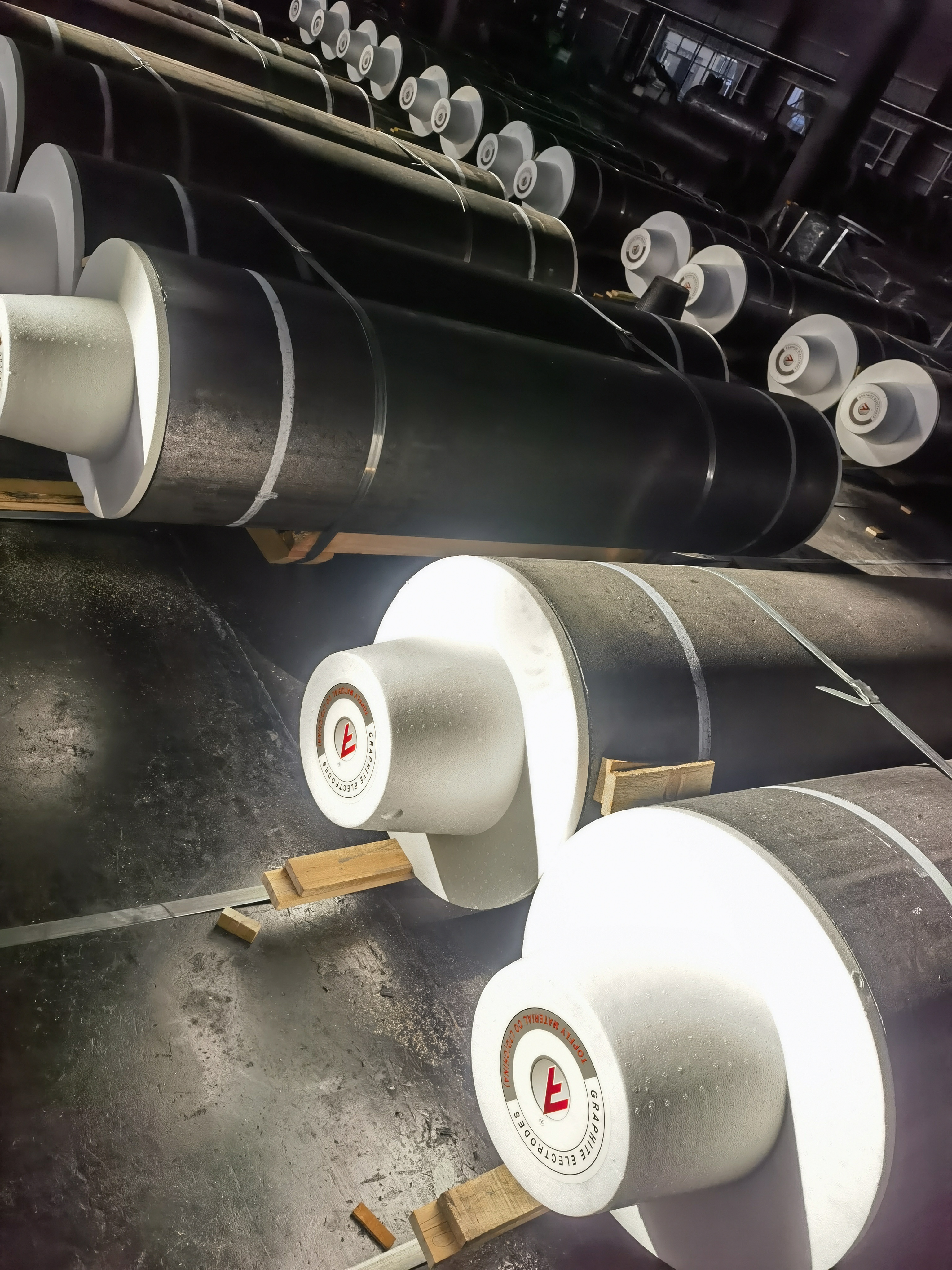
Graphite electrodes play a pivotal role in the metallurgical industry, particularly in electric arc furnaces (EAF) used for steelmaking and various other metallurgical processes. These electrodes are manufactured from high-quality petroleum or needle coke, which is processed to attain the necessary electrical conductivity and mechanical strength. Understanding the properties and applications of graphite electrodes is essential for industry professionals aiming to optimize production processes and improve overall efficiency.
One of the primary uses of graphite electrodes is in the electric arc furnace technology. EAFs operate by generating heat through an electric arc created between the electrodes and the metallic charge. Graphite electrodes are favored due to their high thermal and electrical conductivity, which enables efficient melting of scrap metal and other raw materials. Moreover, the high resistance to oxidation at elevated temperatures ensures that these electrodes can withstand the harsh operating conditions within the furnace.
The production of graphite electrodes involves several critical steps, including calcination, milling, forming, baking, and graphitization. Each step is crucial in determining the quality and performance of the final product. During the calcination process, raw petroleum coke is heated to remove volatile components, resulting in a solid carbon material. This material is then milled to a fine powder, mixed with a binder, and formed into the desired shape. The baking process further strengthens the structure by removing any residual volatiles, while graphitization involves heating the material to extremely high temperatures to convert it into graphite.
In addition to their applications in steelmaking, graphite electrodes are also used in the production of non-ferrous metals, such as aluminum and copper. They are integral in processes like electrolysis, where their excellent conductivity and stability under corrosive conditions make them a preferred choice.
The demand for graphite electrodes has witnessed fluctuations, primarily driven by factors such as steel production rates, advancements in electric arc furnace technology, and global market trends. Industry professionals should remain informed about these trends and innovations to make strategic decisions regarding sourcing and utilization.
In conclusion, graphite electrodes are fundamental components within the metallurgical and energy sectors. Understanding their production processes, properties, and applications can significantly benefit professionals in optimizing their operations and enhancing productivity. As the industry continues to evolve, staying updated on the latest developments in graphite materials and technologies will ensure sustained success in this competitive field.
Contact Us
E-mail:
Phone/WhatsApp:
+86 15711363051
Address:
Xingchuang International C912, Xinya Street No.15, Daxing District, Beijing, China



Contact
TEL: +8615711363051
EMAIL: sales@topflymaterial.com
ADD: Xingchuang International C912, Xinya Street No.15, Daxing District, Beijing, China