
High Purity Graphite vs. Regular Graphite: Understanding the Key Differences for Optimal Applications
May 17,2026
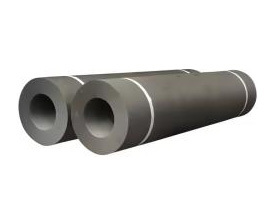
High Purity Graphite vs. Regular Graphite: What’s the Difference?
Introduction to Graphite Types
In the realm of metallurgy and non-metallic minerals, graphite is an essential material widely used across various industries, from batteries to lubricants. Within this category, **high purity graphite** and **regular graphite** stand out for their distinct characteristics, applications, and benefits. Understanding these differences is vital for manufacturers and engineers seeking to optimize their processes.
What is Regular Graphite?
Regular graphite, often referred to simply as graphite, is a naturally occurring form of carbon. It is characterized by its layered structure, which allows for excellent conductivity, lubricity, and thermal stability. Regular graphite is generally less processed, containing impurities and varying degrees of carbon content.
Characteristics of Regular Graphite
- **Carbon Content**: Regular graphite typically contains 70% to 90% carbon.
- **Conductivity**: It offers good electrical conductivity, making it suitable for various electrical applications.
- **Thermal Properties**: Regular graphite can withstand high temperatures, but impurities may affect its heat resistance.
- **Lubrication**: Its natural lubricating properties make it ideal for use in lubricants and coatings.
Understanding High Purity Graphite
High purity graphite, on the other hand, undergoes an extensive purification process to remove impurities, yielding a product with a carbon content of 99.9% or higher. This high level of purity makes it suitable for specialized applications that require superior performance and reliability.
Characteristics of High Purity Graphite
- **Carbon Content**: High purity graphite contains over 99.9% carbon.
- **Enhanced Conductivity**: It exhibits significantly improved electrical conductivity compared to regular graphite.
- **Superior Thermal Stability**: With fewer impurities, this type of graphite can withstand higher temperatures and harsh environments.
- **Chemical Resistance**: High purity graphite is more resistant to chemical reactions, making it a preferred choice for high-stakes applications.
Comparative Analysis: High Purity vs. Regular Graphite
Purity Levels and Their Implications
The most significant difference between high purity graphite and regular graphite lies in their purity levels. High purity graphite ensures minimal contamination, which is critical for applications in electronics and aerospace. Regular graphite, with its lower purity, may introduce unwanted variables in sensitive environments.
Applications and Industry Use Cases
- **High Purity Graphite Applications**:
- **Electronics**: Used in batteries, fuel cells, and electrodes due to its superior conductivity and thermal properties.
- **Aerospace**: Essential for manufacturing components that require high heat resistance and reliability.
- **Nuclear Industry**: Employed as moderator material in nuclear reactors due to its low neutron absorption.
- **Regular Graphite Applications**:
- **Lubricants**: Commonly used in automotive and industrial lubricants due to its natural lubricative properties.
- **Refractories**: Utilized in high-temperature applications such as furnace linings.
- **Pencils**: The classic use of graphite in writing instruments.
Cost Considerations: Is High Purity Graphite Worth the Investment?
One of the primary considerations when choosing between high purity graphite and regular graphite is cost. High purity graphite is more expensive due to the rigorous purification processes it undergoes. However, the benefits it offers in terms of performance, durability, and reliability can justify the higher price tag, especially in critical applications.
Performance vs. Cost Analysis
Investing in high purity graphite can lead to:
- **Reduced Downtime**: Higher reliability means fewer failures and maintenance interruptions.
- **Increased Efficiency**: Enhanced conductivity and thermal stability can improve energy efficiency in applications like batteries and electronics.
- **Longer Lifespan**: Components made from high purity graphite often last longer, saving costs in replacements and repairs.
Environmental Impact and Sustainability
As industries focus more on sustainability, the environmental impact of materials becomes a crucial consideration. High purity graphite is often sourced from more sustainable mining practices and can be recycled more effectively than regular graphite. Additionally, its higher efficiency can lead to reduced energy consumption in applications.
Recycling and Reusability of Graphite
- **High Purity Graphite**: Can be processed and re-used in applications, contributing to a circular economy.
- **Regular Graphite**: While it can be recycled, the presence of impurities can limit its reusability in high-performance applications.
Quality Control in Graphite Production
Ensuring the quality of graphite—whether high purity or regular—requires stringent quality control measures. Manufacturers must adhere to guidelines and standards that regulate the purity levels, particle size, and overall performance characteristics of graphite products.
Key Quality Assurance Processes
- **Purity Testing**: Regular testing for carbon content and impurities.
- **Performance Testing**: Evaluating thermal and electrical properties under various conditions.
- **Standardization Compliance**: Adhering to international standards such as ISO certifications.
Future Trends in Graphite Use
The demand for graphite, particularly high purity graphite, is projected to grow significantly in the coming years. This growth is driven by advancements in technology, such as electric vehicles, renewable energy solutions, and electronics, where high-performance materials are paramount.
Innovations in Graphite Applications
1. **Electric Vehicle Batteries**: High purity graphite is increasingly used in lithium-ion batteries, enhancing energy density and performance.
2. **Renewable Energy**: Graphite plays a critical role in solar panels and energy storage systems, supporting the transition to sustainable energy.
3. **Advanced Electronics**: The electronics industry is continuously seeking high purity graphite for improved conductivity and performance in microchips and semiconductors.
Frequently Asked Questions (FAQs)
1. What are the main differences between high purity graphite and regular graphite?
High purity graphite contains over 99.9% carbon, while regular graphite typically has 70% to 90% carbon. The higher purity results in better thermal and electrical conductivity.
2. In what applications is high purity graphite preferred over regular graphite?
High purity graphite is preferred in electronics, aerospace, and nuclear applications where reliability and performance are critical.
3. Is high purity graphite worth the higher cost compared to regular graphite?
Yes, the investment in high purity graphite can lead to increased efficiency, reduced downtime, and longer lifespans of components, justifying the higher cost.
4. How is high purity graphite produced?
High purity graphite is produced through a rigorous purification process that removes impurities and enhances the carbon content.
5. Can graphite be recycled?
Both high purity and regular graphite can be recycled, but high purity graphite is often easier to reprocess due to its lower contamination levels.
Conclusion
In summary, the differences between **high purity graphite** and **regular graphite** are significant and impact their respective applications across various industries. High purity graphite's superior performance characteristics make it the material of choice for demanding environments, despite its higher cost. As industries evolve and prioritize performance and sustainability, understanding these distinctions will be crucial for making informed decisions regarding material selection. By aligning with the right type of graphite for specific applications, businesses can enhance productivity, reduce environmental impact, and ultimately drive innovation in their fields.
Contact Us
E-mail:
Phone/WhatsApp:
+86 15711363051
Address:
Xingchuang International C912, Xinya Street No.15, Daxing District, Beijing, China



Contact
TEL: +8615711363051
EMAIL: sales@topflymaterial.com
ADD: Xingchuang International C912, Xinya Street No.15, Daxing District, Beijing, China