
Graphite Blocks: The Unsung Heroes of Metallurgy
May 18,2026
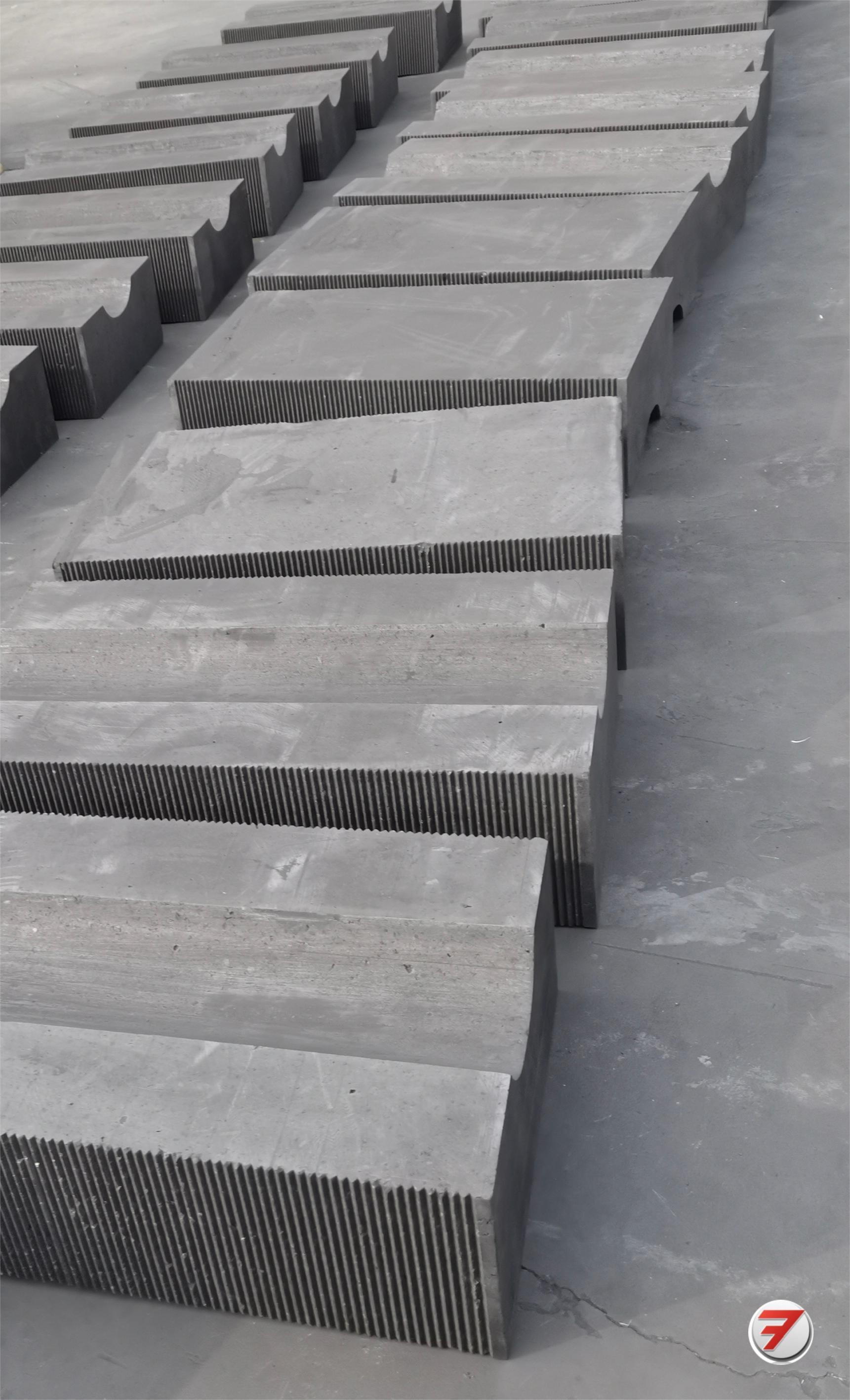
Graphite Blocks: The Unsung Heroes of Metallurgy
Table of Contents
1. Introduction to Graphite Blocks
2. The Unique Properties of Graphite
2.1 Conductivity and Thermal Resistance
2.2 Chemical Stability and Lubrication
3. Applications of Graphite Blocks in Metallurgy
3.1 Foundry Industry
3.2 Steel Manufacturing
3.3 Electrical Applications
4. Advantages of Using Graphite Blocks
4.1 Reducing Production Costs
4.2 Enhancing Product Quality
5. Environmental Benefits of Graphite Blocks
5.1 Sustainability in Manufacturing
5.2 Recyclability and Waste Reduction
6. The Future of Graphite Blocks in Metallurgy
6.1 Innovations and Developments
6.2 Market Trends and Predictions
7. Frequently Asked Questions (FAQs)
8. Conclusion
1. Introduction to Graphite Blocks
Graphite blocks play an indispensable role in metallurgy, serving as a critical material in various applications. Their unique characteristics, such as high thermal conductivity and excellent lubricating properties, make them vital for numerous industrial processes. Yet, despite their importance, graphite blocks often remain in the shadows, overshadowed by more glamorous materials. This article aims to shine a light on these unsung heroes of metallurgy, exploring their properties, applications, advantages, and environmental benefits.
2. The Unique Properties of Graphite
Graphite is a remarkable non-metallic mineral that stands out due to several unique properties that make it ideal for use in various metallurgical processes.
2.1 Conductivity and Thermal Resistance
One of the defining features of graphite is its exceptional electrical and thermal conductivity. Unlike many other materials, graphite can conduct electricity and heat efficiently. This property is especially important in applications such as electrical contacts and electrodes, where performance directly impacts operational efficiency.
2.2 Chemical Stability and Lubrication
Graphite's chemical stability is another reason for its widespread use in metallurgy. It is highly resistant to corrosion and oxidation, making it suitable for environments where other materials might fail. Additionally, graphite serves as an excellent lubricant, reducing friction and wear in various applications, thereby extending the lifespan of machinery and equipment.
3. Applications of Graphite Blocks in Metallurgy
Graphite blocks find applications across different sectors of metallurgy, proving their versatility and importance.
3.1 Foundry Industry
In the foundry industry, graphite blocks are instrumental in mold-making. They provide excellent thermal shock resistance and help in achieving precise casting dimensions. The use of graphite blocks in molds prevents the sticking of molten metals, ensuring smoother casting processes.
3.2 Steel Manufacturing
During steel production, graphite blocks are essential in the production of electrodes for electric arc furnaces. These electrodes play a critical role in melting scrap steel, making graphite blocks vital for the steel industry's efficiency and sustainability.
3.3 Electrical Applications
Graphite blocks are widely used in various electrical applications, particularly in battery technology. Their conductivity and stability make them ideal for use in anodes and cathodes in lithium-ion batteries, contributing to advancements in energy storage solutions.
4. Advantages of Using Graphite Blocks
The benefits of incorporating graphite blocks into metallurgical processes are extensive and impactful.
4.1 Reducing Production Costs
By utilizing graphite blocks, manufacturers can reduce production costs significantly. Their longevity and durability decrease the frequency of replacements, leading to lower material costs over time. Additionally, the efficiency of processes using graphite blocks can result in energy savings, further reducing overall costs.
4.2 Enhancing Product Quality
The application of graphite blocks in metallurgy enhances the quality of the final product. Their ability to maintain consistent thermal properties contributes to uniform heating and cooling, resulting in better structural integrity and mechanical properties in manufactured goods.
5. Environmental Benefits of Graphite Blocks
As the world moves towards more sustainable manufacturing processes, graphite blocks offer several environmental advantages.
5.1 Sustainability in Manufacturing
Graphite blocks are derived from natural resources and can be sourced sustainably. Their longevity reduces the need for frequent replacements, leading to less waste and a lower environmental footprint in manufacturing.
5.2 Recyclability and Waste Reduction
One of the most significant advantages of graphite blocks is their recyclability. After their lifecycle, graphite can be reprocessed and reused in various applications, mitigating waste and promoting a circular economy within the metallurgical sector.
6. The Future of Graphite Blocks in Metallurgy
The landscape of metallurgy is continuously evolving, and graphite blocks will likely play a crucial role in future developments.
6.1 Innovations and Developments
Research and development in materials science are paving the way for innovative uses of graphite blocks. Advances in nanotechnology and composite materials are expanding the potential applications of graphite in metallurgy, leading to improved performance and new product lines.
6.2 Market Trends and Predictions
The demand for graphite blocks is expected to increase, driven by growth in electric vehicle production, renewable energy storage, and advancements in metallurgical processes. Market analysts predict that the global graphite market will continue to expand, highlighting the increasing importance of graphite blocks in metallurgy.
7. Frequently Asked Questions (FAQs)
What are graphite blocks used for in metallurgy?
Graphite blocks are used for various applications in metallurgy, including mold-making in foundries, electrodes in steel manufacturing, and components in electrical applications.
How do graphite blocks enhance performance in production processes?
Due to their excellent thermal conductivity and lubrication properties, graphite blocks improve the efficiency and quality of various metallurgical processes, leading to reduced costs and enhanced product quality.
Are graphite blocks environmentally friendly?
Yes, graphite blocks are considered environmentally friendly due to their sustainable sourcing, long lifespan, and recyclability. They contribute to reduced waste and lower carbon footprints in manufacturing.
What is the future outlook for graphite blocks in metallurgy?
The future of graphite blocks in metallurgy looks promising, with expanding applications in electric vehicles, renewable energy, and advanced manufacturing techniques. Innovations in material science are likely to introduce new uses for graphite.
How can manufacturers benefit from using graphite blocks?
Manufacturers can benefit from using graphite blocks by reducing production costs, improving product quality, and achieving sustainability goals through longer-lasting materials and recyclability.
8. Conclusion
Graphite blocks are undeniably the unsung heroes of metallurgy, integral to various processes and applications. Their unique properties, including excellent conductivity and chemical stability, make them invaluable in modern manufacturing. As industries evolve and focus on sustainability, the role of graphite blocks is set to expand even further. By understanding their significance and potential, stakeholders in metallurgy can harness the full benefits of these remarkable materials, ensuring efficiency, quality, and environmental responsibility in their operations.
Contact Us
E-mail:
Phone/WhatsApp:
+86 15711363051
Address:
Xingchuang International C912, Xinya Street No.15, Daxing District, Beijing, China



Contact
TEL: +8615711363051
EMAIL: sales@topflymaterial.com
ADD: Xingchuang International C912, Xinya Street No.15, Daxing District, Beijing, China