
Understanding the Manufacturing Process of Graphite Electrode: A Comprehensive Guide
May 13,2026
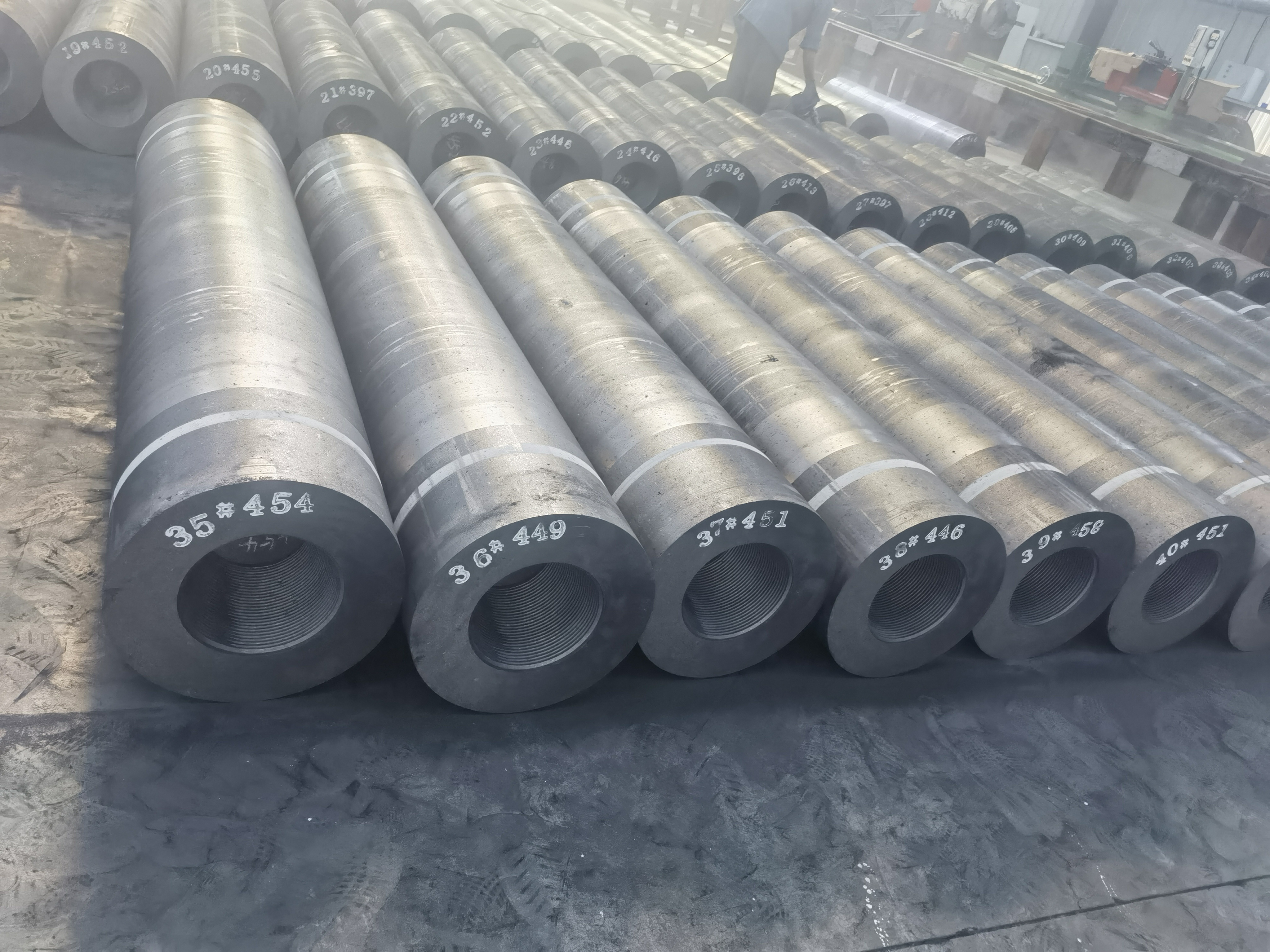
Understanding the Manufacturing Process of Graphite Electrode
Graphite electrodes play a crucial role in various industrial applications, particularly in electric arc furnaces for steel production and in the manufacturing of aluminum. Their unique properties, such as high thermal conductivity and resistance to thermal shock, make them indispensable in the metallurgical industry. This article provides a thorough understanding of the manufacturing process of graphite electrodes, delving into the materials used, production techniques, and quality assurance measures.
Table of Contents
- 1. Introduction to Graphite Electrodes
- 2. Raw Materials for Graphite Electrodes
- 3. The Graphite Electrode Production Process
- 3.1 Mixing and Milling
- 3.2 Forming the Electrodes
- 3.3 Baking and Carbonization
- 3.4 Graphitization
- 3.5 Machining and Finishing
- 4. Quality Control in Graphite Electrode Manufacturing
- 5. Applications of Graphite Electrodes
- 6. Future Trends in Graphite Electrode Manufacturing
- 7. Conclusion
- 8. FAQs
1. Introduction to Graphite Electrodes
Graphite electrodes are essential components in the production of steel and other metals. Their high electrical conductivity and thermal stability allow them to operate efficiently in high-temperature environments. Understanding the manufacturing process of graphite electrodes is vital for professionals in the metallurgy and energy sectors. This knowledge not only enhances production efficiency but also contributes to sustainable practices in mining and manufacturing.
2. Raw Materials for Graphite Electrodes
The quality of graphite electrodes largely depends on the raw materials used. The primary components include:
- **Petroleum Coke**: A carbon-rich material derived from the distillation of crude oil. It is the most significant input in graphite electrode production due to its high carbon content and low impurities.
- **Calcined Petroleum Coke**: Produced by heating petroleum coke at high temperatures (around 1200°C) to remove volatile impurities, making it suitable for high-performance electrode applications.
- **Coal Tar Pitch**: A viscous byproduct obtained from the carbonization of coal. It acts as a binder, providing necessary cohesion during the electrode formation.
- **Graphite Powder**: Used to enhance the thermal conductivity and mechanical strength of the electrodes. It is produced through the graphitization of petroleum coke.
The careful selection and processing of these materials are crucial for the quality and performance of the final product.
3. The Graphite Electrode Production Process
The manufacturing of graphite electrodes involves several stages, each contributing to the overall quality and performance of the electrodes.
3.1 Mixing and Milling
The first step in the production process is the mixing of raw materials. This involves combining petroleum coke, calcined coke, coal tar pitch, and graphite powder in specific proportions. A high-speed mixer is typically used to ensure a homogeneous blend. After mixing, the material is milled to achieve a desired particle size, which is critical for the subsequent forming process.
3.2 Forming the Electrodes
Once the raw materials are mixed, they are subjected to a forming process. This is typically done using a hydraulic press that shapes the mixture into cylindrical or square forms, depending on the required specifications of the electrodes. The pressure applied during this process is crucial as it influences the density and strength of the electrodes.
3.3 Baking and Carbonization
After forming, the electrodes undergo a baking process in an oven at temperatures around 1000°C to 1200°C. This process serves to harden the material by removing moisture and volatile compounds. Following baking, carbonization occurs at even higher temperatures (up to 3000°C) in an inert atmosphere, where the organic components are transformed into carbon, enhancing the integrity and electrical conductivity of the electrodes.
3.4 Graphitization
Graphitization is the next crucial step in the manufacturing process. In this stage, the carbonized electrodes are subjected to even higher temperatures (above 3000°C) in a graphitization furnace. This process facilitates the reorganization of carbon atoms into a more ordered crystalline structure, significantly improving electrical performance and thermal stability.
3.5 Machining and Finishing
The final stage of the manufacturing process involves machining the electrodes to precise dimensions. This includes cutting, drilling holes, and threading as required for specific applications. A thorough inspection is conducted to ensure that each electrode meets stringent quality standards. Surface treatments may also be applied to improve performance attributes like wear resistance.
4. Quality Control in Graphite Electrode Manufacturing
Quality control is paramount in the manufacturing process of graphite electrodes. Several methods are employed to ensure that the final product meets industry standards:
- **Raw Material Inspection**: All incoming raw materials undergo rigorous testing to verify their composition and quality before use.
- **In-Process Monitoring**: During production, various parameters such as temperature, pressure, and density are continuously monitored to ensure consistency and quality throughout the process.
- **Final Testing**: Finished electrodes are subjected to electrical conductivity tests, mechanical strength tests, and thermal shock resistance evaluations to ensure they meet the required specifications.
Implementing strict quality control measures not only enhances product reliability but also fosters customer trust.
5. Applications of Graphite Electrodes
Graphite electrodes have a wide range of applications, primarily in:
- **Electric Arc Furnaces (EAF)**: Used for melting steel and other metals, graphite electrodes are essential for the EAF process, providing the necessary electrical connection to generate high heat.
- **Aluminum Production**: Graphite electrodes are also employed in the production of aluminum, where they facilitate the electrolysis process in smelting.
- **Foundries**: In foundries, graphite electrodes are used for melting and refining metals, showcasing their versatility across various industrial applications.
- **Manufacturing of Silicon and Ferroalloys**: These electrodes are vital in producing silicon metal and ferroalloys, underscoring their importance in the metallurgical sector.
6. Future Trends in Graphite Electrode Manufacturing
As industries evolve, so too does the manufacturing of graphite electrodes. Some anticipated trends include:
- **Sustainable Practices**: With the growing emphasis on sustainability, manufacturers are exploring eco-friendly alternatives to traditional raw materials and processes.
- **Technological Advancements**: Innovations in production technologies, such as automation and artificial intelligence, are expected to enhance efficiency and quality in graphite electrode manufacturing.
- **Increased Demand**: As industries like electric vehicles and renewable energies expand, the demand for high-quality graphite electrodes is expected to rise, prompting manufacturers to innovate continuously.
- **Research and Development**: Ongoing research is likely to yield new types of electrodes that offer improved performance characteristics, expanding their range of applications.
7. Conclusion
Understanding the manufacturing process of graphite electrodes is essential for professionals in various industries, particularly those involved in metallurgy and energy. By comprehending the intricate steps—from raw material selection to the final machining process—industry players can enhance production efficacy and product quality. As demand for graphite electrodes continues to rise, staying abreast of emerging trends and technologies will be crucial for maintaining competitiveness in the market.
8. FAQs
What are graphite electrodes made of?
Graphite electrodes are primarily made from petroleum coke, calcined petroleum coke, coal tar pitch, and graphite powder.
How are graphite electrodes produced?
The production involves mixing raw materials, forming electrodes, baking and carbonizing, graphitizing, and finally machining the electrodes to specifications.
What are the main applications of graphite electrodes?
The primary applications include use in electric arc furnaces for steel production, aluminum smelting, foundries, and manufacturing of silicon and ferroalloys.
What quality control measures are used in graphite electrode manufacturing?
Quality control measures include raw material inspection, in-process monitoring, and final testing for electrical conductivity and mechanical strength.
What trends are emerging in graphite electrode manufacturing?
Emerging trends include sustainable practices, technological advancements, increased demand in various sectors, and continuous research and development for innovative electrode types.
Contact Us
E-mail:
Phone/WhatsApp:
+86 15711363051
Address:
Xingchuang International C912, Xinya Street No.15, Daxing District, Beijing, China



Contact
TEL: +8615711363051
EMAIL: sales@topflymaterial.com
ADD: Xingchuang International C912, Xinya Street No.15, Daxing District, Beijing, China