
Graphite Boats: Essential Components for Effective Metal Casting
May 13,2026
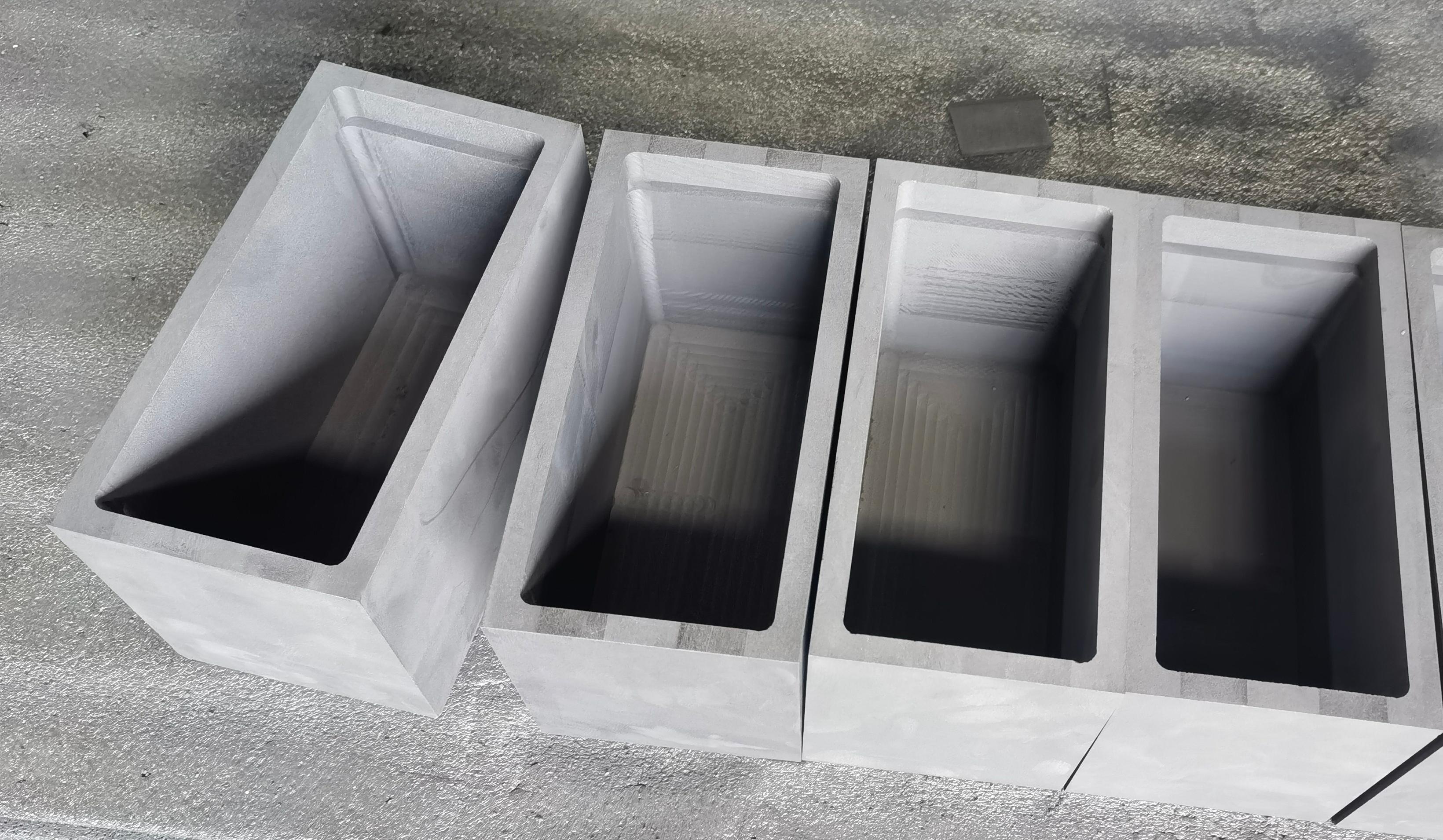
Graphite Boats: Essential Components for Effective Metal Casting
Table of Contents
- 1. Introduction to Graphite Boats in Metal Casting
- 2. Understanding Graphite Boats
- 3. Benefits of Using Graphite Boats for Metal Casting
- 4. Applications of Graphite Boats in Various Industries
- 5. Types of Graphite Boats: Choosing the Right One
- 6. How to Select the Right Graphite Boat for Your Needs
- 7. Best Practices for Using Graphite Boats in Metal Casting
- 8. Frequently Asked Questions
- 9. Conclusion
1. Introduction to Graphite Boats in Metal Casting
In the realm of metal casting, the efficiency and quality of the casting process significantly hinge on the tools and materials utilized. Among these, **graphite boats** stand out as essential components that facilitate the melting and pouring of metals. As we delve into the intricacies of graphite boats, we will uncover their multifaceted role in enhancing casting operations, optimizing production, and ensuring superior outcomes in various metalworking applications.
2. Understanding Graphite Boats
Graphite boats are specialized containers made from high-purity graphite, designed to hold molten metal during the casting process. These boats are engineered to withstand extreme temperatures, making them ideal for the melting of metals such as aluminum, copper, and brass. The unique properties of graphite, including its excellent thermal conductivity and resistance to thermal shock, make these boats a preferred choice in the casting industry.
The construction of graphite boats involves high-density graphite material, which not only provides structural integrity but also minimizes contamination of the molten metal. This is crucial, as impurities can severely compromise the quality of the final product.
3. Benefits of Using Graphite Boats for Metal Casting
The advantages of incorporating graphite boats into metal casting processes are numerous and noteworthy:
3.1 Enhanced Thermal Conductivity
Graphite boats facilitate rapid heat transfer, ensuring that the molten metal reaches the desired temperature quickly. This efficiency reduces overall production time and enhances productivity.
3.2 Durability and Longevity
Manufactured to withstand high temperatures and corrosive environments, graphite boats exhibit remarkable durability. This longevity translates to fewer replacements and reduced operational costs in the long run.
3.3 Reduced Contamination Risk
The inert nature of graphite minimizes the risk of contamination, ensuring that the quality of the molten metal remains uncompromised. This is particularly important in industries where precision and purity are paramount.
3.4 Improved Casting Precision
The design of graphite boats allows for meticulous control over metal pouring. This precision is critical in achieving uniformity and reducing defects in the final casting.
4. Applications of Graphite Boats in Various Industries
Graphite boats find extensive use across multiple industries, each benefiting from their unique properties:
4.1 Aerospace Industry
In aerospace manufacturing, the need for lightweight yet durable components is paramount. Graphite boats are used to cast high-strength alloys, ensuring that parts meet strict performance standards.
4.2 Automotive Industry
The automotive sector employs graphite boats to manufacture engine components and other critical parts, where precision and strength are essential for safety and performance.
4.3 Electronics
Graphite boats are integral to the production of electronic components, where high-purity metals are necessary. The ability to control the casting environment helps in achieving the desired electrical properties.
4.4 Jewelry Making
In the jewelry industry, fine metals are often cast using graphite boats, ensuring that intricate designs can be realized without compromising quality.
5. Types of Graphite Boats: Choosing the Right One
Selecting the appropriate graphite boat is crucial for optimizing metal casting processes. There are several types of graphite boats, each designed for specific applications:
5.1 Standard Graphite Boats
These are versatile and suitable for a range of metals. They are often used in general casting applications.
5.2 High-Purity Graphite Boats
Designed for applications requiring minimal contamination, these boats are ideal for high-value metals and sensitive casting processes.
5.3 Custom Graphite Boats
For unique applications, custom graphite boats can be manufactured to meet specific dimensions and performance requirements, ensuring optimal compatibility with the casting process.
6. How to Select the Right Graphite Boat for Your Needs
Choosing the right graphite boat entails considering several factors:
6.1 Assessing Material Compatibility
Evaluate the type of metal you will be casting and ensure that the graphite boat can withstand the required temperatures without degrading.
6.2 Determining Size and Shape
The dimensions of the graphite boat should correspond to your casting setup. It is essential to ensure that the boat can accommodate the volume of metal being poured.
6.3 Understanding Application Requirements
Different applications may necessitate specific features such as high-purity materials or custom shapes. Understanding your casting requirements will guide you in selecting the most suitable boat.
6.4 Reviewing Manufacturer Specifications
Always review the technical specifications provided by manufacturers to ensure that the graphite boat meets industry standards and performance expectations.
7. Best Practices for Using Graphite Boats in Metal Casting
Implementing best practices can enhance the performance and lifespan of graphite boats:
7.1 Preheating the Graphite Boat
Preheating the graphite boat can help in reducing thermal shock and prolonging its lifespan. Gradually heating the boat before pouring molten metal can improve overall performance.
7.2 Avoiding Direct Flame
To prevent damage, avoid exposing graphite boats to direct flames. Utilize induction heating or electric furnaces for optimal results.
7.4 Regular Inspection and Maintenance
Routine inspections of graphite boats for signs of wear or damage are crucial. Regular maintenance can help identify potential issues before they become significant problems.
8. Frequently Asked Questions
8.1 What are graphite boats made of?
Graphite boats are primarily made from high-purity graphite, designed to withstand extreme temperatures and minimize contamination.
8.2 How long do graphite boats last?
The lifespan of graphite boats depends on usage conditions and maintenance practices; however, they are generally known for their durability and longevity.
8.3 Can graphite boats be reused?
Yes, graphite boats can often be reused, provided they are adequately maintained and inspected for damage after each use.
8.4 What is the maximum temperature graphite boats can withstand?
Graphite boats can typically withstand temperatures up to 3000°F (1649°C), making them suitable for a wide range of metal casting applications.
8.5 How do I prevent contamination when using graphite boats?
To prevent contamination, ensure that the graphite boats are clean and free from debris before use, and consider using high-purity graphite for sensitive applications.
9. Conclusion
Graphite boats are undeniably essential components in the metal casting industry, providing unparalleled advantages in terms of thermal performance, durability, and precision. By understanding the various types and applications of graphite boats, as well as adhering to best practices for their use, manufacturers can significantly enhance their casting processes. Investing time and resources into selecting the right graphite boat will yield dividends in quality, efficiency, and production success. As the metal casting industry continues to evolve, the importance of these specialized tools will only grow, making them integral to future innovations and advancements.
Contact Us
E-mail:
Phone/WhatsApp:
+86 15711363051
Address:
Xingchuang International C912, Xinya Street No.15, Daxing District, Beijing, China



Contact
TEL: +8615711363051
EMAIL: sales@topflymaterial.com
ADD: Xingchuang International C912, Xinya Street No.15, Daxing District, Beijing, China