
Isostatic Graphite in the Automotive Industry: Emerging Trends and Innovations Transforming Performance
May 13,2026
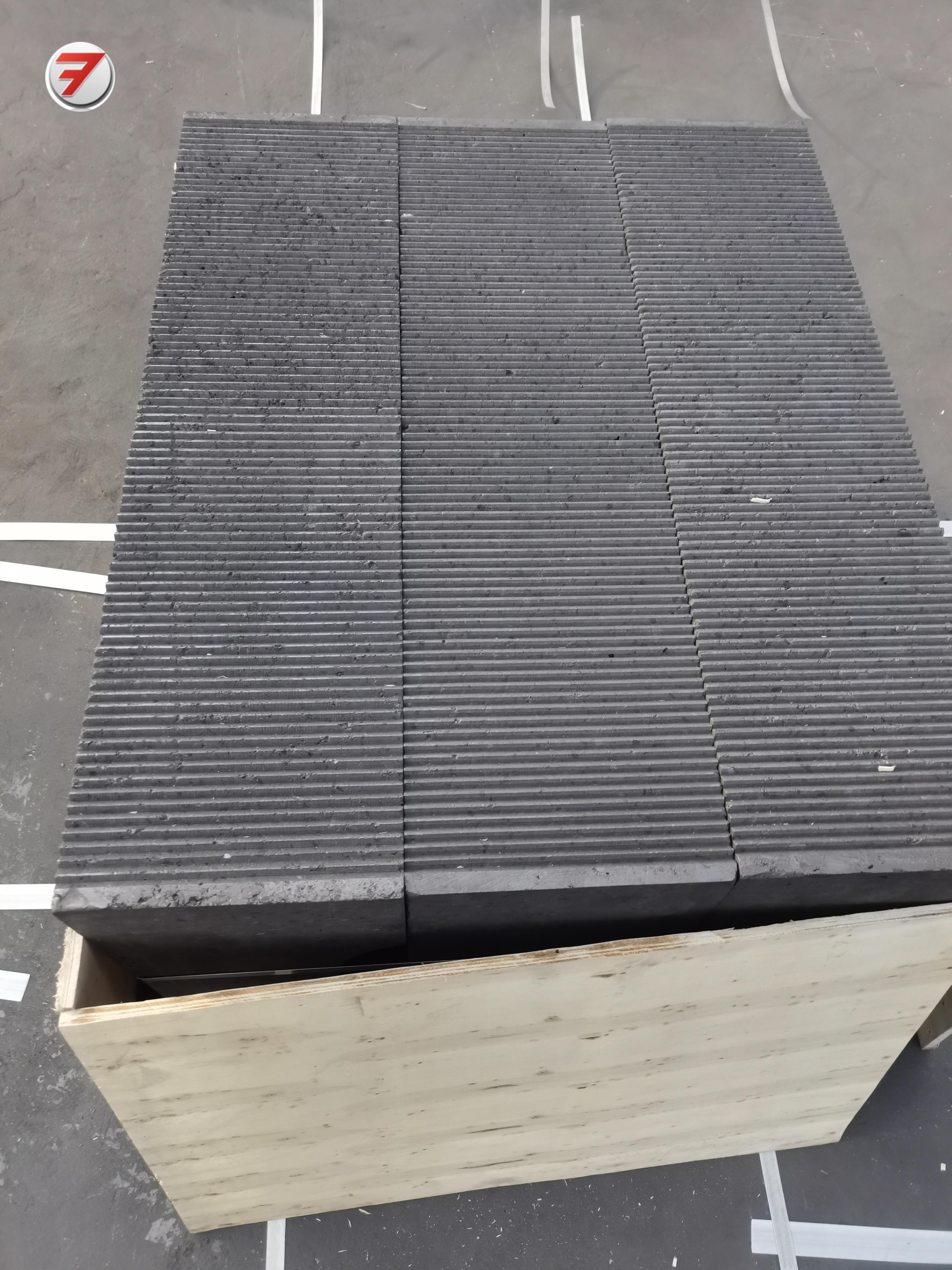
Isostatic Graphite in the Automotive Industry: Trends and Innovations
Table of Contents
- Introduction to Isostatic Graphite
- What is Isostatic Graphite?
- Key Properties of Isostatic Graphite
- Applications of Isostatic Graphite in the Automotive Industry
- Current Trends in the Use of Isostatic Graphite
- Innovations Driven by Isostatic Graphite
- Sustainability and Environmental Impact
- The Future of Isostatic Graphite in the Automotive Sector
- Frequently Asked Questions
- Conclusion
Introduction to Isostatic Graphite
The automotive industry is undergoing a significant transformation, driven by advancements in materials and manufacturing processes. Among these innovations, *isostatic graphite* stands out as a game-changer, particularly in enhancing performance and sustainability. This article delves into the intricacies of isostatic graphite, its properties, applications, and the trends shaping its use within the automotive sector.
What is Isostatic Graphite?
Isostatic graphite is a high-density carbon material produced through a unique manufacturing process that involves applying uniform pressure in all directions. This method results in a material with exceptional mechanical strength, thermal conductivity, and resistance to chemical attack. Isostatic graphite is distinguished by its isotropic properties, meaning it exhibits similar characteristics regardless of the direction in which it is measured.
Manufacturing Process of Isostatic Graphite
The production of isostatic graphite involves several key steps:
1. **Raw Material Selection**: High-quality carbon sources are chosen to ensure optimal results.
2. **Mixing and Molding**: The carbon powder is mixed with a bonding agent and molded into specific shapes.
3. **Isostatic Pressing**: The molded material is subjected to high-pressure gas, which compacts it uniformly.
4. **Baking and Graphitization**: The compacted material is heated at high temperatures, converting it into graphite.
5. **Machining**: Finally, the graphite is machined to precise dimensions for its intended application.
Key Properties of Isostatic Graphite
Understanding the unique properties of isostatic graphite helps to clarify its advantages in the automotive industry. Here are some notable characteristics:
1. High Thermal Conductivity
Isostatic graphite exhibits excellent thermal conductivity, making it ideal for applications that require efficient heat dissipation, such as in electric vehicle batteries and brake systems.
2. Superior Mechanical Strength
The uniformity in density and structure lends isostatic graphite exceptional mechanical strength, allowing it to withstand high levels of stress and wear.
3. Corrosion and Chemical Resistance
This material is highly resistant to corrosion and chemical degradation, which is crucial for components exposed to harsh environments and fluids.
4. Lightweight Nature
Isostatic graphite is relatively lightweight compared to metals, contributing to the overall weight reduction in vehicles, which is vital for improving fuel efficiency.
Applications of Isostatic Graphite in the Automotive Industry
The versatility of isostatic graphite leads to its adoption in various automotive applications. Key uses include:
1. Electric Vehicle Batteries
With the rise of electric vehicles, isostatic graphite is increasingly used in battery anodes and thermal management systems due to its high conductivity and heat resistance.
2. Brake Components
The material's ability to withstand high temperatures and friction makes it an excellent choice for brake pads and linings.
3. Gaskets and Seals
Isostatic graphite gaskets and seals provide reliable performance in engine components, preventing leaks and ensuring durability.
4. Heat Exchangers
In applications where heat exchange is critical, isostatic graphite’s thermal properties enhance efficiency and reliability.
Current Trends in the Use of Isostatic Graphite
As the automotive industry evolves, several trends are emerging around the use of isostatic graphite:
1. Increased Adoption in Electric Vehicles
The shift towards electric vehicles has led to a surge in demand for isostatic graphite, particularly in battery technology, where performance and efficiency are paramount.
2. Focus on Lightweight Materials
Automakers are increasingly looking for lightweight materials to improve fuel efficiency and performance. Isostatic graphite fits this demand perfectly.
3. Integration with Advanced Manufacturing Techniques
Innovations such as 3D printing and advanced machining are leading to new ways of utilizing isostatic graphite, allowing for more intricate designs and applications.
Innovations Driven by Isostatic Graphite
The unique properties of isostatic graphite are inspiring innovations across the automotive landscape:
1. Enhanced Battery Performance
Research is focused on improving the conductivity and lifespan of electric vehicle batteries through the use of isostatic graphite, leading to faster charging and increased range.
2. Development of Advanced Braking Systems
Innovations in braking technology, leveraging isostatic graphite, are contributing to lighter and more efficient braking systems, enhancing vehicle safety and performance.
3. Customization and Design Flexibility
The machinability of isostatic graphite allows for tailored solutions in automotive manufacturing, enabling the production of complex geometries that meet specific performance criteria.
Sustainability and Environmental Impact
The automotive industry is under increasing pressure to become more sustainable. Isostatic graphite contributes to this goal in several ways:
1. Reduced Weight for Lower Emissions
By replacing heavier materials with isostatic graphite, manufacturers can produce lighter vehicles that consume less fuel and emit fewer greenhouse gases.
2. Enhanced Recycling Potential
Carbon-based materials like isostatic graphite can be reprocessed, minimizing waste and promoting a circular economy in automotive manufacturing.
3. Energy Efficiency in Production
The energy-efficient production methods associated with isostatic graphite enhance the overall sustainability of automotive components.
The Future of Isostatic Graphite in the Automotive Sector
The future of isostatic graphite in the automotive industry looks promising as research and development continue to uncover new applications and benefits. With advancements in technology and growing environmental concerns, isostatic graphite is poised to play a critical role in shaping the automotive landscape.
1. Continued Integration in Hybrid and Electric Vehicles
As hybrid and electric vehicles gain traction, we anticipate further integration of isostatic graphite in battery systems, enhancing performance and efficiency.
2. Innovations in Manufacturing Techniques
Emerging manufacturing technologies, including automated production processes, will likely increase the efficiency and precision of isostatic graphite components.
3. Research and Development Initiatives
Ongoing research will expand our understanding of isostatic graphite, leading to new formulations and applications that meet the evolving needs of the automotive sector.
Frequently Asked Questions
1. What are the primary advantages of using isostatic graphite in automotive applications?
Isostatic graphite offers high thermal conductivity, superior mechanical strength, lightweight properties, and excellent corrosion resistance, making it ideal for various automotive applications.
2. How does isostatic graphite enhance electric vehicle performance?
Isostatic graphite improves the efficiency and longevity of electric vehicle batteries, enabling faster charging and increased driving range.
3. What are some common applications of isostatic graphite in cars?
Common applications include battery anodes, brake components, gaskets, seals, and heat exchangers.
4. Is isostatic graphite environmentally friendly?
Yes, isostatic graphite contributes to sustainability through weight reduction, recycling potential, and energy-efficient production methods.
5. What trends are shaping the use of isostatic graphite in the automotive industry?
Key trends include increased adoption in electric vehicles, a focus on lightweight materials, and the integration of advanced manufacturing techniques.
Conclusion
Isostatic graphite is undeniably transforming the automotive industry with its unique properties and versatile applications. As trends and innovations continue to unfold, it is poised to enhance performance, contribute to sustainability, and redefine the future of automotive manufacturing. Embracing isostatic graphite not only positions manufacturers at the forefront of technological advancements but also aligns them with the growing demand for environmentally responsible practices. As we move forward, we can expect isostatic graphite to play an increasingly vital role in shaping the next generation of vehicles, driving both performance and sustainability to new heights.
Contact Us
E-mail:
Phone/WhatsApp:
+86 15711363051
Address:
Xingchuang International C912, Xinya Street No.15, Daxing District, Beijing, China



Contact
TEL: +8615711363051
EMAIL: sales@topflymaterial.com
ADD: Xingchuang International C912, Xinya Street No.15, Daxing District, Beijing, China