
Understanding the Manufacturing Process of Molded Graphite: A Comprehensive Guide
Apr 23,2026
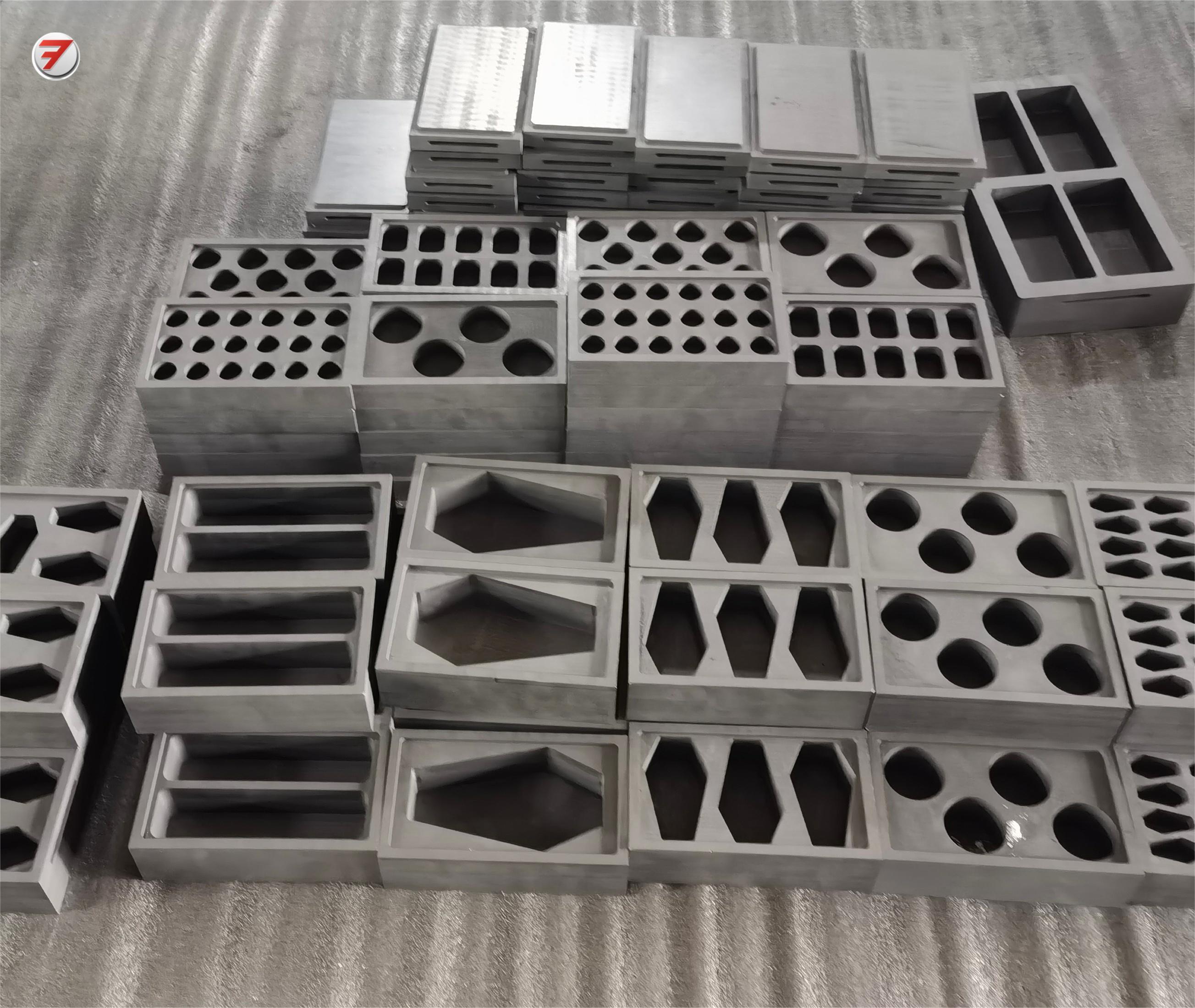
Understanding the Manufacturing Process of Molded Graphite: A Comprehensive Guide
Table of Contents
- 1. Introduction to Molded Graphite Manufacturing
- 2. Importance of Molded Graphite in Various Industries
- 3. Raw Materials Used in Molded Graphite Production
- 4. The Step-by-Step Manufacturing Process of Molded Graphite
- 4.1 Material Preparation Stage
- 4.2 Molding Techniques: An Overview
- 4.3 The Curing Process Explained
- 4.4 Finishing Touches: Quality Control and Inspection
- 5. Applications of Molded Graphite Products
- 6. Future Trends in Molded Graphite Manufacturing
- 7. Common Questions About Molded Graphite Manufacturing
- 8. Conclusion
1. Introduction to Molded Graphite Manufacturing
Molded graphite is a specialized material widely recognized for its unique properties, such as excellent thermal and electrical conductivity, low expansion coefficients, and resistance to thermal shock. The manufacturing process of molded graphite involves several intricate stages, each crucial to achieving the final product's desired characteristics. As industries increasingly rely on advanced materials, understanding the nuances of molded graphite production becomes essential for professionals in the field.
2. Importance of Molded Graphite in Various Industries
Molded graphite plays a significant role across various sectors, including electronics, aerospace, automotive, and energy. In electronics, it is essential for producing components like electrodes and heat sinks, which require efficient heat dissipation. In the aerospace and automotive industries, its lightweight and durable nature contributes to the overall efficiency of vehicles and aircraft. Furthermore, molded graphite is vital in the energy sector, particularly in nuclear reactors and batteries, where its unique properties enhance performance and safety.
3. Raw Materials Used in Molded Graphite Production
The quality of molded graphite is highly dependent on the raw materials used during manufacturing. The primary raw materials include:
- **Natural Graphite**: Mined from the earth, natural graphite serves as the primary ingredient due to its excellent conductive properties.
- **Synthetic Graphite**: Produced through the carbonization of petroleum-derived products, synthetic graphite offers uniformity and high purity.
- **Binders and Additives**: Various binders, such as phenolic and pitch-based resins, are incorporated to enhance mechanical strength and thermal stability.
The meticulous selection and preparation of these materials are crucial in creating high-performance molded graphite products.
4. The Step-by-Step Manufacturing Process of Molded Graphite
The manufacturing process of molded graphite consists of several essential stages, each contributing to the overall quality and performance of the final product.
4.1 Material Preparation Stage
The first step in the manufacturing process involves the careful preparation of raw materials. Natural and synthetic graphite is crushed and classified based on particle size to ensure uniformity. The binders are mixed with graphite in specific proportions to create a homogenous mixture. This preparation stage is critical, as the quality of the mixture directly affects the properties of the molded graphite.
4.2 Molding Techniques: An Overview
Once the mixture is prepared, it undergoes various molding techniques. The most common methods include:
- **Compression Molding**: This technique involves placing the graphite mixture into a mold and applying high pressure to form the desired shape. Compression molding is ideal for producing complex geometries and ensures even distribution of material.
- **Injection Molding**: In this method, the mixture is heated and injected into a mold under pressure. Injection molding allows for rapid production and is suitable for creating intricate designs.
- **Extrusion Molding**: The graphite mixture is forced through a die to create long shapes, such as tubes and rods. This technique is efficient for producing high volumes of uniform products.
Each of these techniques has its advantages and is chosen based on the specific requirements of the final product.
4.3 The Curing Process Explained
After molding, the graphite products undergo a curing process, essential for enhancing the mechanical and thermal properties. The curing phase typically involves heating the molded graphite in a controlled environment, allowing the binders to harden and bond the graphite particles together. This process can vary in duration and temperature depending on the type of binder used. Proper curing is crucial, as it significantly influences the final product's strength and durability.
4.4 Finishing Touches: Quality Control and Inspection
Once the curing process is complete, finishing touches are added to ensure the molded graphite meets the required specifications. This stage includes cutting, machining, and surface treatment to achieve the desired dimensions and surface quality. Rigorous quality control measures are implemented, including visual inspection and testing for electrical conductivity and thermal properties, ensuring only the highest quality products reach the market.
5. Applications of Molded Graphite Products
Molded graphite products find applications in various industries due to their unique properties. Some notable applications include:
- **Electrodes in Electric Arc Furnaces**: Molded graphite electrodes are widely used in steel and aluminum production due to their superior conductivity and resistance to thermal shock.
- **Heat Sinks and Thermal Management**: In electronics, molded graphite is employed in heat sinks to dissipate excess heat, ensuring optimal performance and longevity of electronic devices.
- **Nuclear Reactors**: Molded graphite serves as a moderator in nuclear reactors, where its ability to absorb neutrons is critical for maintaining controlled nuclear reactions.
- **Batteries**: High-performance batteries utilize molded graphite in electrodes to enhance electrical conductivity and energy storage capabilities.
Each of these applications underscores the versatility and importance of molded graphite in modern technology and industries.
6. Future Trends in Molded Graphite Manufacturing
As industries evolve, the demand for advanced materials continues to grow, leading to exciting trends in molded graphite manufacturing. Some key trends include:
- **Sustainability**: The industry is increasingly focusing on sustainable practices, including the recycling of graphite and the use of eco-friendly binders.
- **Nanotechnology**: Incorporating nanomaterials into molded graphite can enhance properties like strength and conductivity, paving the way for innovative applications.
- **3D Printing**: Advancements in additive manufacturing are enabling the production of complex molded graphite components that were previously difficult to achieve with traditional techniques.
These trends not only improve the efficiency of molded graphite production but also expand its potential applications in emerging technologies.
7. Common Questions About Molded Graphite Manufacturing
What is molded graphite?
Molded graphite is a high-performance material made from a mixture of natural and synthetic graphite, along with binders. It is known for its excellent electrical and thermal conductivity, making it suitable for various applications.
What industries use molded graphite?
Molded graphite is utilized in numerous industries, including electronics, aerospace, automotive, and energy, due to its unique properties.
What are the key steps in the manufacturing process of molded graphite?
The manufacturing process involves material preparation, molding techniques, curing, and finishing touches, each contributing to the final product's quality.
How does the curing process affect molded graphite properties?
The curing process hardens the binders and bonds graphite particles, significantly influencing the mechanical strength and thermal stability of the final product.
What future trends are shaping molded graphite manufacturing?
Key trends include sustainability initiatives, the incorporation of nanotechnology, and advancements in 3D printing, all aimed at improving efficiency and expanding applications.
8. Conclusion
Understanding the manufacturing process of molded graphite is crucial for professionals seeking to leverage its unique properties in various applications. From the careful selection of raw materials to the meticulous stages of molding, curing, and quality control, each step plays a vital role in producing high-quality molded graphite products. As industries continue to evolve and innovate, molded graphite will undoubtedly remain a critical material, offering solutions that meet modern technological demands. By staying informed about the manufacturing processes and trends, professionals can better harness the potential of molded graphite in their respective fields.
Contact Us
E-mail:
Phone/WhatsApp:
+86 15711363051
Address:
Xingchuang International C912, Xinya Street No.15, Daxing District, Beijing, China



Contact
TEL: +8615711363051
EMAIL: sales@topflymaterial.com
ADD: Xingchuang International C912, Xinya Street No.15, Daxing District, Beijing, China