
Understanding Graphite Blocks: Key Insights for Professionals in Metallurgy and Energy
Apr 24,2026
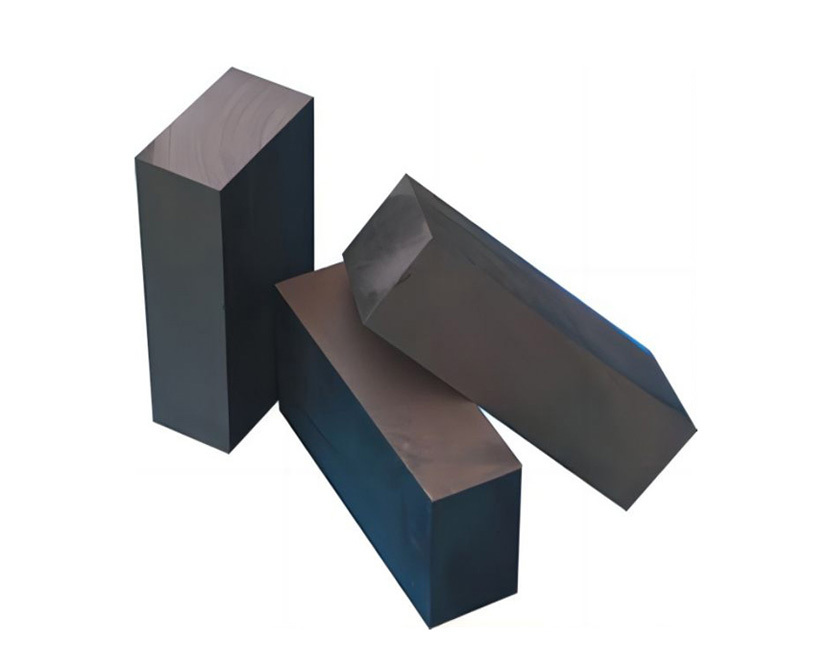
Graphite blocks are a vital component in various industrial applications, particularly in the metallurgy and energy sectors. As a naturally occurring form of carbon, graphite is renowned for its unique properties, including high thermal conductivity, excellent lubricity, and remarkable resistance to high temperatures and chemical corrosion. These attributes make graphite blocks an invaluable material for a range of applications, from electrodes in electric arc furnaces to components in batteries and other energy storage systems.
One of the primary uses of graphite blocks is in the production of electrodes for electric arc furnaces, which are widely employed in steelmaking. The conductivity and thermal properties of graphite enhance the efficiency of the steel production process, allowing for better energy management and improved output. Additionally, graphite blocks are instrumental in the manufacturing of crucibles and molds, where their ability to withstand extreme temperatures is essential.
In the realm of energy, graphite blocks play a crucial role in the development of advanced batteries, particularly lithium-ion batteries. The anode materials in these batteries often utilize synthetic or natural graphite due to its excellent electrochemical performance. As the demand for electric vehicles and renewable energy storage solutions grows, the significance of graphite blocks in this sector becomes increasingly pronounced.
Another important aspect of graphite blocks is their versatility in various industries, including lubricants and thermal management solutions. Their natural lubricating properties make them ideal for applications in machinery and automotive systems, where reducing friction and wear is critical for enhancing performance and longevity.
While the benefits of graphite blocks are clear, it is also essential to consider the environmental impact of graphite mining and production. Sustainable practices are increasingly being adopted in the industry to minimize ecological footprints and promote responsible sourcing. Professionals in metallurgy and energy must stay informed about these practices to ensure compliance and support sustainable development.
In conclusion, graphite blocks are a fundamental material in the metallurgy and energy sectors, offering unparalleled properties and a wide array of applications. As industries continue to evolve, understanding the significance and applications of graphite blocks will be pivotal for professionals aiming to leverage this remarkable material in their operations. By staying abreast of advancements and sustainability practices, industry stakeholders can maximize the benefits of graphite while minimizing environmental impacts.
One of the primary uses of graphite blocks is in the production of electrodes for electric arc furnaces, which are widely employed in steelmaking. The conductivity and thermal properties of graphite enhance the efficiency of the steel production process, allowing for better energy management and improved output. Additionally, graphite blocks are instrumental in the manufacturing of crucibles and molds, where their ability to withstand extreme temperatures is essential.
In the realm of energy, graphite blocks play a crucial role in the development of advanced batteries, particularly lithium-ion batteries. The anode materials in these batteries often utilize synthetic or natural graphite due to its excellent electrochemical performance. As the demand for electric vehicles and renewable energy storage solutions grows, the significance of graphite blocks in this sector becomes increasingly pronounced.
Another important aspect of graphite blocks is their versatility in various industries, including lubricants and thermal management solutions. Their natural lubricating properties make them ideal for applications in machinery and automotive systems, where reducing friction and wear is critical for enhancing performance and longevity.
While the benefits of graphite blocks are clear, it is also essential to consider the environmental impact of graphite mining and production. Sustainable practices are increasingly being adopted in the industry to minimize ecological footprints and promote responsible sourcing. Professionals in metallurgy and energy must stay informed about these practices to ensure compliance and support sustainable development.
In conclusion, graphite blocks are a fundamental material in the metallurgy and energy sectors, offering unparalleled properties and a wide array of applications. As industries continue to evolve, understanding the significance and applications of graphite blocks will be pivotal for professionals aiming to leverage this remarkable material in their operations. By staying abreast of advancements and sustainability practices, industry stakeholders can maximize the benefits of graphite while minimizing environmental impacts.
Contact Us
E-mail:
Phone/WhatsApp:
+86 15711363051
Address:
Xingchuang International C912, Xinya Street No.15, Daxing District, Beijing, China



Contact
TEL: +8615711363051
EMAIL: sales@topflymaterial.com
ADD: Xingchuang International C912, Xinya Street No.15, Daxing District, Beijing, China