
The Versatile World of Isostatic Graphite: A Key Material in Metallurgy and Energy
Apr 22,2026
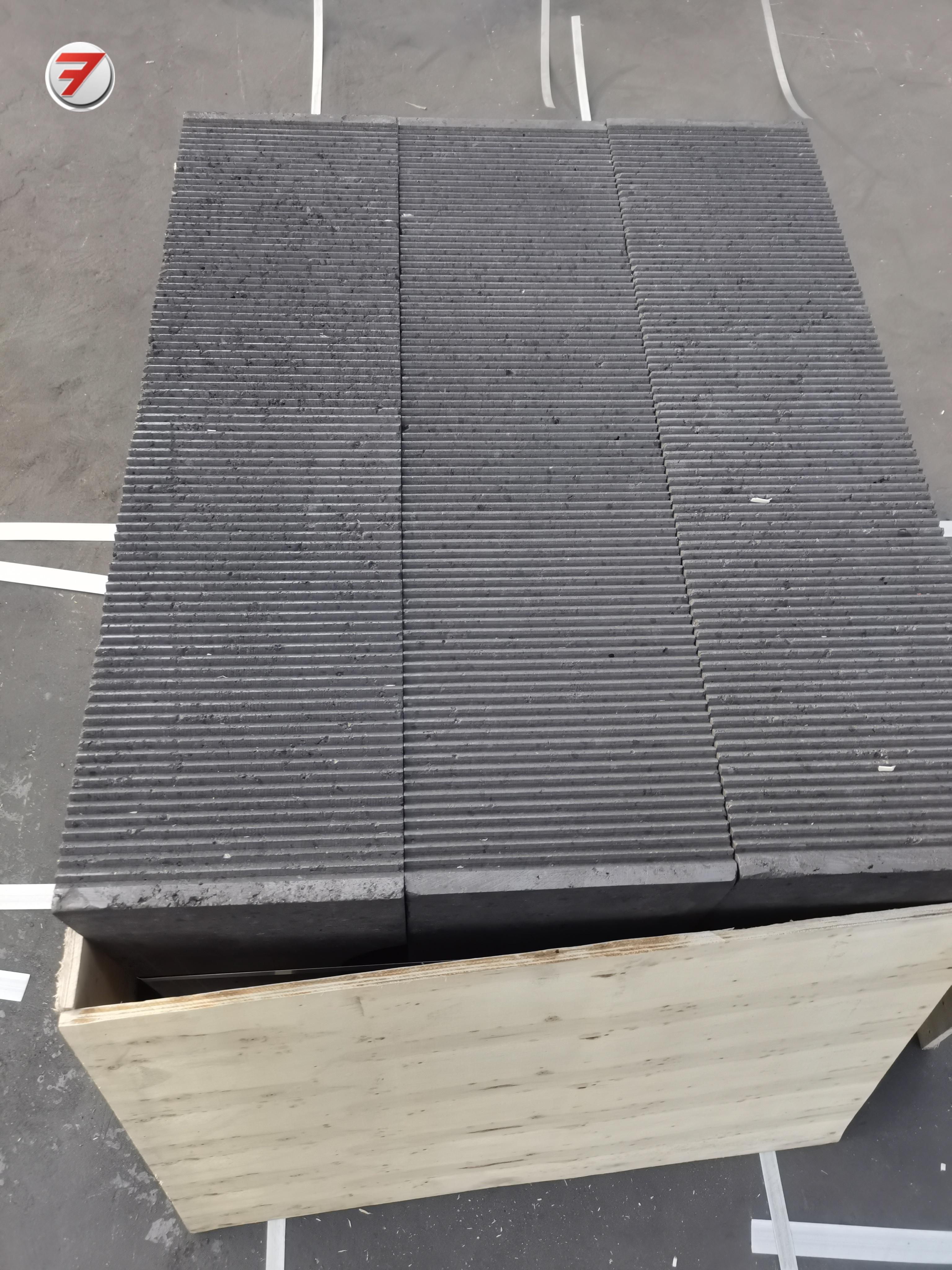
Isostatic graphite is a highly valuable material in the field of metallurgy and energy, particularly known for its unique properties that make it suitable for a broad range of applications. It is produced through a process that involves isostatic pressing, which ensures uniform density and consistency throughout the material. This process involves applying equal pressure in all directions, resulting in a homogenous structure that enhances its mechanical strength and thermal conductivity.
One of the most notable characteristics of isostatic graphite is its exceptional thermal stability. With a high resistance to thermal shock, it can withstand extreme temperatures without deforming or losing its structural integrity. This makes it an ideal choice for applications such as refractory liners in furnaces, where high-temperature performance is crucial. Moreover, its low thermal expansion coefficient helps in minimizing thermal stress, making it a reliable material in environments where temperature fluctuations are common.
In addition to thermal stability, isostatic graphite exhibits excellent electrical conductivity. This property is particularly beneficial in applications requiring efficient heat dissipation or electrical conduction, such as electrodes in electric arc furnaces and other metallurgical processes. The ability to conduct electricity while maintaining mechanical strength makes isostatic graphite a preferred choice for various electrical and thermal applications in the metalworking industry.
Furthermore, isostatic graphite is known for its outstanding lubricating properties. It is often used in the manufacturing of lubricants and coatings, providing a low-friction surface that enhances the efficiency of machinery. This characteristic also contributes to its use in the production of bearings and other components that require smooth operation under high pressure.
The versatility of isostatic graphite extends beyond metallurgy. In the energy sector, it plays a crucial role in producing components for nuclear reactors and other energy generation systems. Its radiation resistance and thermal performance are essential for applications where safety and reliability are paramount.
In conclusion, isostatic graphite is a fundamental material in the fields of metallurgy and energy, thanks to its unique properties, including thermal stability, electrical conductivity, and lubrication capabilities. Understanding the advantages of isostatic graphite can help industries optimize their processes and improve the performance of their products. As the demand for advanced materials continues to grow, isostatic graphite stands out as a key player in ensuring efficiency and durability across various applications.
One of the most notable characteristics of isostatic graphite is its exceptional thermal stability. With a high resistance to thermal shock, it can withstand extreme temperatures without deforming or losing its structural integrity. This makes it an ideal choice for applications such as refractory liners in furnaces, where high-temperature performance is crucial. Moreover, its low thermal expansion coefficient helps in minimizing thermal stress, making it a reliable material in environments where temperature fluctuations are common.
In addition to thermal stability, isostatic graphite exhibits excellent electrical conductivity. This property is particularly beneficial in applications requiring efficient heat dissipation or electrical conduction, such as electrodes in electric arc furnaces and other metallurgical processes. The ability to conduct electricity while maintaining mechanical strength makes isostatic graphite a preferred choice for various electrical and thermal applications in the metalworking industry.
Furthermore, isostatic graphite is known for its outstanding lubricating properties. It is often used in the manufacturing of lubricants and coatings, providing a low-friction surface that enhances the efficiency of machinery. This characteristic also contributes to its use in the production of bearings and other components that require smooth operation under high pressure.
The versatility of isostatic graphite extends beyond metallurgy. In the energy sector, it plays a crucial role in producing components for nuclear reactors and other energy generation systems. Its radiation resistance and thermal performance are essential for applications where safety and reliability are paramount.
In conclusion, isostatic graphite is a fundamental material in the fields of metallurgy and energy, thanks to its unique properties, including thermal stability, electrical conductivity, and lubrication capabilities. Understanding the advantages of isostatic graphite can help industries optimize their processes and improve the performance of their products. As the demand for advanced materials continues to grow, isostatic graphite stands out as a key player in ensuring efficiency and durability across various applications.
Contact Us
E-mail:
Phone/WhatsApp:
+86 15711363051
Address:
Xingchuang International C912, Xinya Street No.15, Daxing District, Beijing, China



Contact
TEL: +8615711363051
EMAIL: sales@topflymaterial.com
ADD: Xingchuang International C912, Xinya Street No.15, Daxing District, Beijing, China