
Choosing the Right RP Graphite Electrode for Your Industrial Needs
Apr 21,2026
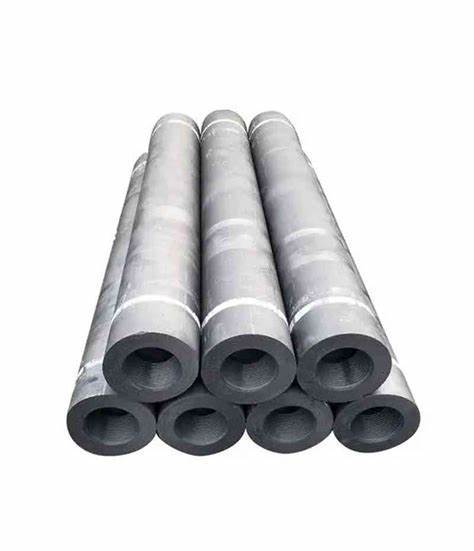
Choosing the Right RP Graphite Electrode for Your Industrial Needs
In the world of metallurgy and energy production, the choice of materials can significantly impact efficiency, quality, and operational costs. One of the most critical components in various industries is the RP (Regular Power) graphite electrode. This article provides a detailed examination of how to choose the right RP graphite electrode tailored to your industrial needs.
Understanding RP Graphite Electrodes and Their Applications
RP graphite electrodes are integral to electric arc furnaces (EAFs) and other industrial processes that require high conductivity and durability. These electrodes are primarily used in steel manufacturing, aluminum production, and various non-ferrous metallurgical processes. Their ability to withstand extreme temperatures and electrical currents makes them indispensable in the modern industrial landscape.
What Are RP Graphite Electrodes?
RP graphite electrodes are made from petroleum coke, pitch coke, and other raw materials. During production, these materials undergo high temperatures to ensure that the resulting electrodes possess the desired electrical conductivity, mechanical strength, and thermal resistance.
Key Benefits of Using RP Graphite Electrodes
1. **High Conductivity:** RP graphite electrodes are known for their superior electrical conductivity, facilitating efficient energy transfer.
2. **Thermal Stability:** These electrodes maintain their structure and performance under extreme temperatures, making them suitable for high-temperature applications.
3. **Cost-Effectiveness:** Compared to other electrode materials, RP graphite electrodes offer a balance of performance and affordability, making them a popular choice in industrial processes.
Factors to Consider When Choosing RP Graphite Electrodes
Selecting the right RP graphite electrode is crucial for optimizing your industrial operations. Here are the key factors to consider:
1. Application Requirements
Different applications demand varying electrode characteristics. Understanding your specific needs—including the type of furnace, the materials being processed, and the operational conditions—will guide you in selecting the appropriate electrode.
High-Temperature Applications
For processes requiring higher temperatures, it is essential to choose electrodes with high thermal resistance and stability. Ensure the electrodes can withstand the operational environment without degradation.
Electrode Diameter
The diameter of the electrode can influence performance. Larger diameters can handle higher currents, while smaller diameters may be more suitable for precision applications. Assess your operational needs to determine the ideal diameter.
2. Quality Standards
Quality is paramount in electrode selection. Look for manufacturers that adhere to international quality standards. This ensures that the electrodes you choose are reliable and will perform consistently under operational stresses.
3. Manufacturer Reputation
Consider the reputation of the manufacturer. Established companies tend to have more rigorous quality control processes and better customer support. Research customer reviews and case studies to gauge the reliability of various brands.
4. Cost Considerations
While it's tempting to opt for the least expensive option, consider the long-term costs associated with inferior products. Investing in quality RP graphite electrodes can lead to lower operational costs due to reduced downtimes and higher efficiency.
5. Sourcing and Availability
Ensure that the electrodes you choose are readily available and can be sourced consistently. Disruption in supply can lead to operational delays, affecting overall productivity.
Types of RP Graphite Electrodes
Understanding the different types of RP graphite electrodes can further assist in making an informed choice. Here are the primary types:
1. Regular Power (RP) Graphite Electrodes
Regular power graphite electrodes are designed for standard applications. They provide a good balance between cost and performance, making them suitable for various industrial processes.
2. High Power (HP) Graphite Electrodes
High power graphite electrodes are engineered for applications requiring higher current capacities. They offer improved thermal conductivity and are suited for more demanding environments.
3. Ultra High Power (UHP) Graphite Electrodes
For the most demanding applications, ultra high power graphite electrodes provide superior performance at extreme temperatures and currents. They are ideal for specialized processes that require exceptional durability and conductivity.
Performance Metrics for RP Graphite Electrodes
When evaluating RP graphite electrodes, consider the following performance metrics:
1. Electrical Conductivity
High electrical conductivity minimizes energy losses, making it a critical factor in electrode selection. Look for electrodes that demonstrate consistent conductivity levels under varying operational conditions.
2. Mechanical Strength
The mechanical strength of the electrodes affects their ability to withstand the stresses of operation. Ensure that the electrodes you select have adequate tensile strength and resistance to breakage during handling and use.
3. Thermal Expansion
Understanding the thermal expansion characteristics of RP graphite electrodes is essential. Choose electrodes with low thermal expansion coefficients to minimize deformation during high-temperature operations.
Installation and Maintenance Tips for RP Graphite Electrodes
Successful integration of RP graphite electrodes into your processes requires careful installation and maintenance. Here are essential tips:
1. Proper Handling
Graphite electrodes can be brittle and prone to breakage if not handled correctly. Utilize appropriate tools and techniques during transport and installation to prevent damage.
2. Regular Inspections
Conduct routine inspections of the electrodes for signs of wear or degradation. Early detection of issues can prevent costly downtimes and enhance overall operational efficiency.
3. Optimization of Operating Conditions
Fine-tune operating conditions such as current and temperature to optimize the performance of RP graphite electrodes. Regular monitoring will help identify the optimal settings for your specific applications.
Conclusion
Choosing the right RP graphite electrode for your industrial needs is a multifaceted decision that involves understanding your application requirements, evaluating different types of electrodes, and considering performance metrics. By focusing on quality, manufacturer reputation, and maintenance practices, you can ensure that your operations run smoothly and efficiently. The right choice will not only enhance productivity but also contribute to significant cost savings in the long run.
FAQs
1. What is the difference between RP and HP graphite electrodes?
RP graphite electrodes are designed for standard applications, while HP graphite electrodes are engineered for higher current capacities and more demanding environments.
2. How do I determine the appropriate diameter of RP graphite electrodes?
The appropriate diameter depends on your application’s current requirements and the precision needed for the process. Assessing the operational environment will guide your decision.
3. Why is electrical conductivity crucial in RP graphite electrodes?
Electrical conductivity is critical as it directly impacts the efficiency of energy transfer during industrial processes, affecting overall performance and operational costs.
4. What are the maintenance requirements for RP graphite electrodes?
Regular inspections and proper handling are essential for maintaining RP graphite electrodes. Monitor for signs of wear and optimize operating conditions to extend their lifespan.
5. Where can I find reliable suppliers of RP graphite electrodes?
Look for established manufacturers with positive customer reviews and adherence to international quality standards. A strong reputation often correlates with product reliability.
Contact Us
E-mail:
Phone/WhatsApp:
+86 15711363051
Address:
Xingchuang International C912, Xinya Street No.15, Daxing District, Beijing, China



Contact
TEL: +8615711363051
EMAIL: sales@topflymaterial.com
ADD: Xingchuang International C912, Xinya Street No.15, Daxing District, Beijing, China