
Understanding Graphite Electrode: Key Insights for the Metallurgical and Energy Industries
Apr 20,2026
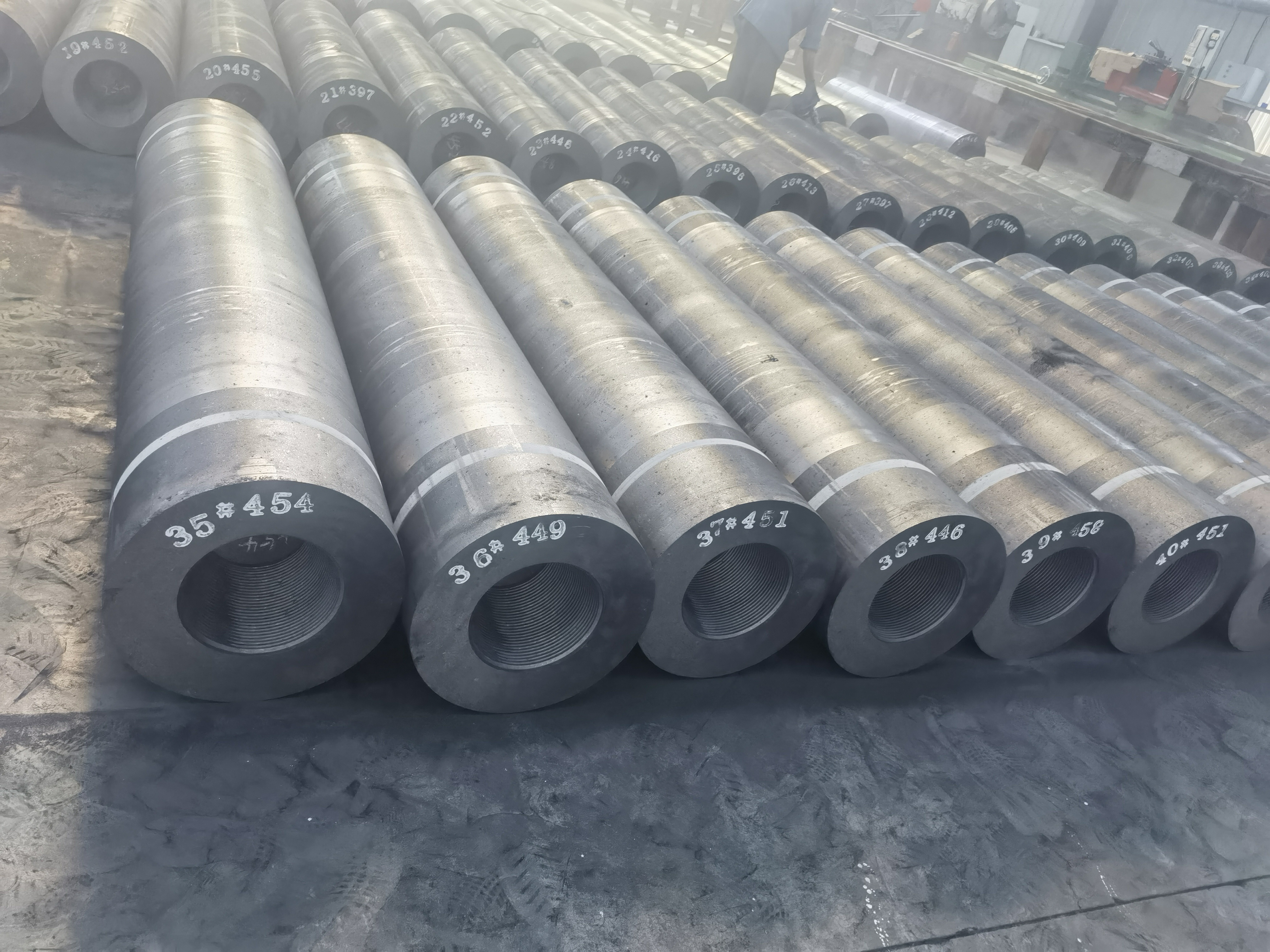
Graphite electrodes are indispensable components in various industries, particularly in metallurgy and energy production. These electrodes are primarily used in electric arc furnaces (EAF) for steelmaking, serving as conduits for electric current that melt scrap metal and produce steel. The unique properties of graphite, including its high electrical conductivity, thermal stability, and resistance to thermal shock, make it an ideal choice for these applications.
One of the key advantages of using graphite electrodes is their ability to withstand extreme temperatures, often exceeding 3000°C during the melting process. This high-temperature tolerance not only enhances the efficiency of the melting operation but also contributes to reduced energy consumption. As the global demand for steel continues to grow, the importance of graphite electrodes in facilitating optimal production processes cannot be understated.
In addition to their role in steelmaking, graphite electrodes are also utilized in the production of non-ferrous metals, such as aluminum and copper. These electrodes provide the necessary conductivity for the electrolysis process, allowing for the effective extraction and refinement of these metals. Consequently, the demand for high-quality graphite electrodes is closely linked to trends in the metallurgical sector and the overall economic landscape.
When selecting graphite electrodes, several factors should be considered to ensure optimal performance. The quality of the raw materials, including the type and purity of the carbon content, plays a crucial role in determining the electrode's overall performance. Higher-quality electrodes tend to offer better consistency and reliability, reducing the likelihood of operational failures and downtimes, which can be costly for manufacturers.
Furthermore, advancements in technology are paving the way for the development of superior graphite electrodes. Innovations such as improved manufacturing processes and the incorporation of advanced coatings are enhancing the durability and efficiency of these electrodes. Staying informed about these technological developments is essential for professionals in the metallurgical and energy industries, as they can significantly impact production costs and overall efficiency.
In conclusion, understanding the significance of graphite electrodes is vital for professionals in the metallurgy and energy sectors. By recognizing their applications, benefits, and the factors influencing their performance, one can make informed decisions that enhance operational efficiency and product quality. As the industry evolves, continuous learning and adaptation will be key to leveraging the advantages that high-quality graphite electrodes can provide.
One of the key advantages of using graphite electrodes is their ability to withstand extreme temperatures, often exceeding 3000°C during the melting process. This high-temperature tolerance not only enhances the efficiency of the melting operation but also contributes to reduced energy consumption. As the global demand for steel continues to grow, the importance of graphite electrodes in facilitating optimal production processes cannot be understated.
In addition to their role in steelmaking, graphite electrodes are also utilized in the production of non-ferrous metals, such as aluminum and copper. These electrodes provide the necessary conductivity for the electrolysis process, allowing for the effective extraction and refinement of these metals. Consequently, the demand for high-quality graphite electrodes is closely linked to trends in the metallurgical sector and the overall economic landscape.
When selecting graphite electrodes, several factors should be considered to ensure optimal performance. The quality of the raw materials, including the type and purity of the carbon content, plays a crucial role in determining the electrode's overall performance. Higher-quality electrodes tend to offer better consistency and reliability, reducing the likelihood of operational failures and downtimes, which can be costly for manufacturers.
Furthermore, advancements in technology are paving the way for the development of superior graphite electrodes. Innovations such as improved manufacturing processes and the incorporation of advanced coatings are enhancing the durability and efficiency of these electrodes. Staying informed about these technological developments is essential for professionals in the metallurgical and energy industries, as they can significantly impact production costs and overall efficiency.
In conclusion, understanding the significance of graphite electrodes is vital for professionals in the metallurgy and energy sectors. By recognizing their applications, benefits, and the factors influencing their performance, one can make informed decisions that enhance operational efficiency and product quality. As the industry evolves, continuous learning and adaptation will be key to leveraging the advantages that high-quality graphite electrodes can provide.
Contact Us
E-mail:
Phone/WhatsApp:
+86 15711363051
Address:
Xingchuang International C912, Xinya Street No.15, Daxing District, Beijing, China



Contact
TEL: +8615711363051
EMAIL: sales@topflymaterial.com
ADD: Xingchuang International C912, Xinya Street No.15, Daxing District, Beijing, China